
Audio Engineer vs Sound Engineer Explained
Audio Engineer vs Sound Engineer Explained

Content
Content
When you're browsing job boards or researching audio careers, you'll see both "audio engineer" and "sound engineer" pop up constantly. Sometimes they describe identical roles. Other times they don't. The truth? These titles overlap so much that even hiring managers use them interchangeably—but there are meaningful distinctions that matter when you're choosing a career path or hiring for a project. Understanding the difference between audio and sound engineers helps you navigate the industry with clarity and find the work environment that fits your skills and personality.
Are Audio Engineers and Sound Engineers the Same?
Short answer: mostly yes, but context matters.
In many companies and studios, "audio engineer" and "sound engineer" describe the exact same job. Both professionals work with sound equipment, mix audio, and solve technical problems related to recording or playback. The terms are often used interchangeably in job postings, credits, and casual conversation.
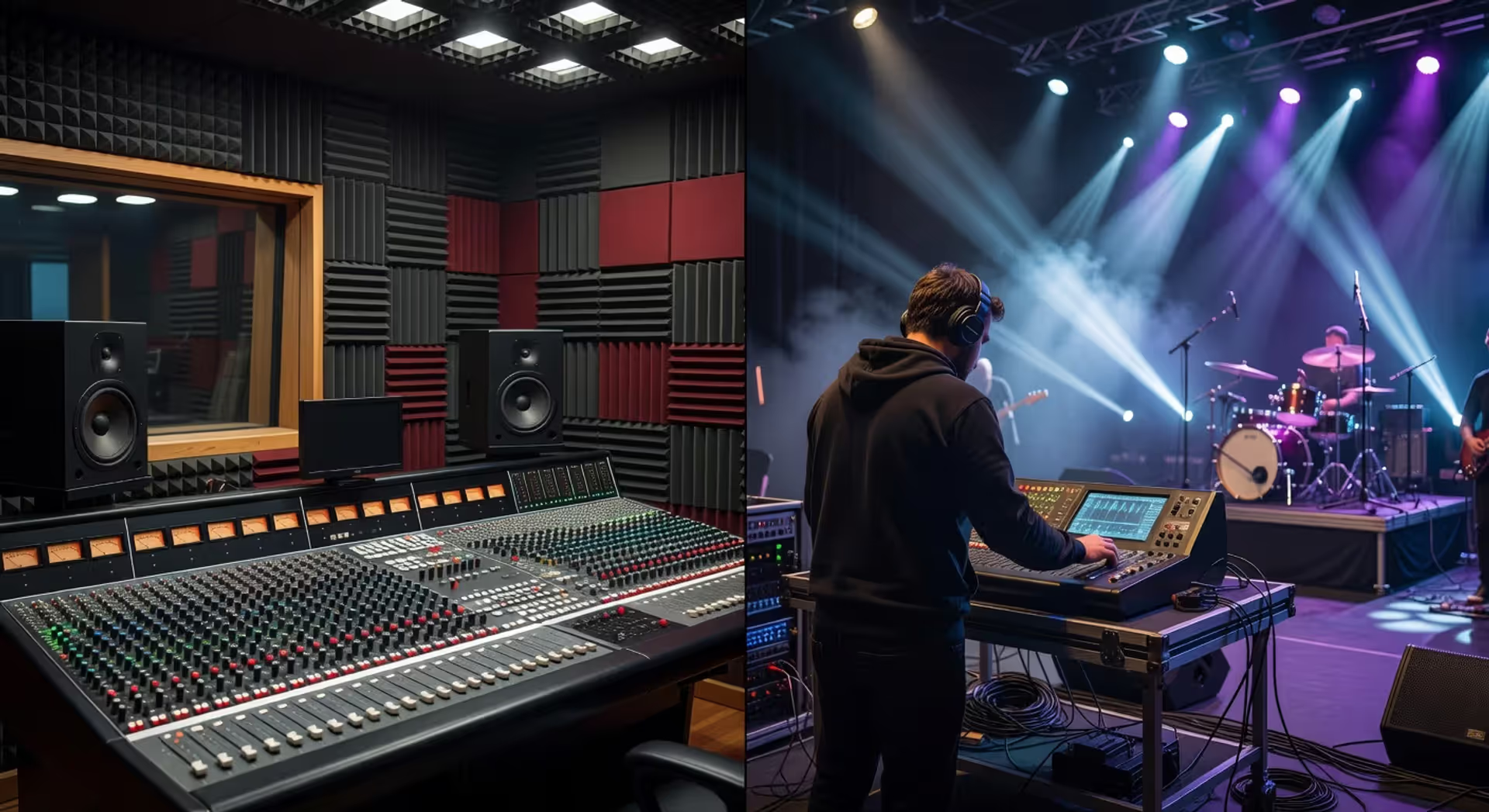
But here's where it gets interesting. When professionals do distinguish between the two, "audio engineer" typically leans toward studio work, post-production, and recorded media. "Sound engineer" more often refers to live sound reinforcement—concerts, theater, events, broadcast.
Regional differences play a role too. In the UK and Europe, "sound engineer" is the more common umbrella term. In the US, "audio engineer" has gained ground, especially in recording and music production contexts. Some professionals insist there's no real difference and that the industry created artificial distinctions over time.
The pattern I see most often is this: if someone works primarily in a recording studio or post-production facility, they call themselves an audio engineer. If they're running front-of-house at concerts or mixing live broadcasts, sound engineer is more common.
What Does an Audio Engineer Do?
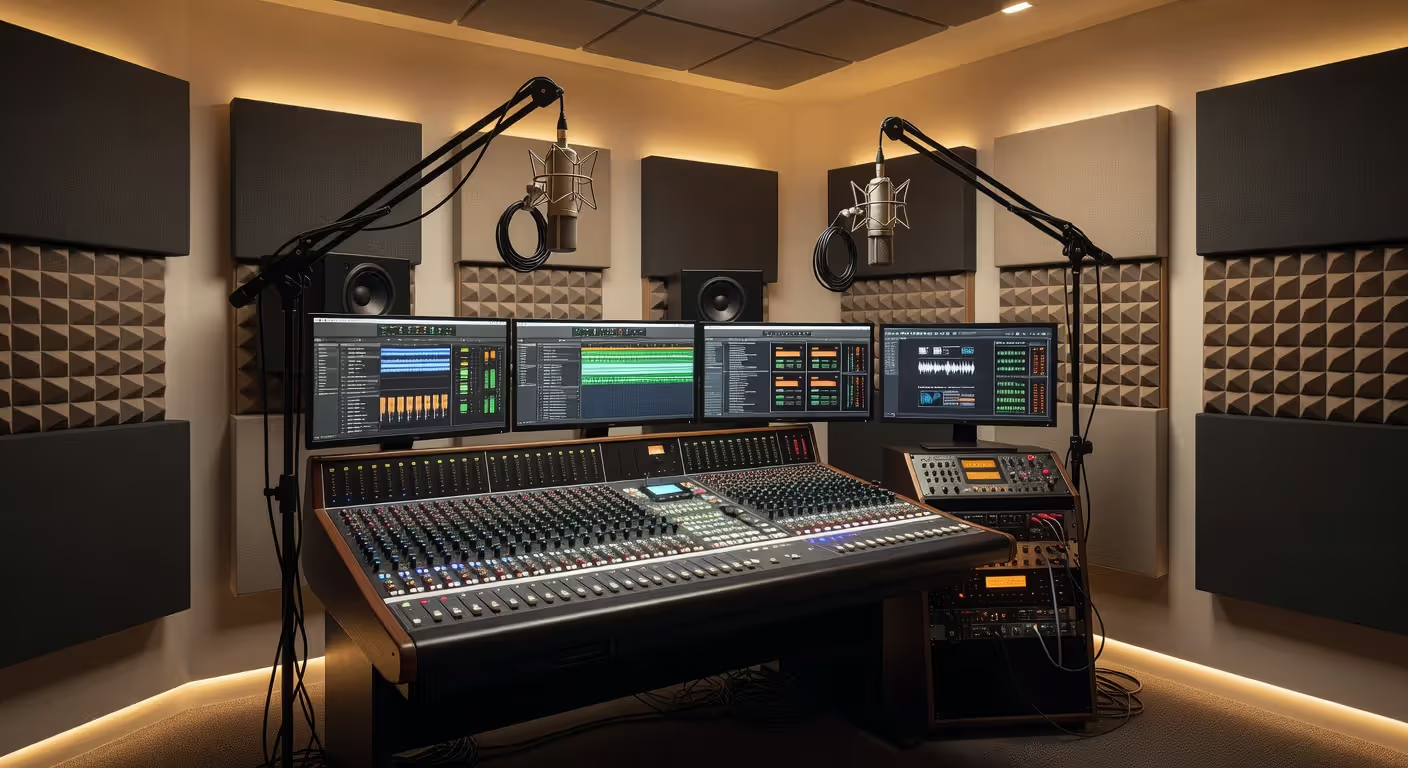
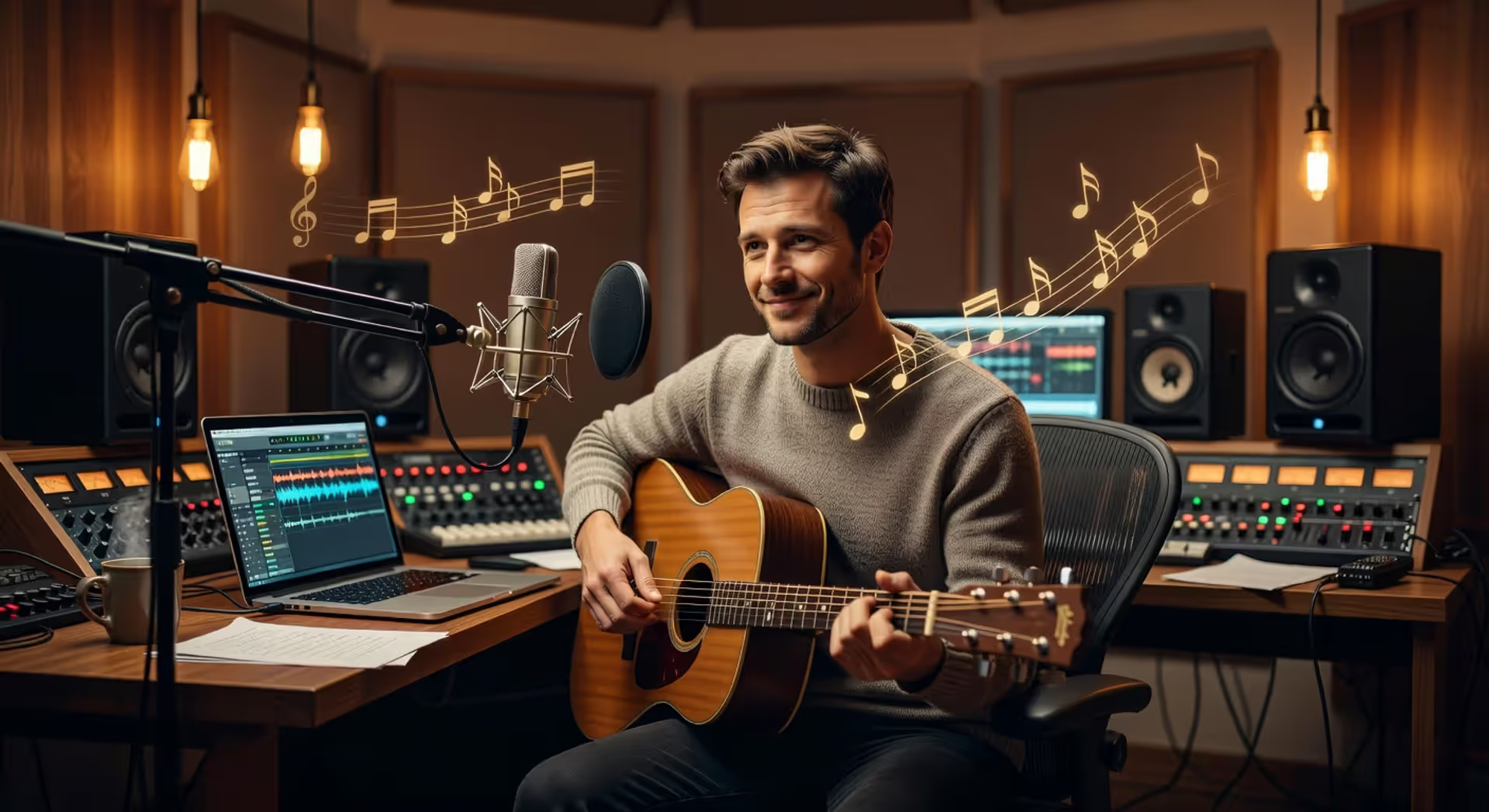
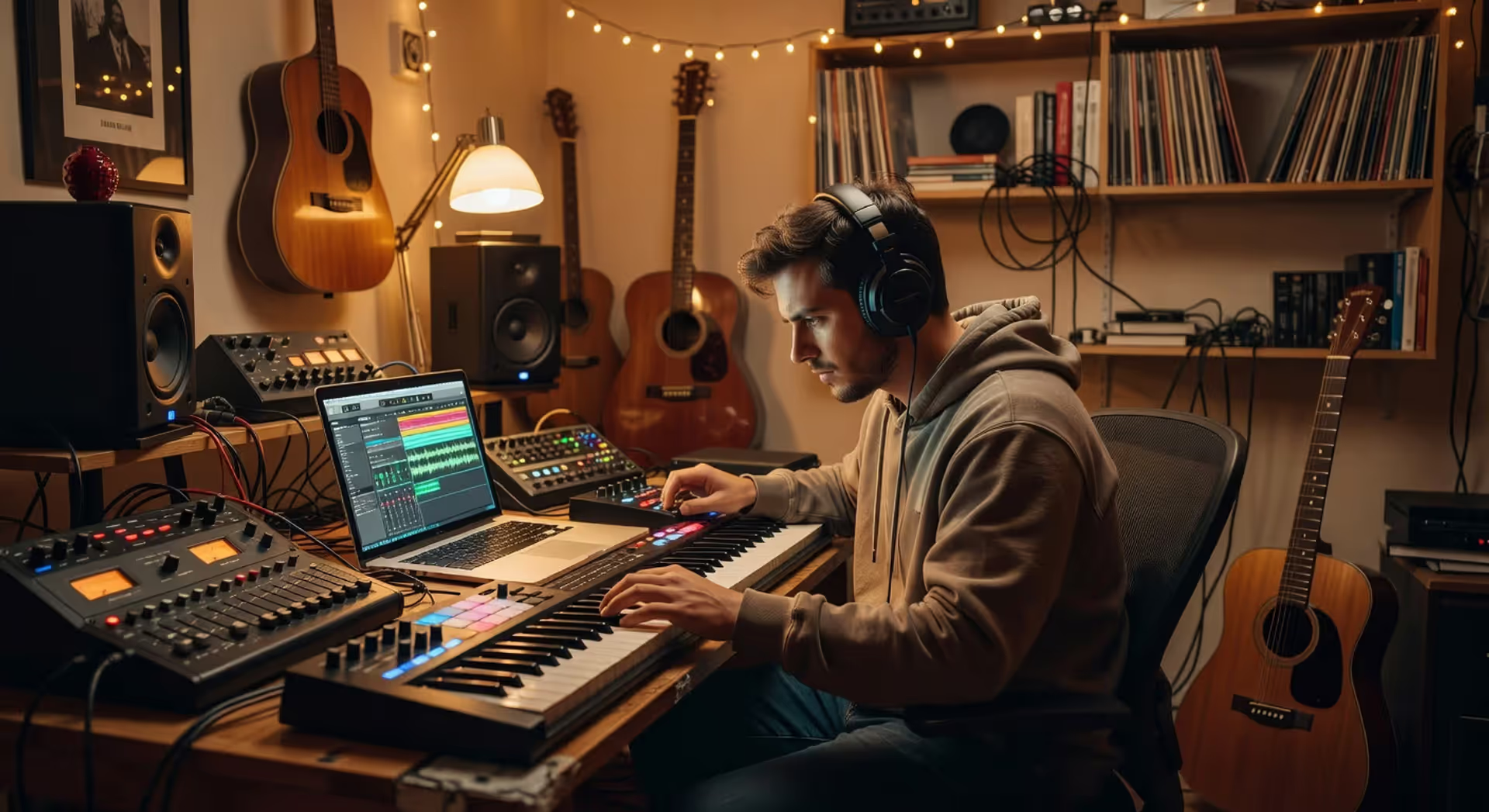
Audio engineers focus on capturing, manipulating, and perfecting recorded sound. Their workspace is usually a controlled environment—a recording studio, post-production suite, or home studio setup.
Daily audio engineering responsibilities include setting up microphones, operating mixing consoles, editing recorded tracks, applying effects and processing, and ensuring technical quality throughout the recording chain. They work closely with producers, musicians, voice actors, and directors to achieve specific sonic goals.
A typical studio session might involve mic placement for a drum kit, gain staging through a preamp and interface, real-time monitoring during takes, comping together the best performances, and preliminary mixing. Audio engineers need deep knowledge of acoustics, signal flow, DAW software, and how different microphones and preamps color sound.
Post-production audio engineers handle dialogue editing for film and TV, sound design for games, podcast editing, audiobook mastering, and music mixing. They often work on longer timelines with opportunities for revision and refinement.
The work environment is usually quieter and more predictable than live settings. Deadlines exist, but they're rarely measured in seconds. You can stop, rewind, and fix problems. That luxury defines the audio engineering workflow.
Author: Miles Arbordale;
Source: lamat-records.com
What Does a Sound Engineer Do?
Sound engineers thrive in real-time environments where there's no second take. Their primary domain is live sound reinforcement—making sure audiences hear performances clearly and powerfully, whether it's a 200-person club or a 20,000-seat arena.
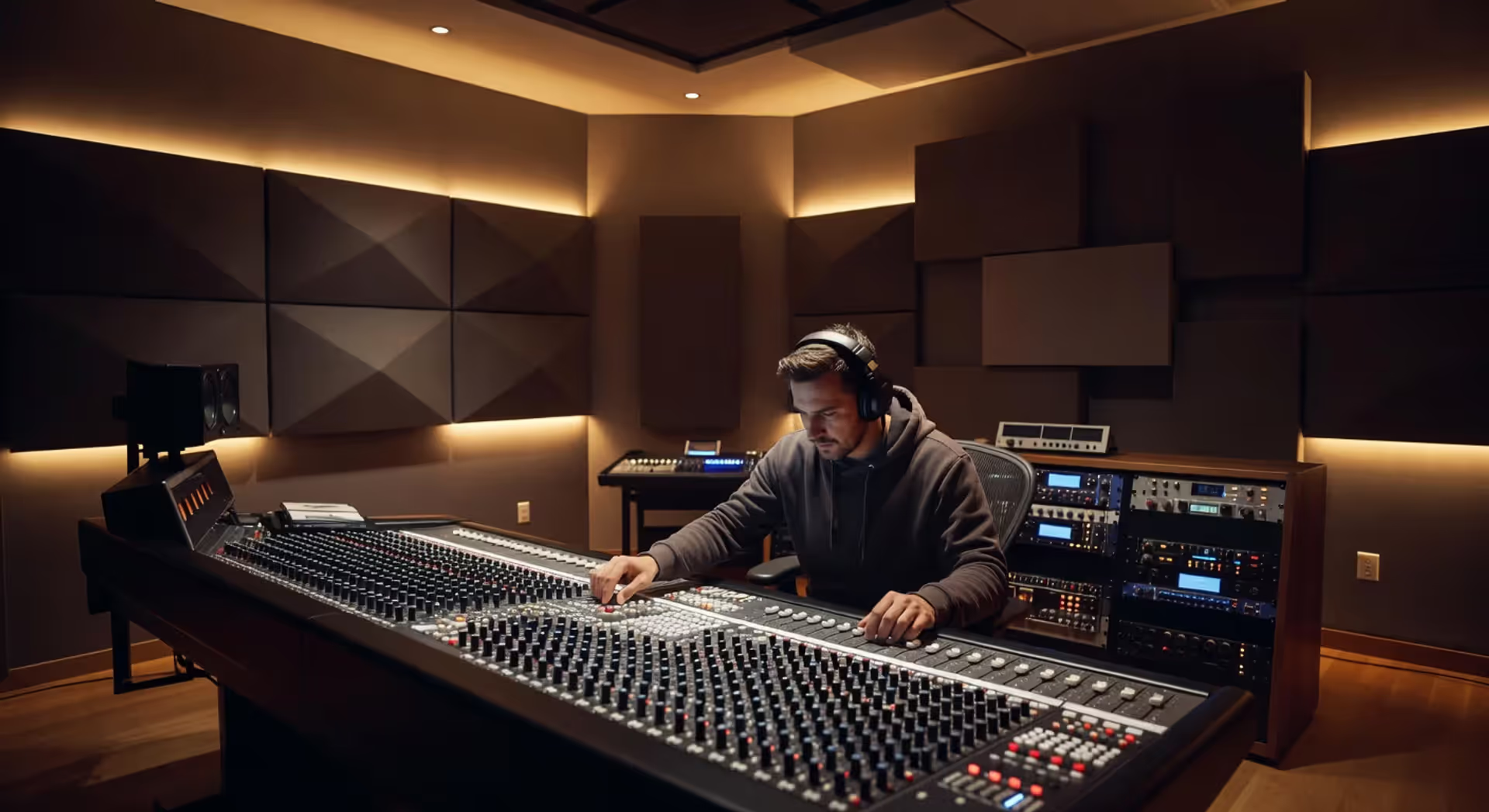
Core sound engineering duties include setting up PA systems, running cables, positioning stage monitors, soundchecking bands or speakers, mixing live performances from a front-of-house console, and troubleshooting equipment failures on the fly. The work is physical, time-sensitive, and often happens in challenging acoustic environments.
A live sound engineer might arrive at a venue six hours before showtime to load in gear, place speakers for optimal coverage, ring out monitors to prevent feedback, and work through a line-by-line soundcheck with the band. During the show, they're riding faders, adjusting EQ in real time, and responding instantly to what's happening on stage.
Many sound engineers specialize further. FOH (front-of-house) engineers mix what the audience hears. Monitor engineers create custom mixes for each performer on stage. System techs design and tune the PA itself. Broadcast sound engineers handle audio for live TV, sports, and streaming events.
The pressure is different from studio work. You can't fix it in post. When a wireless mic cuts out or feedback starts screaming through the PA, you have seconds to solve it. That immediate problem-solving is what many sound engineers love most about the job.
Key Differences Between Audio and Sound Engineering Roles
While comparing engineering roles, the distinctions become clearer when you look at day-to-day realities rather than job titles. Here's a detailed breakdown:
| Factor | Audio Engineer | Sound Engineer |
| Work Environment | Recording studios, post-production facilities, home studios | Concert venues, theaters, festivals, broadcast trucks, corporate events |
| Primary Equipment | DAW software (Pro Tools, Logic, Ableton), studio monitors, audio interfaces, microphones, outboard processors | Mixing consoles (analog/digital), PA systems, wireless systems, stage monitors, DI boxes, snake cables |
| Typical Projects | Album recording, podcast production, film dialogue editing, game audio, mastering | Live concerts, theater productions, conferences, sports broadcasts, touring with bands |
| Work Schedule | More regular hours, project-based deadlines, some flexibility | Nights and weekends, load-in/load-out, travel for tours, unpredictable hours |
| Key Skills | Critical listening, DAW expertise, editing precision, patience, attention to sonic detail | Fast troubleshooting, physical stamina, interpersonal skills, quick decision-making, stress management |
| Average Salary Range (US, 2026) | $45,000–$85,000 (varies widely by experience and market) | $40,000–$80,000 (touring engineers often earn more) |
This comparison reveals that the difference between audio and sound engineers often comes down to environment and workflow rather than fundamental technical knowledge. Both need strong ears, signal flow understanding, and problem-solving skills. But the application differs dramatically.
Author: Miles Arbordale;
Source: lamat-records.com
Studio Engineers vs Live Sound Engineers
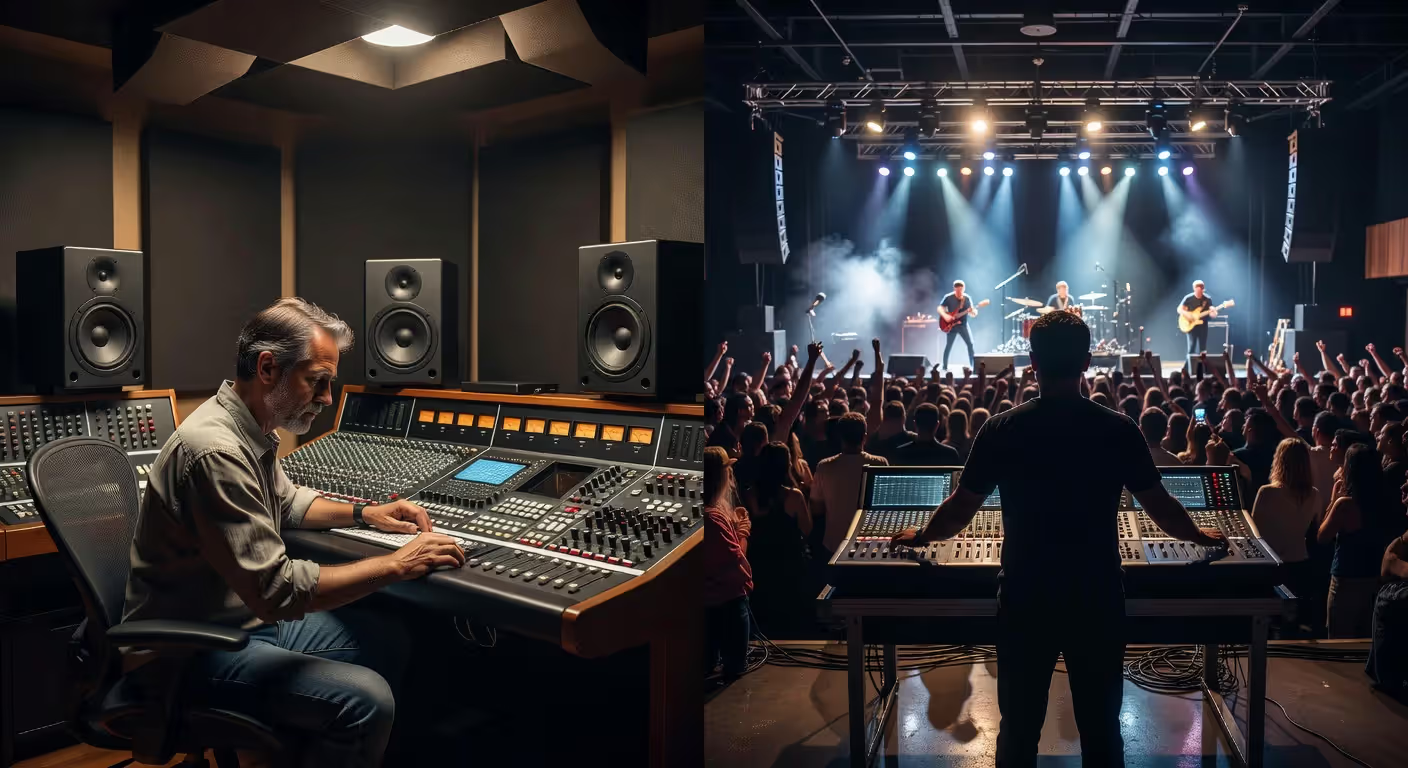
The studio versus live engineers divide represents the clearest career distinction in audio work.
Studio engineers work in controlled acoustic environments where they can take time to get things right. They might spend an hour finding the perfect snare drum sound or three days mixing a single song. The goal is perfection within the context of the project's budget and timeline.
Live sound engineers work in acoustic chaos. Every venue sounds different. Weather affects outdoor shows. Equipment fails. Performers make last-minute changes. The job demands adaptability and confidence under pressure.
Workflow differences are stark. A studio engineer might record a guitar part, comp together the best takes, tune a few notes, add processing, and revisit the mix three times before finalizing. A live engineer sets levels during soundcheck, makes adjustments during the first song, and commits to their mix in real time with no undo button.
Client interaction varies too. Studio engineers often work with the same artists over multiple sessions, building relationships and trust. Live engineers might work with a different act every night, requiring quick communication and the ability to understand what someone wants from minimal description.
The pressure hits differently. Studio pressure is the slow burn of perfectionism and revision requests. Live pressure is immediate—thousands of people experiencing your mix decisions right now, with no chance to fix mistakes.
Many engineers do both. They'll record in studios during the week and mix live shows on weekends. But most gravitate toward one environment over time based on personality fit.
How Job Titles Vary Across the Industry
Engineering job titles explained: the audio industry uses dozens of specialized titles that overlap, contradict, and confuse both newcomers and veterans.
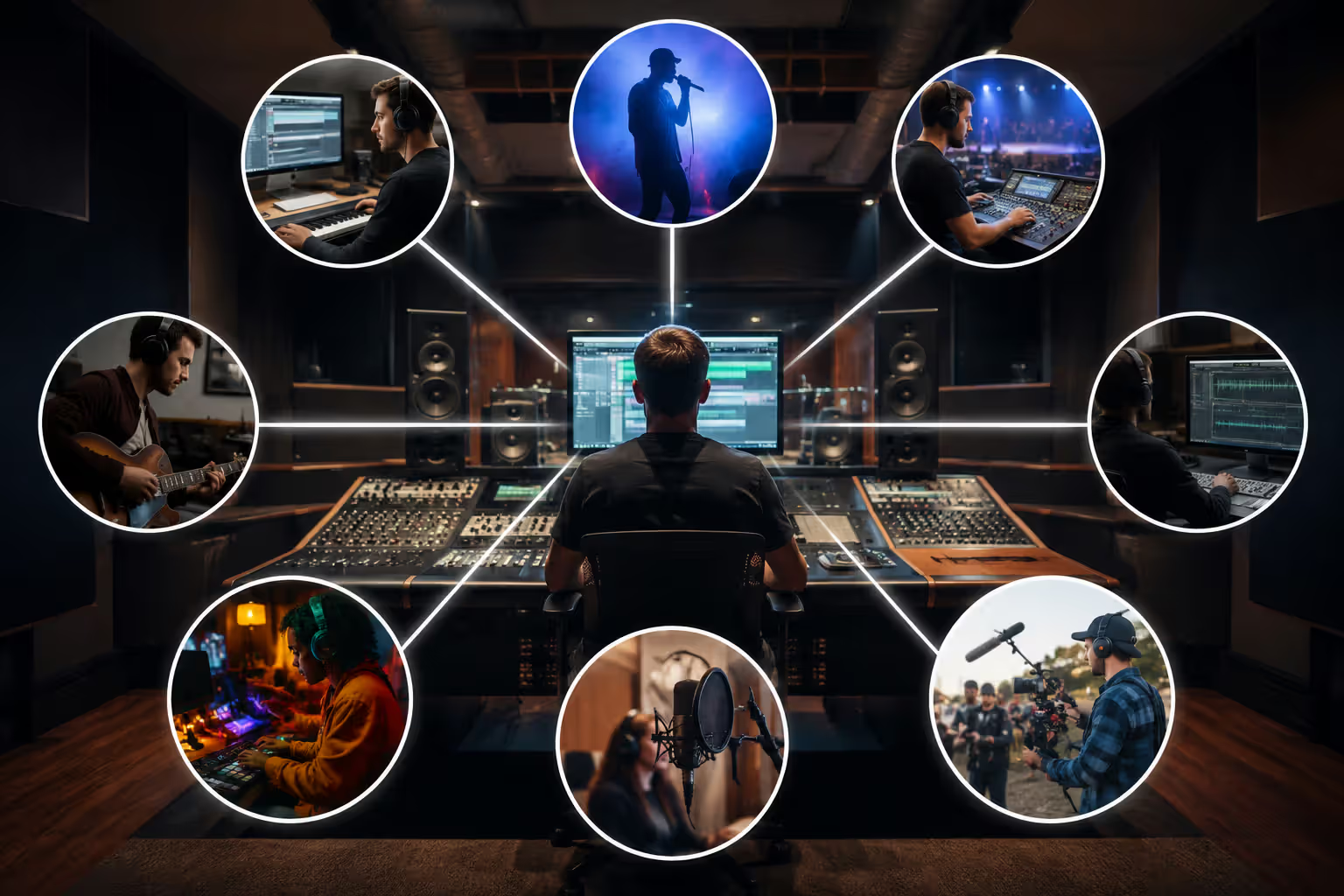
"Audio engineer" and "sound engineer" are just the beginning. You'll also encounter recording engineer, mixing engineer, mastering engineer, FOH engineer, monitor engineer, systems engineer, broadcast engineer, game audio engineer, and more.
Some titles describe specialization. A mastering engineer focuses exclusively on the final polish of recorded music. A monitor engineer only handles on-stage mixes for performers. A Dolby Atmos mixer works specifically in immersive audio formats.
Other titles reflect seniority or role scope. Chief engineer, lead audio engineer, and audio director imply management responsibilities. Assistant engineer or runner describes entry-level positions.
Companies use titles inconsistently. One studio's "recording engineer" might do the same work as another's "audio engineer" or "producer/engineer." Job responsibilities matter more than the title on the business card.
Regional variations persist. As mentioned earlier, "sound engineer" dominates in Europe and the UK across all contexts. In the US, you're more likely to see "audio engineer" for studio roles and "sound engineer" for live work, but plenty of exceptions exist.
Author: Miles Arbordale;
Source: lamat-records.com
Broadcast uses its own terminology entirely. A1 and A2 refer to audio positions on TV and film sets. RF engineer handles wireless systems. Utility sound technician covers general audio support.
The takeaway? Don't get hung up on titles when researching careers or applying for jobs. Read the actual job description to understand what the role involves.
Which Engineering Path Is Right for You?
Choosing between audio career distinctions starts with honest self-assessment.
Do you prefer working alone or in controlled environments? Studio engineering might suit you. The work rewards patience, detail orientation, and the ability to hear subtle differences in sound quality. You'll spend hours in the same room, often working independently or with small teams.
Do you thrive on variety and real-time problem-solving? Live sound engineering could be your path. It rewards quick thinking, physical energy, and the ability to stay calm when things go wrong. You'll be on your feet, in different spaces constantly, interacting with performers and crew.
Work-life balance differs significantly. Studio work can offer more regular schedules, though deadlines still create crunch periods. Live sound means nights, weekends, and travel—but you might have free weekdays when others are working.
Salary ranges overlap considerably, with top professionals in both fields earning six figures. Entry-level positions in both areas start around $30,000–$40,000 in most US markets. Mid-career engineers typically earn $50,000–$70,000. Specialization, location, and client base matter more than the studio-versus-live distinction for long-term earning potential.
Education and training requirements are similar for both paths. Many engineers have degrees in audio engineering, music production, or related fields. But practical experience matters more than credentials in most hiring decisions. Internships, assistant positions, and building a portfolio of work open more doors than any degree alone.
You don't have to choose forever. Many engineers start in one area and transition to another, or maintain parallel careers in both studio and live work. The fundamental skills transfer well.
The simpler option usually wins here: start with whichever opportunities you can access first. Get your hands on equipment, work on real projects, and let your preferences reveal themselves through experience.
The titles have always been fluid. I've been called an audio engineer, sound engineer, recording engineer, and mix engineer—sometimes all on the same project. What matters is whether you can deliver great sound under the specific conditions of the job. Studio engineers need patience and precision. Live engineers need speed and confidence. But we're all solving the same fundamental problem: making audio work for the listener.
— Thompson Mark
FAQ: Audio Engineer vs Sound Engineer Questions Answered
The audio engineer vs sound engineer debate matters less than understanding what each role actually involves day-to-day. Whether you're drawn to the controlled precision of studio work or the dynamic energy of live sound, both paths offer rewarding careers for people passionate about audio. Focus on building real skills, gaining practical experience, and finding the work environment where your strengths shine. The title on your business card will sort itself out.
Related Stories

Read more
Read more

The content on this website is provided for general informational and educational purposes only. It is intended to explain concepts related to music production, recording, mixing, mastering, music industry roles, and distribution.
All information on this website, including articles, guides, and examples, is presented for general educational purposes. Results and success in music production may vary depending on skill level, equipment, and effort.
This website does not provide professional music production services or guarantees of commercial success, and the information presented should not be used as a substitute for consultation with qualified music producers, audio engineers, or music industry professionals.
The website and its authors are not responsible for any errors or omissions, or for any outcomes resulting from decisions made based on the information provided on this website.