
Grand Auditorium Guitar vs Dreadnought Guide
Grand Auditorium Guitar vs Dreadnought Guide

Choosing between a grand auditorium and a dreadnought isn't just about looks. These two body shapes create fundamentally different playing experiences, and understanding those differences will save you from buyer's remorse. The grand auditorium guitar vs dreadnought debate comes down to how body size translates into tone, comfort, and the kind of music you want to make. Let's break down what actually matters when you're standing in a guitar shop trying to decide.
What Makes Grand Auditorium and Dreadnought Guitars Different
Dreadnoughts came first. Martin Guitar introduced the shape in 1916, naming it after British battleships because of its large, powerful build. The design prioritized volume and bass response for bluegrass and country players who needed to cut through a band mix before amplification existed.
Grand auditorium guitars appeared much later as a response to players who wanted balance over sheer power. Taylor Guitars popularized the shape in the 1990s, though the proportions existed earlier under different names. The grand auditorium sits between a concert guitar and a dreadnought—not quite as boomy, not as delicate.
The comparison matters because these shapes represent different philosophies. Dreadnoughts say "bigger is better." Grand auditoriums say "balance wins." Neither approach is wrong, but one will fit your hands, your music, and your ears better than the other.
Most acoustic shape differences come down to three factors: body volume (the air cavity inside), waist shape (how pronounced the curves are), and lower bout width (the widest part of the body). Change any of these and you change how the guitar resonates.
Body Size and Physical Dimensions Compared
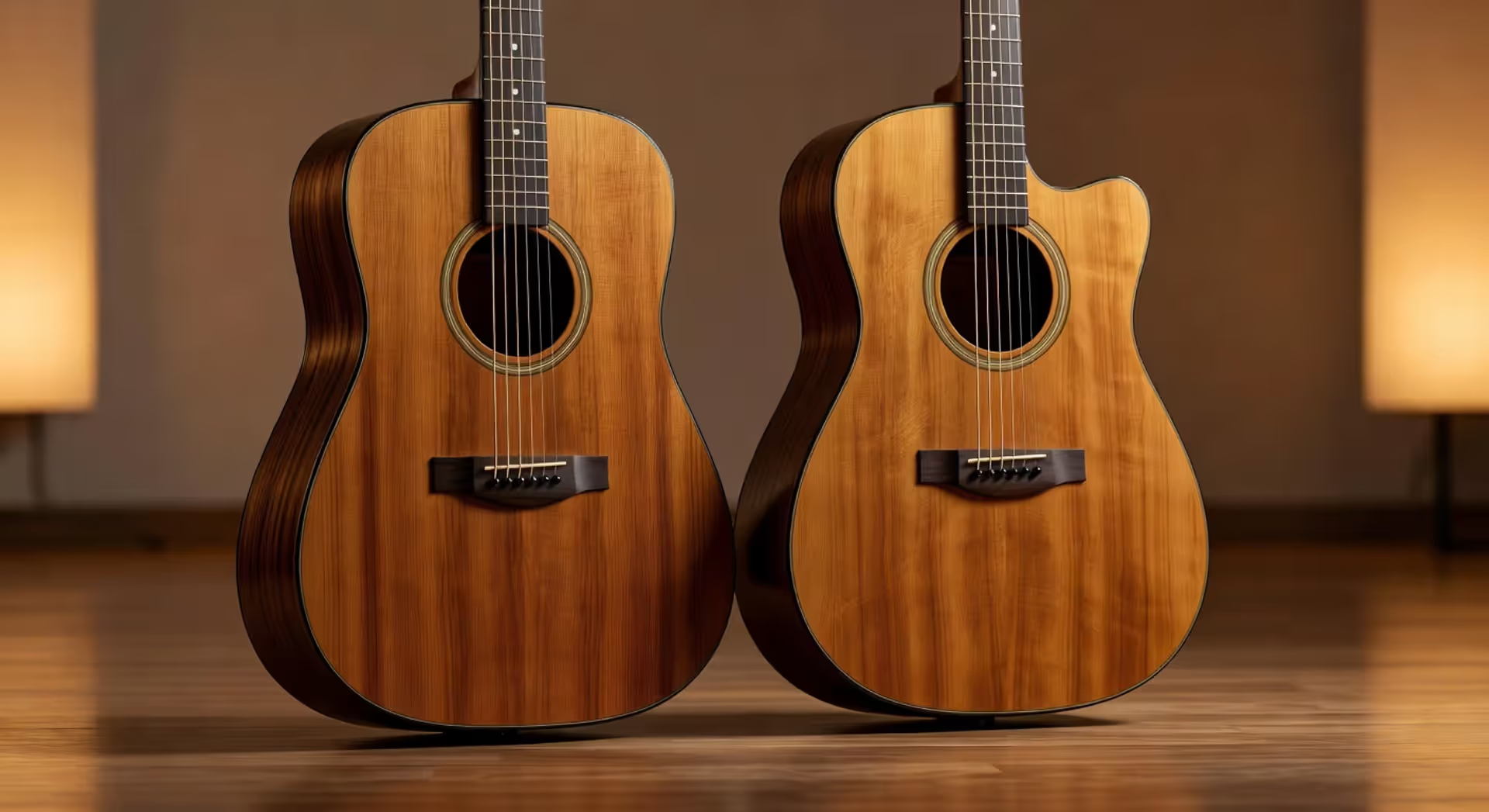
Here's where numbers tell the story. A typical dreadnought measures about 20 inches long, 15.6 inches across the lower bout, and roughly 4.9 inches deep. A grand auditorium runs about 20 inches long, 15 inches wide at the lower bout, and 4.6 inches deep.
Those differences sound small on paper. They're not small when the guitar's on your lap.
| Feature | Dreadnought | Grand Auditorium |
| Lower bout width | 15.5–16" | 15–15.25" |
| Body depth | 4.8–5" | 4.5–4.75" |
| Waist definition | Subtle, boxy | Pronounced curves |
| Tonal emphasis | Bass-forward, loud lows | Balanced, articulate mids |
| Best for | Strumming, flatpicking, bluegrass | Fingerstyle, singer-songwriter, studio work |
| Comfort (smaller players) | Can feel bulky | More ergonomic |
| Typical volume | Very loud, projects far | Moderate to loud, controlled |
The waist tells you more than measurements alone. Dreadnoughts have a shallow waist—the hourglass curve is there, but barely. This boxy shape creates a large, rigid soundboard that moves a lot of air. Grand auditoriums pinch in more at the middle, giving your strumming arm a natural resting place and creating a more flexible top that responds to lighter touches.
Author: Miles Arbordale;
Source: lamat-records.com
How Body Depth Affects Sound and Feel
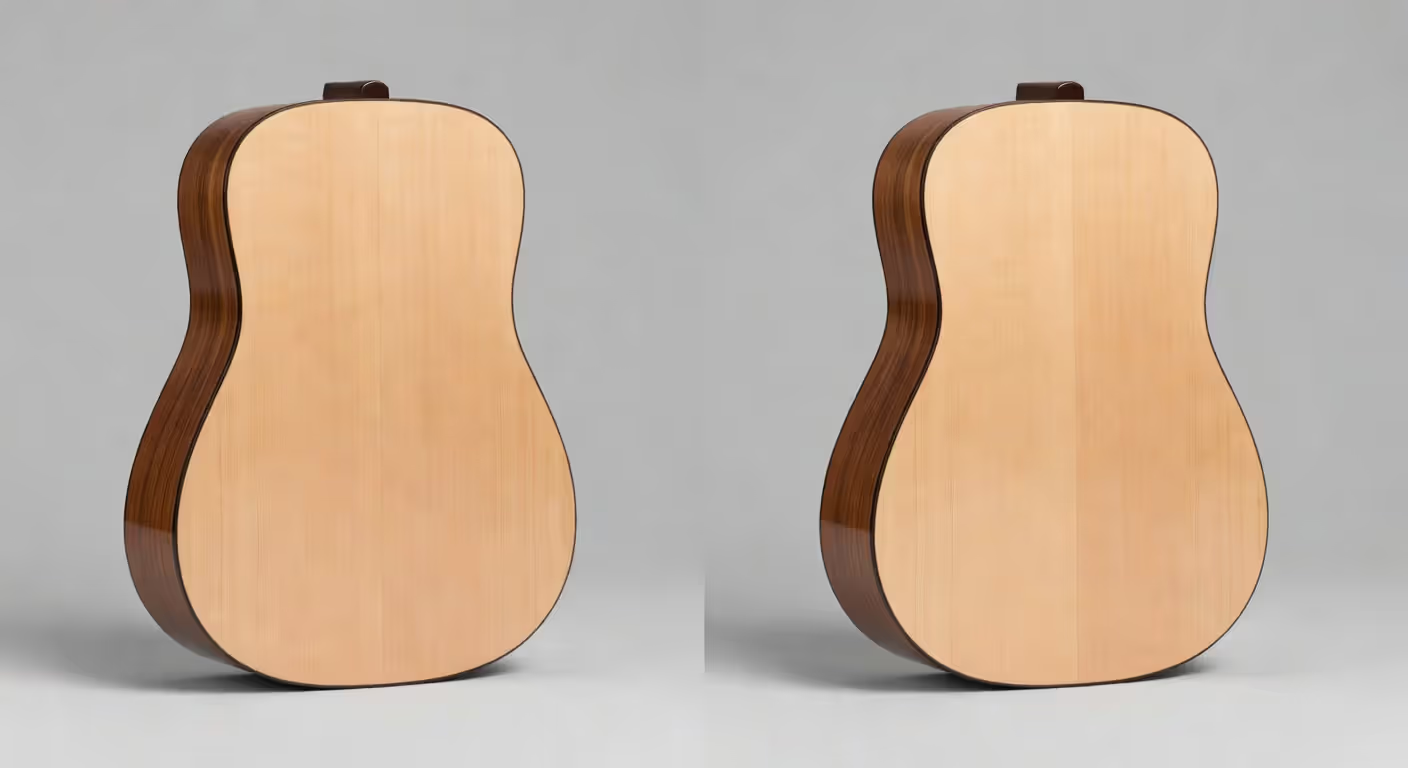
Body depth controls how much air the guitar moves with each note. A deeper body means more internal volume, which translates to more bass and more overall volume potential. Dreadnoughts use that extra quarter-inch of depth to create their signature low-end thump.
But depth also affects how the guitar sits against your body. That extra depth pushes the neck farther away from your torso, which changes your arm angle when you're reaching for the fretboard. Smaller players often find this uncomfortable during long practice sessions.
Grand auditoriums sacrifice some bass response for a slimmer profile that tucks closer to your body. The pattern I see most often is players switching to grand auditoriums after years on dreadnoughts, not because the tone is "better," but because their backs and shoulders thank them.
Waist Width and Playing Comfort
The waist is where your forearm rests when you strum. A pronounced waist (like the grand auditorium's) cradles your arm naturally. A shallow waist (dreadnought) means your arm sits higher and at a slightly different angle.
This matters more than most players realize before they buy. If you're playing three-hour gigs or long recording sessions, that forearm position compounds into fatigue. The grand auditorium's curves aren't just aesthetic—they're ergonomic.
Comparing acoustic body shapes based on comfort isn't about one being objectively better. It's about match. If you're six feet tall with long arms, a dreadnought's dimensions won't bother you. If you're 5'4" or have shorter arms, the grand auditorium will probably feel like it was made for you.
Tone and Sound Characteristics of Each Shape
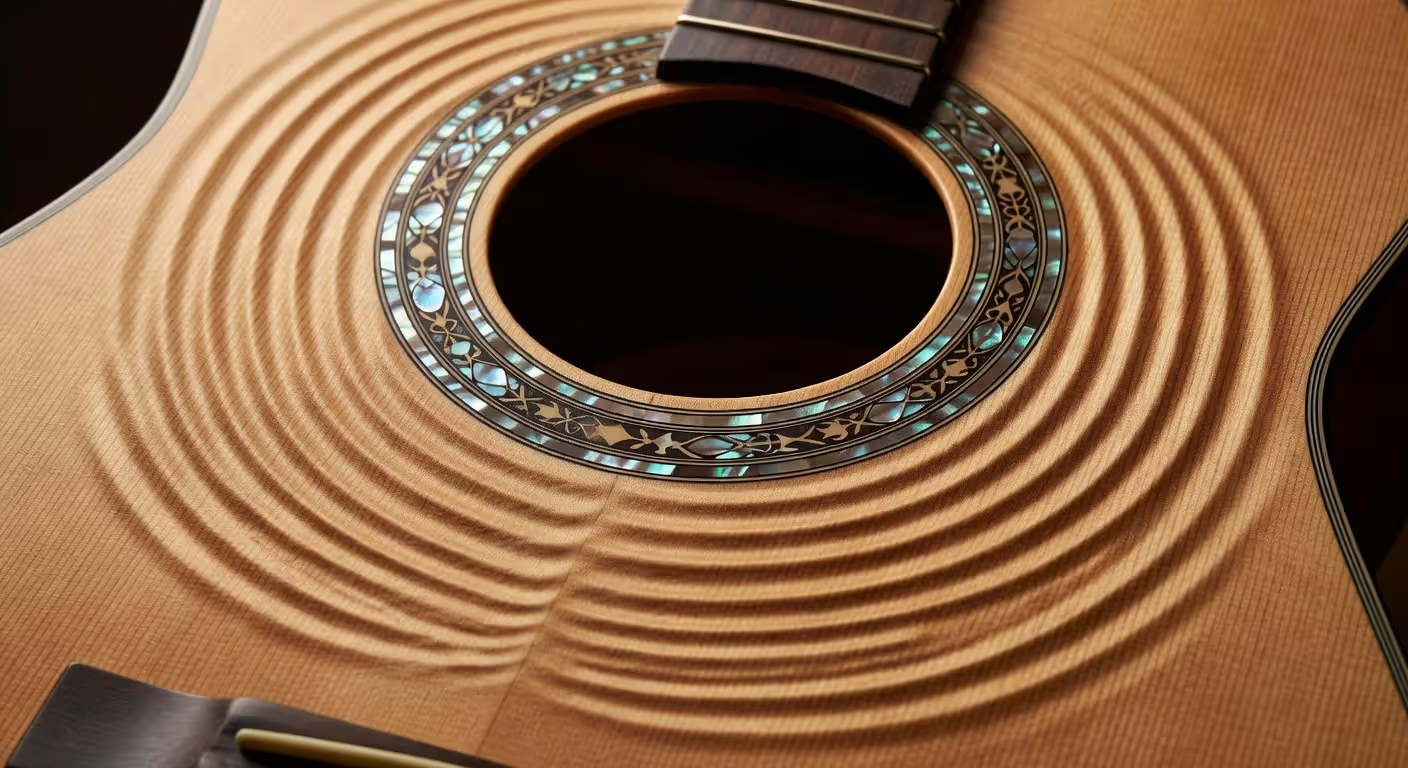
Body size and guitar sound connect through physics. Larger bodies emphasize lower frequencies. Smaller bodies emphasize mids and highs. But the relationship isn't linear—it's about how the top wood flexes and how the air inside resonates.
Dreadnought Tone Profile and Projection
Dreadnoughts are bass cannons. The large lower bout and deep body create strong fundamental notes with plenty of low-end bloom. When you hit a low E string on a dreadnought, you feel it in your chest.
Dreadnought projection is legendary for good reason. These guitars were designed to be heard in acoustic jam sessions, and they deliver. The sound carries across a room without effort. Bluegrass players love this because their rhythm playing needs to anchor the band without amplification.
But that bass emphasis comes with tradeoffs. Dreadnoughts can sound muddy if you're playing complex fingerstyle patterns with lots of notes happening simultaneously. The low frequencies pile up and mask the clarity of individual notes. And in a recording context, engineers often have to cut bass frequencies to prevent the dreadnought from overwhelming the mix.
The treble response on a dreadnought exists, but it's not the star of the show. High notes ring clearly enough for lead work, but they don't sparkle the way they do on smaller-bodied guitars.
The dreadnought's design was all about power and presence in an unamplified world. But as music changed and players wanted more tonal versatility, we needed shapes that could deliver balance without sacrificing volume. That's where the grand auditorium found its voice—it's not trying to be the loudest guitar in the room, it's trying to be the most musical.
— Taylor Bob
Grand Auditorium Tone and Balance
Grand auditoriums prioritize evenness across the frequency spectrum. Bass is present but controlled. Mids are clear and articulate. Trebles have shimmer without being brittle. This auditorium versus dreadnought tone difference shows up immediately when you play chord melodies or intricate fingerpicking.
The smaller body and tighter waist create a more responsive top. You don't need to attack the strings as hard to get the guitar singing. Light fingerstyle playing brings out nuance and detail that would get lost in a dreadnought's bass response.
Grand auditoriums also compress dynamics more naturally. Soft notes don't disappear, and loud notes don't overpower. This makes them studio favorites—they sit in a mix without constant EQ tweaking, and they respond predictably to different playing dynamics.
The tradeoff? You lose some of that chest-thumping low-end authority. If you're strumming cowboy chords at a campfire, a grand auditorium won't fill the space quite like a dreadnought does. But if you're recording a singer-songwriter track where every note needs to be heard, the grand auditorium's clarity wins.
Author: Miles Arbordale;
Source: lamat-records.com
Which Guitar Shape Fits Your Playing Style
Choosing an acoustic guitar shape starts with honest assessment of what you actually play, not what you think you might play someday.
Fingerstyle players almost always prefer grand auditoriums. The balanced tone lets each note speak clearly, and the comfortable waist makes complex fingerings less tiring. If you're playing Travis picking, classical-influenced pieces, or anything with moving bass lines and melody simultaneously, the grand auditorium's articulation helps.
Strummers and flatpickers lean toward dreadnoughts. The volume and bass response fill out rhythm parts naturally, and the aggressive projection cuts through when you're playing with other instruments. Bluegrass, folk, country, and singer-songwriter styles that rely on strong rhythm guitar benefit from what dreadnoughts do best.
But here's where it gets interesting: you can fingerpick on a dreadnought, and you can strum a grand auditorium. The shapes have tendencies, not rules. Plenty of fingerstyle players use dreadnoughts and just adjust their touch. Plenty of strummers love how grand auditoriums respond without beating the strings to death.
Genre matters less than you'd think. Yes, bluegrass tradition says dreadnought. Yes, modern indie-folk often means grand auditorium. But Tony Rice played a dreadnought for intricate bluegrass leads, and plenty of country players use grand auditoriums for rhythm work.
Recording versus live performance creates another split. Grand auditoriums are studio workhorses because their balanced frequency response requires less corrective EQ. Dreadnoughts shine in live acoustic settings where raw volume and presence matter more than recorded perfection.
One practical test: if you play sitting down more than standing, comfort becomes a bigger factor. The grand auditorium's body will feel less intrusive during long sessions. If you're mostly standing with a strap, body size matters less because the guitar isn't pressing against your torso the same way.
Common Mistakes When Choosing Between These Body Shapes
The biggest mistake? Buying based on looks alone. Dreadnoughts have that classic, iconic shape. They look like what a "real" acoustic guitar should look like. But visual appeal doesn't translate to playability or tone that fits your needs.
Another trap: assuming bigger always means better. The dreadnought's size advantage only matters if you need maximum volume and bass. If you're playing in contexts where those qualities create problems (recording, small venues, playing with other instruments), bigger becomes a liability.
Ignoring your own body size relative to the guitar creates buyer's remorse. If you're a smaller player struggling to reach around a dreadnought comfortably, you'll fight the instrument instead of playing it. The auditorium guitar comfort advantage isn't about being "easier"—it's about ergonomic fit that lets you focus on music instead of wrestling with dimensions.
Overlooking neck profile is surprisingly common. Players obsess over body shape and forget that the neck is what your hand actually touches for hours. A dreadnought with a slim neck might feel better than a grand auditorium with a chunky neck, regardless of body shape preferences. Always evaluate the whole instrument.
One mistake I see constantly: not playing both shapes for at least 20 minutes each before deciding. The first 30 seconds in a guitar shop don't tell you anything meaningful. Sit with each guitar, play your actual repertoire, and notice what starts to annoy you or what feels natural.

Author: Miles Arbordale;
Source: lamat-records.com
How Grand Auditorium Compares to Other Acoustic Shapes
The grand concert versus grand auditorium question comes up often. Grand concert guitars are smaller—typically 15 inches at the lower bout versus the grand auditorium's 15 inches. The concert shape emphasizes mids even more and reduces bass further. Think of it as the next step toward intimacy and articulation.
Orchestra Model (OM) guitars sit between grand concert and grand auditorium. The OM has similar dimensions to a grand auditorium but often features a longer scale length (25.4 inches versus 25 inches). That extra scale tension tightens up the bass and adds snap to the trebles. Some manufacturers use "OM" and "grand auditorium" interchangeably, which doesn't help clarity.
Jumbo guitars go the opposite direction from grand auditorium—they're even larger than dreadnoughts, with more pronounced curves. Jumbos deliver huge volume and bass but can sound boomy and unfocused compared to the controlled power of a dreadnought.
This small body acoustic comparison matters because the grand auditorium occupies a sweet spot. It's large enough to project adequately but small enough to maintain clarity. It's comfortable enough for small players but substantial enough that larger players don't feel like they're holding a toy.
Parlor guitars (the smallest common shape) emphasize intimacy over projection. They're wonderful for fingerstyle and recording but disappear in any group playing context. The grand auditorium gives you versatility that parlors can't match.
If you're trying to decide between a grand auditorium and these other shapes, ask yourself: do I need more bass and volume (go dreadnought or jumbo), more midrange focus and intimacy (go concert or parlor), or do I want the most versatile option that handles multiple contexts well (stay with grand auditorium)?
Frequently Asked Questions
The grand auditorium versus dreadnought choice isn't about which guitar is objectively better. It's about which one serves your music, fits your body, and inspires you to keep playing. Dreadnoughts deliver power and tradition. Grand auditoriums deliver balance and versatility. Try both extensively, play your actual repertoire on each, and trust what your ears and hands tell you. The right guitar makes itself obvious once you stop overthinking it.
Related Stories
Read more

Read more

The content on this website is provided for general informational and educational purposes only. It is intended to explain concepts related to music production, recording, mixing, mastering, music industry roles, and distribution.
All information on this website, including articles, guides, and examples, is presented for general educational purposes. Results and success in music production may vary depending on skill level, equipment, and effort.
This website does not provide professional music production services or guarantees of commercial success, and the information presented should not be used as a substitute for consultation with qualified music producers, audio engineers, or music industry professionals.
The website and its authors are not responsible for any errors or omissions, or for any outcomes resulting from decisions made based on the information provided on this website.