
Sound Engineer vs Producer: What Separates These Studio Roles
Sound Engineer vs Producer

Understanding the difference between a sound engineer and a producer can feel confusing at first. Both work in studios, both shape how music sounds, and both are listed in album credits. But their day-to-day responsibilities, skill sets, and creative authority couldn't be more different. If you're trying to break into the music industry—or just curious about who does what behind the glass—you need to know what separates these two roles. Let's break down exactly what each professional does, how they work together, and which path might be right for you.
What Does a Sound Engineer Do in the Studio?
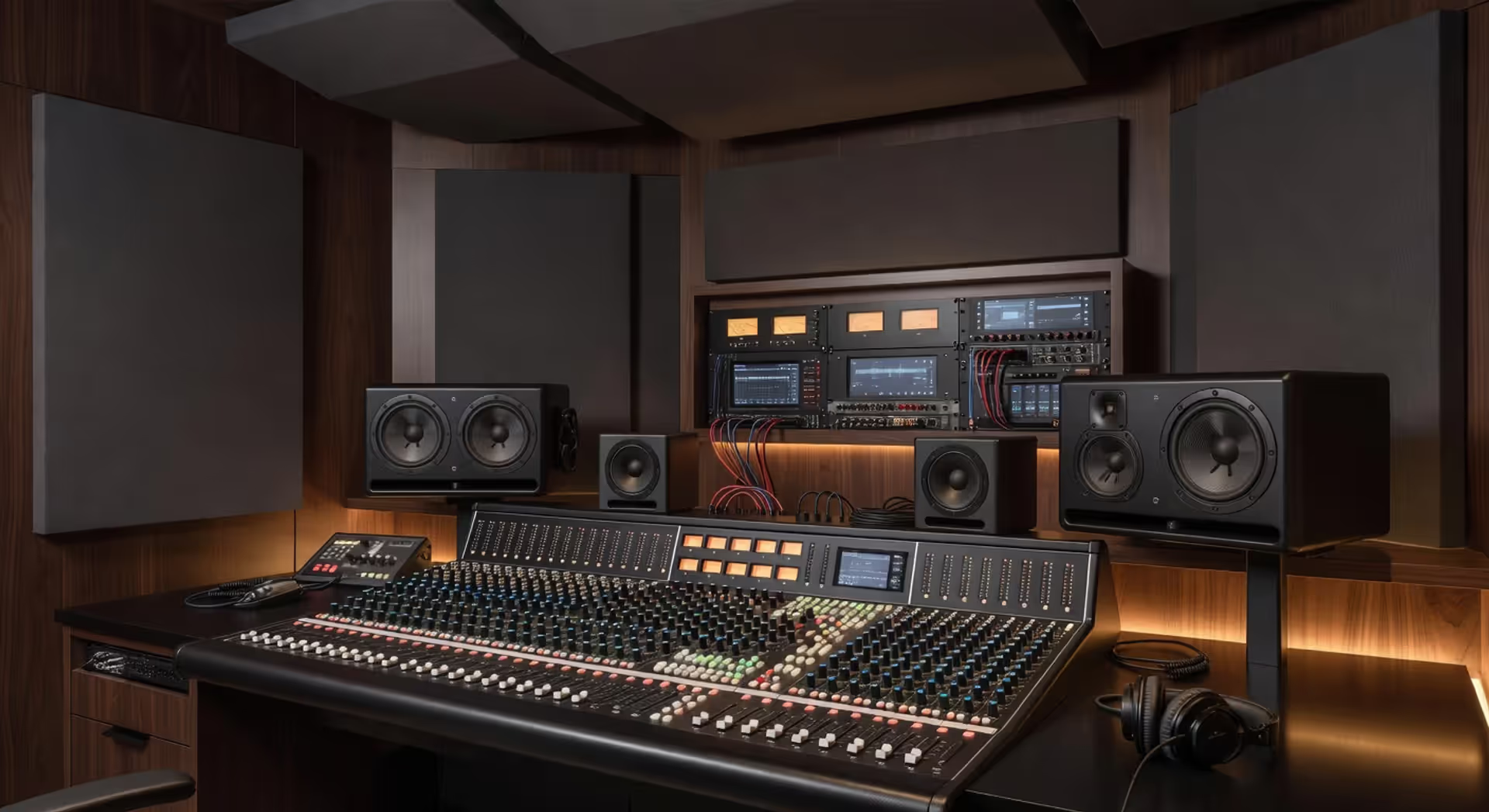
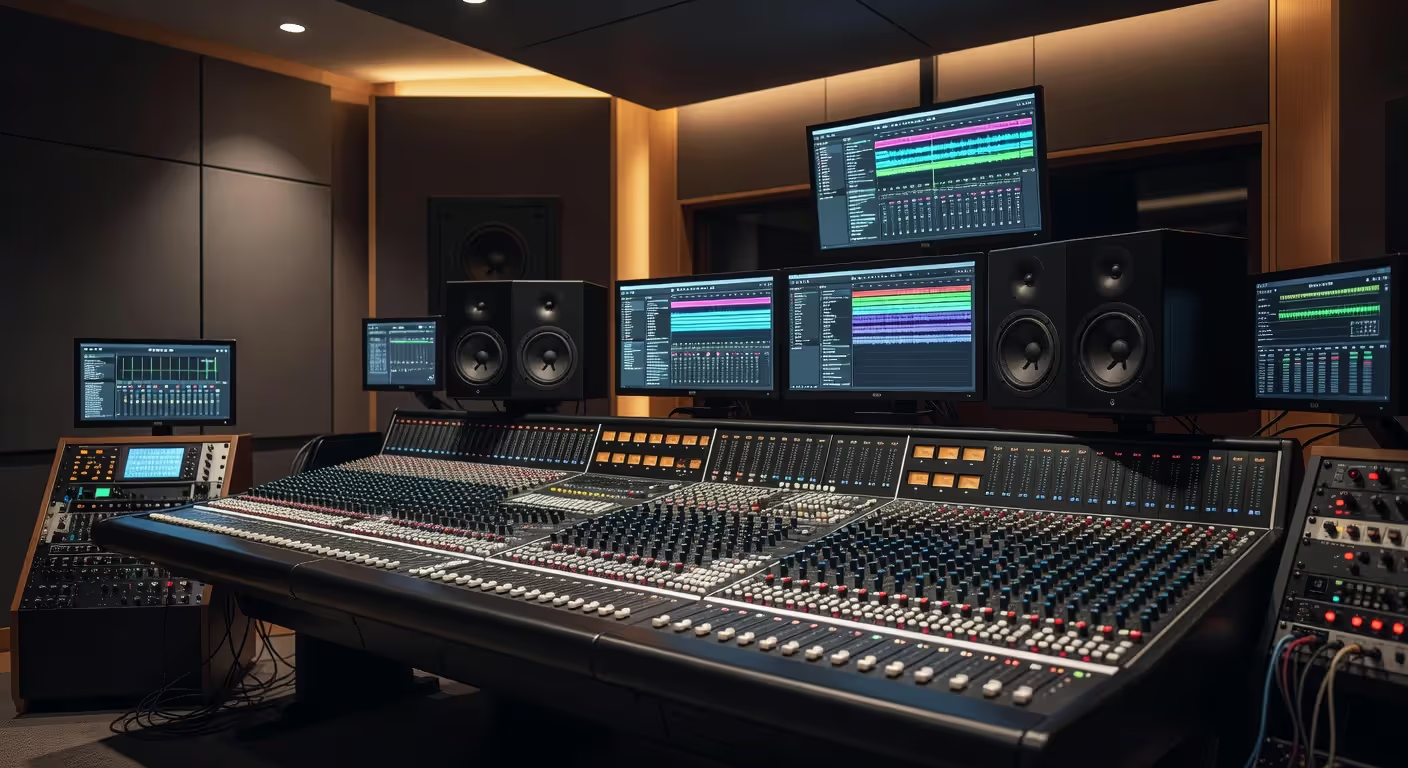
A sound engineer handles the technical side of recording, mixing, and sometimes mastering audio. Think of them as the person who makes sure everything sounds right from a technical standpoint. They set up microphones, position them correctly for each instrument or voice, and adjust levels so nothing clips or distorts.
During a session, the engineer operates the digital audio workstation (DAW), manages signal flow, and monitors the quality of every take. They're constantly checking for phase issues, background noise, and frequency conflicts that could muddy the final product.
Engineers also handle mixing—balancing levels, applying EQ, compression, reverb, and other effects to make individual tracks sit well together. Some specialize further: a tracking engineer focuses on recording, a mixing engineer polishes the recorded material, and a mastering engineer prepares the final stereo mix for distribution.
The engineer's toolkit includes deep knowledge of acoustics, signal processing, and equipment operation. They need to troubleshoot technical problems quickly when a preamp fails mid-session or a plugin crashes. Studio role differences become obvious here: while a producer might say "I want this vocal to feel more intimate," the engineer figures out how to achieve that with mic choice, compression settings, and spatial effects.
One pattern I see often: newer engineers underestimate how much of the job is problem-solving under pressure. You're not just pushing faders—you're diagnosing why the bass guitar suddenly sounds thin or why there's a 60Hz hum in the drum overheads.
Author: Lena Corwyn;
Source: lamat-records.com
What Does a Producer Do in Music Production?
A music producer shapes the creative vision of a project. They work with the artist to develop songs, choose arrangements, and make high-level decisions about the sonic direction. Producer responsibilities explained simply: they're like a film director, but for recorded music.
Before recording starts, a producer often helps with pre-production—refining song structures, suggesting tempo changes, or recommending a different key. They might say "let's try a half-time feel in the chorus" or "this bridge needs a completely different energy."
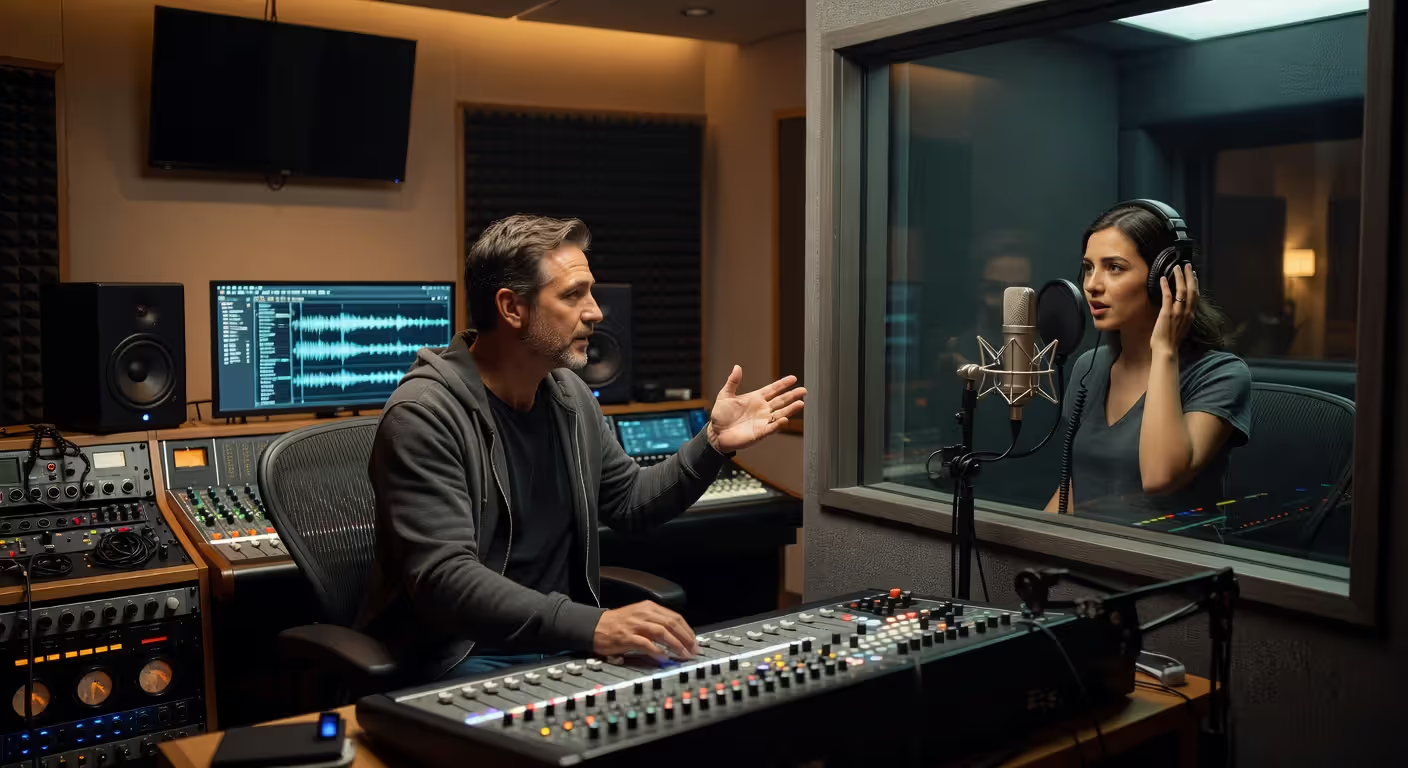
During tracking, the producer directs performances. They coach vocalists on delivery, tell the drummer to play more dynamically, or suggest the guitarist switch to a different amp. They decide when a take is good enough to move on or when the band needs to try again.
Producers also manage the project timeline and budget. They coordinate session musicians, book studio time, and make sure the project doesn't run over budget. Some handle artist development too—helping newer acts find their sound and build confidence in the studio.
The producer typically has final creative approval. If the artist and engineer disagree about a mix decision, the producer makes the call. They balance artistic vision with commercial viability, technical limitations, and the artist's goals.
Producer and engineer duties overlap sometimes, especially in smaller projects. But the producer's focus stays on the what and why, while the engineer handles the how.
Author: Lena Corwyn;
Source: lamat-records.com
Key Differences Between Engineers and Producers
The sound engineer vs producer distinction comes down to technical execution versus creative leadership. An engineer might have strong opinions about arrangement, and a producer might know their way around a compressor. But their core responsibilities point in different directions.
Technical Skills vs. Creative Vision
Engineers need deep technical knowledge. They study frequency ranges, compression ratios, and microphone polar patterns. They understand analog signal flow and digital audio theory. Their decisions are grounded in physics and psychoacoustics.
Producers need musical and interpersonal skills. They understand song structure, harmony, and what makes a performance emotionally compelling. They know how to communicate with artists, navigate creative disagreements, and keep sessions productive. Some producers can't operate a mixing console at all—and that's fine.
What separates producers and engineers most clearly: engineers optimize sound quality, while producers optimize the musical result. An engineer makes a snare drum sound punchy and clear. A producer decides whether that snare drum should even be in the song.
When Each Role Takes the Lead
During tracking, the producer usually leads. They're giving performance notes, deciding when to move to the next song, and managing the session flow. The engineer supports this by capturing clean audio and handling technical issues quietly.
During mixing, the engineer takes the lead. They build the initial balance, apply processing, and create a cohesive sonic landscape. The producer gives feedback—"the vocal needs to be louder," "the guitars feel too aggressive"—but the engineer implements those notes.
This back-and-forth continues until everyone agrees the mix is finished. Then the producer typically handles final approval before the track goes to mastering.
In some sessions, especially with less experienced artists, the producer also acts as a therapist, coach, and project manager. The engineer stays focused on the technical side, which keeps the workflow efficient.
How Producers and Engineers Collaborate in the Studio
Collaboration between roles makes or breaks a project. When producers and engineers communicate well, sessions run smoothly and the final product sounds better. When they don't, you get tension, wasted time, and compromised results.
The best working relationships start with mutual respect. A smart producer trusts their engineer's technical judgment and doesn't micromanage every EQ move. A smart engineer understands the producer's vision and suggests technical solutions that serve the creative goal.
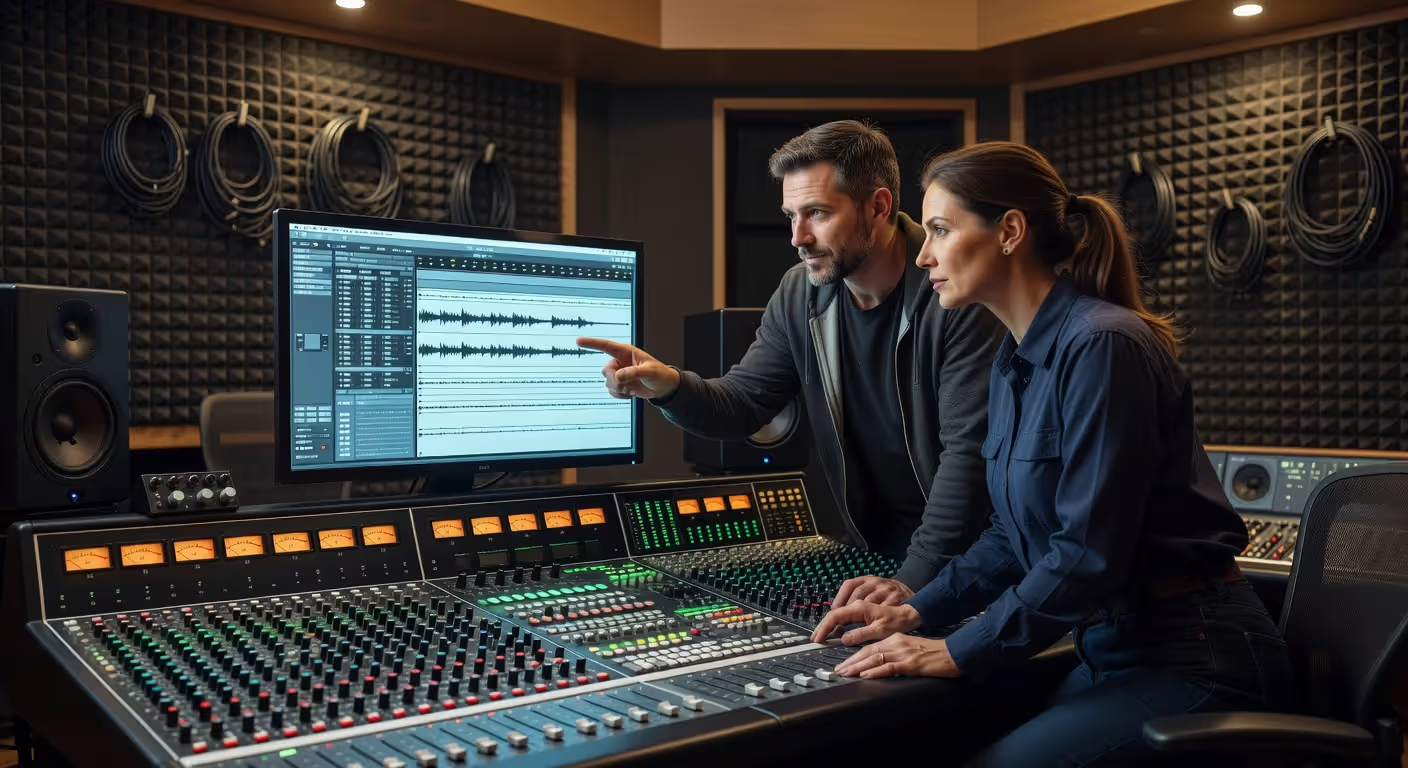
Here's how a typical workflow looks: The producer and artist discuss the song before the session. The engineer sets up microphones and gets sounds while the producer works with the artist on performance details. During takes, the producer listens for musical performance while the engineer monitors for technical issues. Between takes, they confer quickly—"that was great emotionally, but there was a weird noise at 1:32"—and decide whether to keep it or try again.
Author: Lena Corwyn;
Source: lamat-records.com
During mixing, the producer provides reference tracks and describes the vibe they're after. The engineer translates that into technical decisions. The producer might say "I want this to feel like early 2000s hip-hop"—the engineer knows that means punchy drums, filtered samples, and a specific approach to bass.
Communication style matters. Producers who speak in technical terms ("add 3dB at 5kHz") can frustrate engineers who prefer creative direction ("make it brighter"). Engineers who push back on every note can frustrate producers trying to meet a deadline. The best teams develop a shared language.
One common mistake: producers who don't understand engineering limitations. Asking an engineer to "make the vocal louder without changing anything else" in an already dense mix isn't always possible. Good producers learn enough about the technical side to make realistic requests.
Can One Person Be Both Engineer and Producer?
Yes. Many professionals wear both hats, especially in home studios and independent music. Engineering versus producing as separate roles is more common in big-budget projects with larger teams.
The producer-engineer hybrid role has real advantages. You don't lose ideas in translation between two people. You can work faster because you're not waiting for someone else to implement your vision. And you save money—one person instead of two.
But there are trade-offs. It's hard to focus on creative direction while also monitoring for phase issues and gain staging. You might miss performance problems because you're tweaking a compressor. Or you might let technical imperfections slide because you're focused on the arrangement.
Some artists prefer working with one person who handles everything. It can feel more intimate and collaborative. Others want the checks and balances that come from having separate roles—a producer focused purely on the music and an engineer focused purely on the sound.
The pattern you'll see most often: bedroom producers and hip-hop beatmakers tend to be producer-engineers by necessity. Major label pop and rock projects usually split the roles. Singer-songwriter projects fall somewhere in between.
If you want to do both, start by getting solid at one. Learn engineering fundamentals thoroughly, then expand into production (or vice versa). Trying to learn both simultaneously usually means you end up mediocre at both.
The magic happens when the producer and engineer speak the same language but focus on different things. The producer protects the artistic vision while the engineer protects the sonic integrity. When both understand each other's world, you get records that sound amazing and feel amazing.
— Pensado Dave
Sound Engineer vs Producer: Responsibilities at a Glance
| Responsibility Area | Sound Engineer | Music Producer |
| Technical setup | Configures all recording equipment, microphones, preamps, and signal routing | May provide input but doesn't handle physical setup |
| Creative decisions | Offers suggestions but defers to producer's vision | Makes final calls on arrangement, instrumentation, and overall direction |
| Artist direction | Focuses on technical performance (mic technique, avoiding plosives) | Coaches emotional delivery, phrasing, and interpretation |
| Mixing/mastering | Performs the actual mixing; balances levels, applies processing | Provides feedback and approval on mixes |
| Budget management | Works within allocated studio time | Manages overall project budget and timeline |
| Equipment operation | Operates DAW, console, outboard gear, and plugins | May observe but typically doesn't operate equipment |
| Song arrangement | May suggest ideas but doesn't make final decisions | Decides song structure, instrumentation, and sonic palette |
| Final approval | Ensures technical quality standards are met | Has ultimate creative approval before release |
Which Career Path Is Right for You?
Choosing between these paths depends on where your interests and strengths lie. Are you energized by solving technical puzzles or by shaping creative vision?
If you love gear, enjoy troubleshooting, and get satisfaction from making things sound pristine, engineering might be your path. Engineers need patience for repetitive tasks, attention to detail, and the ability to stay calm when technology fails. You'll spend years learning signal flow, acoustics, and the quirks of different plugins and hardware.
If you're more interested in songs, performances, and the emotional impact of music, producing is probably a better fit. Producers need strong communication skills, musical knowledge, and the ability to manage personalities. You'll spend time developing your ears for arrangement, learning what makes a great performance, and building relationships in the industry.
Training differs for each role. Engineers often pursue formal education in audio engineering, though many learn through apprenticeships or self-study. Producers come from more varied backgrounds—some are musicians, some start as engineers, some just have good ears and people skills. There's no single path.
Career trajectories vary too. Engineers typically start as assistants or interns, gradually working up to lead engineer roles. Producers might start by producing their own music or working with local artists, building a portfolio that attracts bigger opportunities.
Salary considerations: both roles have wide ranges. Entry-level engineers might make $30,000–$40,000 annually in 2026, while experienced engineers at top studios can earn six figures. Producers' income is even more variable—some make nothing on passion projects, while successful producers earn substantial fees plus royalty points on successful releases.
The simpler option for most people starting out: learn engineering first. It gives you marketable technical skills and gets you into studios where you can observe producers at work. You can always transition into production later once you understand the technical foundation.
FAQ: Sound Engineer vs Producer Questions Answered
Both sound engineers and producers play vital roles in creating the music you hear every day. Engineers bring technical excellence and sonic clarity, while producers bring creative vision and artistic direction. Understanding what separates these roles helps you appreciate the collaborative process behind every great recording—and helps you figure out which path matches your skills and interests if you're considering a career in audio production.
Related Stories

Read more

Read more

The content on this website is provided for general informational and educational purposes only. It is intended to explain concepts related to music production, recording, mixing, mastering, music industry roles, and distribution.
All information on this website, including articles, guides, and examples, is presented for general educational purposes. Results and success in music production may vary depending on skill level, equipment, and effort.
This website does not provide professional music production services or guarantees of commercial success, and the information presented should not be used as a substitute for consultation with qualified music producers, audio engineers, or music industry professionals.
The website and its authors are not responsible for any errors or omissions, or for any outcomes resulting from decisions made based on the information provided on this website.