
What Is a Sound Technician and What Do They Do
What Is a Sound Technician?

Content
Content
If you've ever been to a concert, watched a live broadcast, or listened to a podcast, a sound technician was behind the scenes making sure every word and note reached your ears clearly. These professionals are the unsung heroes of audio production, working in venues, studios, and broadcast facilities to capture, mix, and deliver sound. They're problem-solvers who think on their feet, technical experts who know their equipment inside out, and artists who understand that great audio can make or break an experience. So what exactly does a sound technician do, and how do you become one?
Sound Technician Role Explained
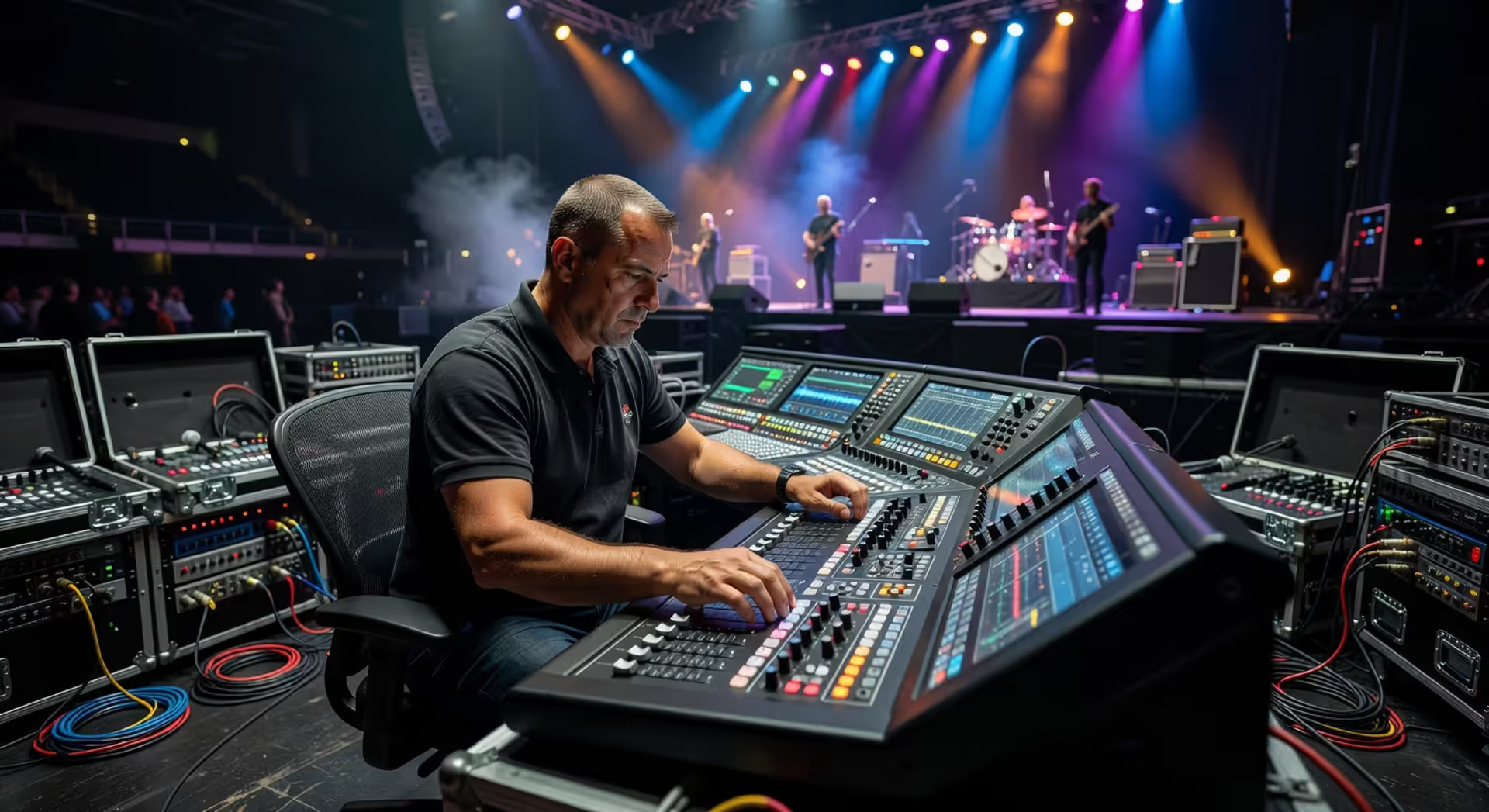
A sound technician—sometimes called an audio technician or sound tech—is a professional who operates and maintains audio equipment to capture, reproduce, or amplify sound. The sound technician role explained simply: they're responsible for making sure audio sounds good and reaches the intended audience, whether that's a crowd at a music festival, listeners tuning into a radio show, or actors recording dialogue for a film.
Sound technicians work in dozens of different settings. You'll find them at live concerts, corporate events, theaters, recording studios, television stations, film sets, houses of worship, sports arenas, and conference centers. Some specialize in one environment, while others move between multiple technical audio roles throughout their careers.
It's worth clarifying what sets sound technicians apart from related professions. An audio engineer typically has more formal education and handles complex mixing, mastering, and sound design tasks. Sound technicians focus more on the operational side—setting up equipment, running sound during events, troubleshooting technical issues, and ensuring consistent audio quality. That said, the lines blur frequently, and many sound techs develop engineering skills over time.
The core purpose remains the same across settings: deliver clear, balanced, distortion-free audio that serves the production's needs. Whether that's capturing a whisper-quiet voiceover or managing the explosive dynamics of a rock band, sound technicians make the technical decisions that shape what audiences hear.
Author: Savannah Quillmere;
Source: lamat-records.com
Key Responsibilities of a Sound Technician
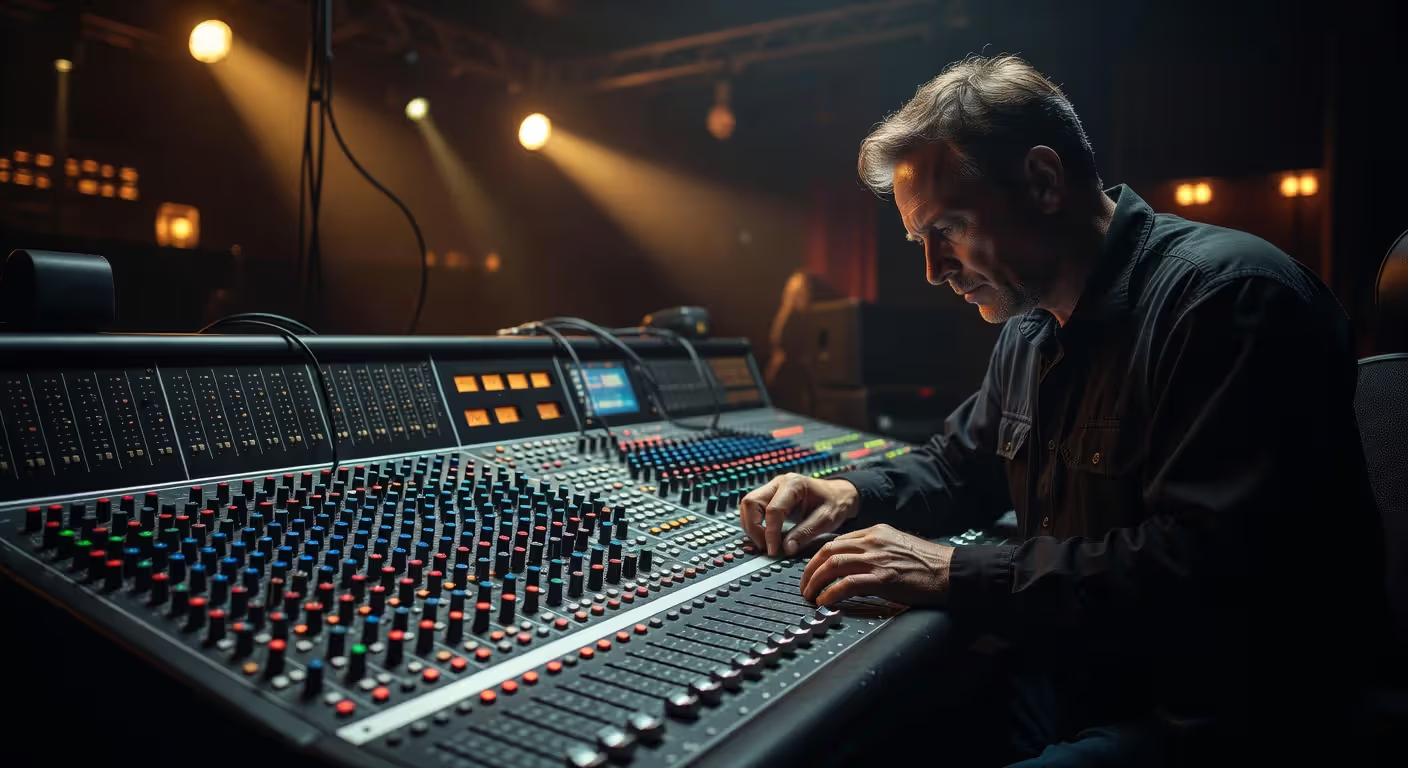
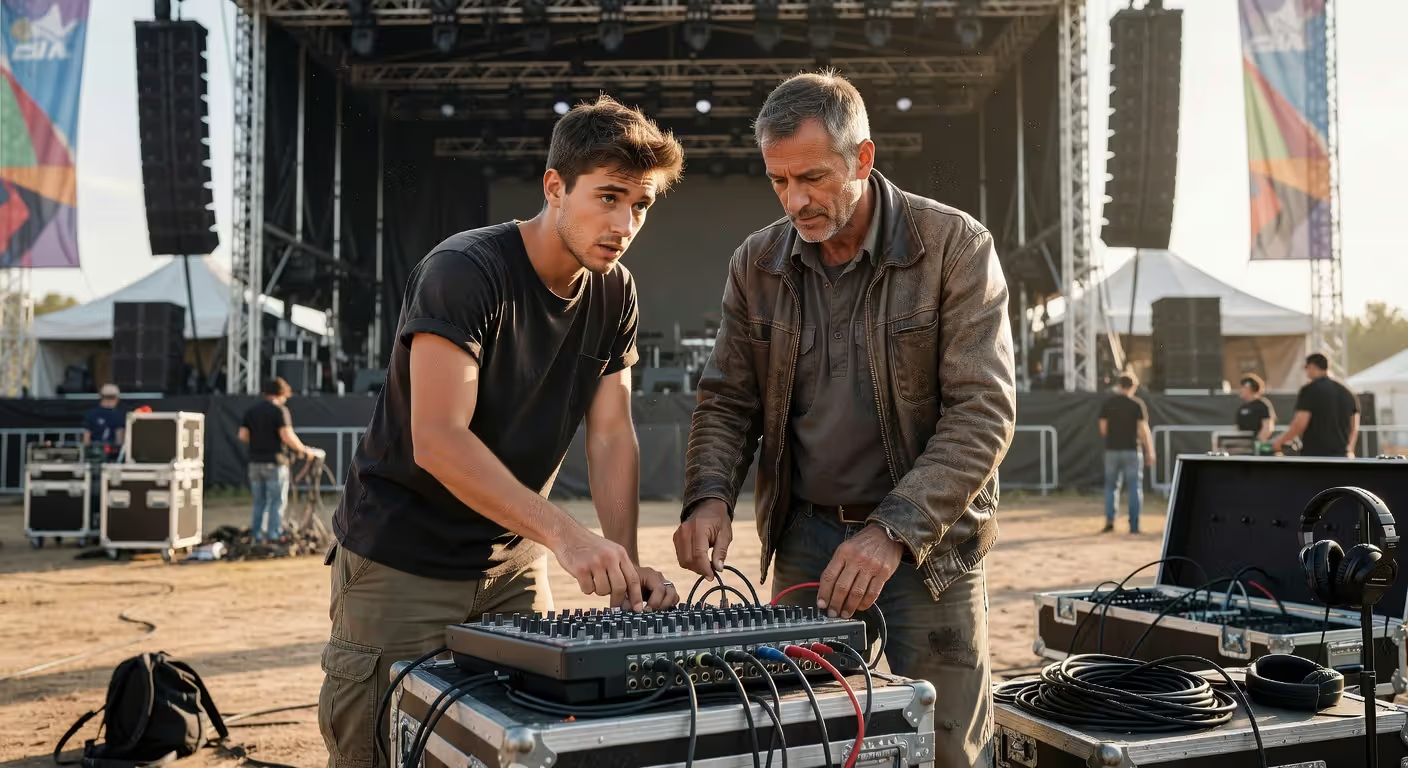
The duties of a sound tech vary by environment, but certain responsibilities show up everywhere. Before any event or session, sound technicians arrive early to set up and test equipment. They unload and position speakers, run cables, place microphones, configure mixing consoles, and conduct sound checks to identify and fix problems before showtime.
During the actual performance or recording, they monitor audio levels constantly, adjusting them in real time to maintain clarity and balance. They watch for feedback, distortion, or equipment failures and respond immediately when something goes wrong. After the event wraps, they break down equipment, coil cables properly (there's a right way and a wrong way), and pack everything for transport or storage.
Audio technician responsibilities also include regular equipment maintenance. Sound techs clean connectors, test cables, update firmware, replace worn components, and keep detailed inventories. They need to know when a piece of gear is about to fail and have backup plans ready.
Live Sound Technician Work
Live sound technician work is fast-paced and unpredictable. At concerts and events, sound techs operate front-of-house mixing consoles, controlling what the audience hears. They balance vocals against instruments, adjust EQ to compensate for room acoustics, and manage effects like reverb and delay.
Many live sound techs also handle monitor mixing—creating separate audio mixes for performers on stage so they can hear themselves and each other. This requires diplomacy as much as technical skill, since musicians often have strong (and conflicting) preferences about their monitor mixes.
Live environments demand quick thinking. A wireless microphone might cut out mid-sentence. A speaker might start buzzing. A performer might wander off their mark, creating feedback. Sound techs solve these problems in seconds while hundreds or thousands of people watch.
The schedule is irregular. Concerts happen at night. Festivals run all weekend. Corporate events might start at 7 AM. You'll work when others are off, and you'll be on your feet for hours at a stretch.
Studio Sound Technician Work
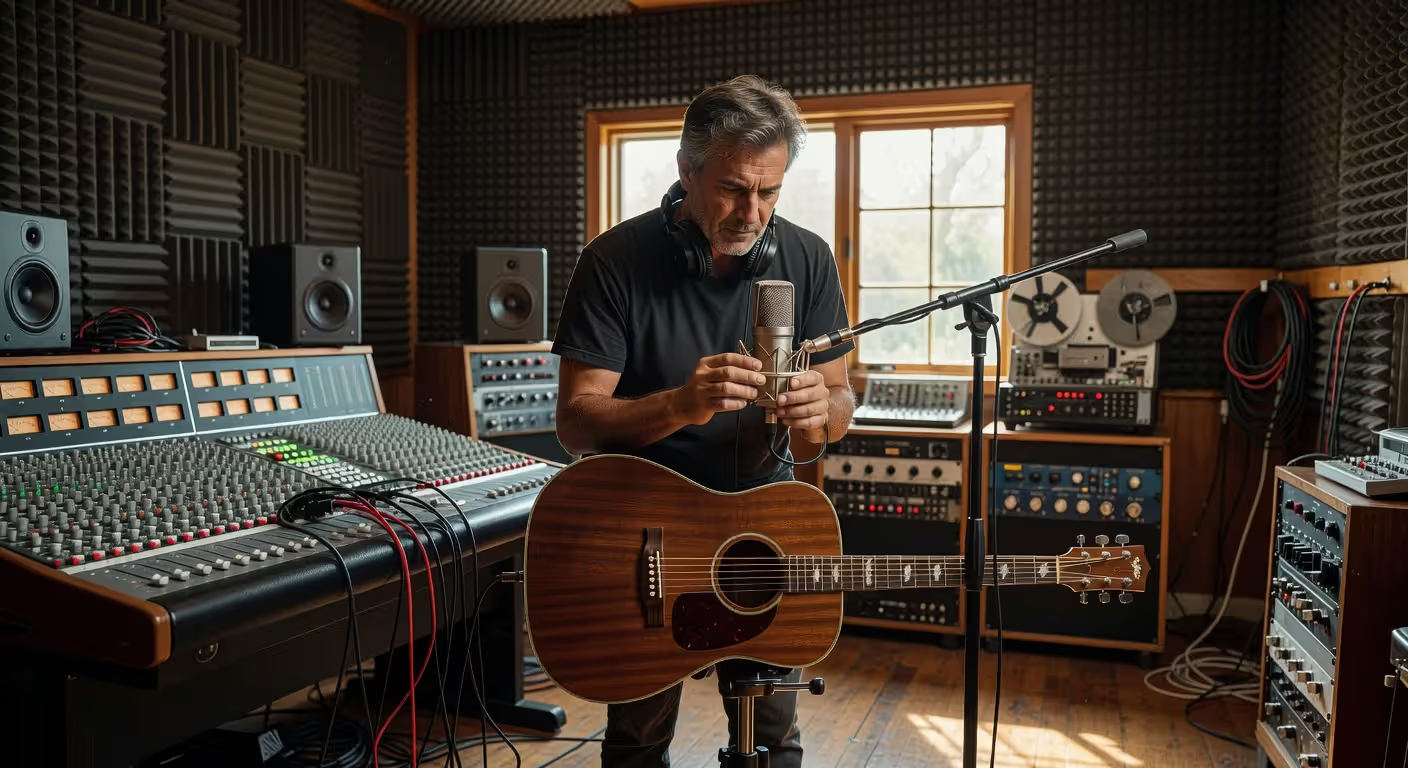
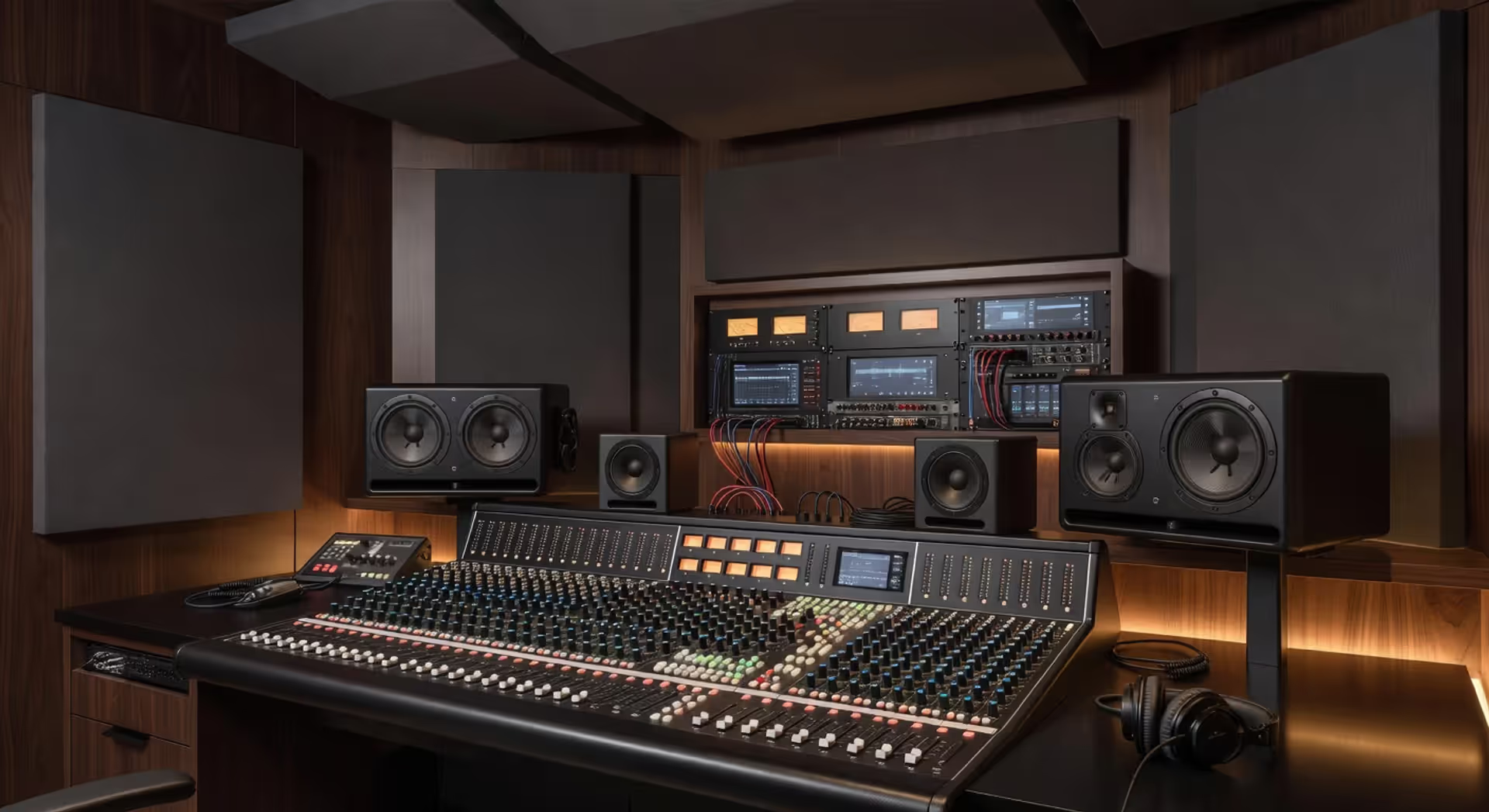
Studio sound technicians work in recording environments where precision matters more than speed. They position microphones to capture specific tonal qualities, set recording levels to avoid clipping, and monitor sessions for unwanted noise or technical issues.
In recording studios, sound techs assist audio engineers and producers. They might set up a drum kit with a dozen microphones, patch effects processors into the signal chain, or manage Pro Tools sessions during tracking. They're the technical support that keeps sessions running smoothly.
Studio work offers more predictable hours than live sound, though long sessions still happen. The environment is quieter and more controlled. You have time to experiment with mic placement and listen critically to subtle differences in sound quality.
The pattern I see most often is that sound technicians start in live sound, where you learn fast under pressure, then transition to studio work once they've built enough experience and connections.
Author: Savannah Quillmere;
Source: lamat-records.com
Essential Skills for Sound Technicians
Sound tech skills fall into two categories: technical abilities and interpersonal qualities. Both matter equally.
On the technical side, you need to understand signal flow—how audio travels from source through cables, processors, and amplifiers to speakers or recording devices. You should know how to operate mixing consoles, both analog and digital. You'll work with microphones of various types (dynamic, condenser, ribbon) and understand which suits different applications.
Troubleshooting separates good sound techs from great ones. When something goes wrong, you need to diagnose the problem systematically. Is it the microphone? The cable? The mixer channel? The amplifier? You'll develop a mental checklist and work through it quickly.
Ear training is non-negotiable. You need to recognize when audio sounds muddy, harsh, or thin, and know which frequencies to adjust. You should hear the difference between 2 kHz and 4 kHz, identify feedback frequencies instantly, and detect phase issues that others might miss.
But technical knowledge alone won't cut it. Sound technicians work with performers, producers, event planners, and venue staff. You need communication skills to understand what they want and explain what's possible. You need patience when dealing with non-technical clients who can't articulate audio problems clearly.
Time management matters because you're always working against the clock. Sound check starts at 4 PM whether you're ready or not. You'll prioritize tasks, delegate when possible, and stay calm when things run late.
Physical stamina is underrated. You'll lift heavy speakers, climb ladders to hang microphones, and work in uncomfortable positions. Back problems are common in this field, so learn proper lifting techniques early.
Problem-solving under pressure might be the most important skill. Equipment fails. Performers make last-minute changes. Weather affects outdoor events. You can't panic—you adapt and find solutions while the show continues.
How to Become a Sound Technician
Becoming a sound technician doesn't follow a single path, which is good news if traditional education isn't your thing. Some sound techs have bachelor's degrees in audio engineering or music production. Others learned entirely through hands-on experience. Both routes work.
Formal education programs at technical schools, community colleges, and universities teach audio fundamentals, acoustics, electronics, and software skills. These programs typically last two to four years and include lab time with professional equipment. The structured learning helps you build a solid foundation, and the connections you make with instructors and classmates can lead to job opportunities.
That said, many successful sound technicians took a different route. They started by volunteering at community theaters, local venues, or houses of worship. They assisted experienced sound techs for free, learning by watching and doing. They made mistakes when the stakes were low and gradually took on more responsibility.
Entry-level positions include audio assistant, stagehand, or production assistant roles. You'll start by coiling cables, loading trucks, and setting up basic equipment. It's not glamorous, but you're learning the fundamentals and proving you're reliable. Reliability matters more than talent when you're starting out.
Certifications can help but aren't required. Organizations like InfoComm (now AVIXA) and the Society of Broadcast Engineers offer certification programs that demonstrate your knowledge. Employers recognize these credentials, especially for corporate AV and broadcast positions.
Building experience takes time. Most sound technicians spend years working smaller gigs before landing major tours or studio positions. You'll work bar bands, school assemblies, and wedding receptions. Each event teaches you something new about equipment, acoustics, or working with people.
Networking is how you advance. The audio world is smaller than you'd think. Do good work, treat people well, and word spreads. Other techs will recommend you for gigs. Venues will call you back. Your reputation becomes your resume.
Author: Savannah Quillmere;
Source: lamat-records.com
Where Sound Technicians Work
Sound technicians find employment across numerous industries. Live entertainment venues—concert halls, theaters, clubs, and arenas—hire sound techs as staff members or contractors. These positions offer steady work and the chance to develop relationships with regular clients and performers.
Recording studios employ sound technicians to assist with sessions, maintain equipment, and manage technical logistics. Studio positions tend to be more competitive and concentrated in major cities like Los Angeles, New York, Nashville, and Atlanta.
Broadcast facilities need sound technicians for television and radio production. You might work on news programs, talk shows, sports broadcasts, or podcasts. Broadcast work requires precision and the ability to work within strict time constraints.
Film and television production hires sound techs for location recording. You'll capture dialogue, manage wireless microphone systems, and ensure clean audio for post-production. This work involves travel and irregular schedules but offers variety and good pay.
Corporate AV companies provide sound services for conferences, trade shows, and business events. This sector offers more predictable hours and steady income, though the work can be repetitive.
Houses of worship employ sound technicians to manage services, concerts, and special events. These positions often involve operating complex systems with volunteer help and balancing traditional and contemporary musical styles.
The choice between freelance and staff positions shapes your career significantly. Freelancers enjoy flexibility and variety but face income instability and no benefits. Staff positions provide steady paychecks, health insurance, and retirement plans but less variety and potentially lower peak earnings.
Many sound technicians blend both approaches, maintaining a part-time staff position while freelancing on the side. This balances security with opportunity.
The most rewarding part of being a sound technician isn't the gear or the venues—it's that moment when everything clicks and you've created an experience people will remember. But you earn that moment through years of troubleshooting broken cables at 2 AM, hauling speakers in the rain, and staying calm when everything goes wrong at once. If you can't handle the chaos and the grunt work, this field will chew you up.
— Martinez Carlos
Sound Technician Salary and Career Outlook
Sound technician salaries vary widely based on experience, location, and specialization. According to Bureau of Labor Statistics data, broadcast and sound engineering technicians earned a median annual wage of $56,340 in recent years, though this figure encompasses several related occupations.
Entry-level sound techs typically earn $30,000 to $40,000 annually, often working part-time or project-based gigs. With a few years of experience, you can expect $45,000 to $60,000 in staff positions or as a busy freelancer. Experienced sound technicians working major tours, high-end studios, or broadcast facilities can earn $70,000 to $100,000 or more.
Freelance rates vary by market and event type. You might charge $200 to $400 for a small club show, $500 to $1,000 for a corporate event, or $1,500+ per day for specialized work on major productions. Top freelance sound techs in major markets command premium rates.
Geographic location matters. Sound techs in New York, Los Angeles, and Nashville earn more than those in smaller markets, but cost of living is higher too. Some techs base themselves in smaller cities where they can dominate the local market while occasionally traveling for higher-paying gigs.
Job growth projections are modest. The Bureau of Labor Statistics projects about 6% growth for broadcast and sound engineering technicians through 2034, roughly average compared to all occupations. Demand remains steady as live events, content production, and streaming continue to grow, though automation and AI tools are changing some aspects of audio work.
Advancement opportunities exist for motivated sound technicians. You might move into audio engineering, production management, or technical direction roles. Some sound techs start their own production companies or specialize in high-demand niches like immersive audio or broadcast sports.
The career offers stability if you're good at what you do and build a strong reputation. Audio will always need skilled technicians who can make it sound right.
Comparison of Sound Technician Work Environments
| Environment | Typical Duties | Equipment Used | Schedule | Skills Emphasized |
| Live Events | FOH mixing, monitor mixing, equipment setup/teardown, real-time troubleshooting | PA systems, wireless mics, digital consoles, stage monitors, effects processors | Evenings, weekends, irregular hours | Quick problem-solving, stress management, physical stamina, interpersonal skills |
| Recording Studio | Microphone placement, session assistance, equipment maintenance, signal routing | Studio microphones, preamps, DAW software, outboard gear, patch bays | Daytime sessions, some evenings, more predictable | Critical listening, attention to detail, technical precision, patience |
| Broadcast/Film | Location recording, dialogue capture, wireless mic management, sync coordination | Boom microphones, wireless transmitters/receivers, portable recorders, timecode gear | Variable, often early call times, location-dependent | Adaptability, coordination with other departments, consistency, documentation |
FAQ: Sound Technician Questions Answered
Sound technicians keep the audio world running, whether you're aware of them or not. The career demands technical knowledge, physical stamina, and the ability to solve problems under pressure, but it offers variety, creative satisfaction, and the chance to work in environments most people only experience as audience members. If you're drawn to the technical side of audio and don't mind irregular hours and hands-on work, it's a field where dedication and skill still matter more than credentials or connections—though both certainly help.
Related Stories
Read more
Read more

The content on this website is provided for general informational and educational purposes only. It is intended to explain concepts related to music production, recording, mixing, mastering, music industry roles, and distribution.
All information on this website, including articles, guides, and examples, is presented for general educational purposes. Results and success in music production may vary depending on skill level, equipment, and effort.
This website does not provide professional music production services or guarantees of commercial success, and the information presented should not be used as a substitute for consultation with qualified music producers, audio engineers, or music industry professionals.
The website and its authors are not responsible for any errors or omissions, or for any outcomes resulting from decisions made based on the information provided on this website.