
How to Become a Songwriter for a Label
How to Become a Songwriter for a Label?

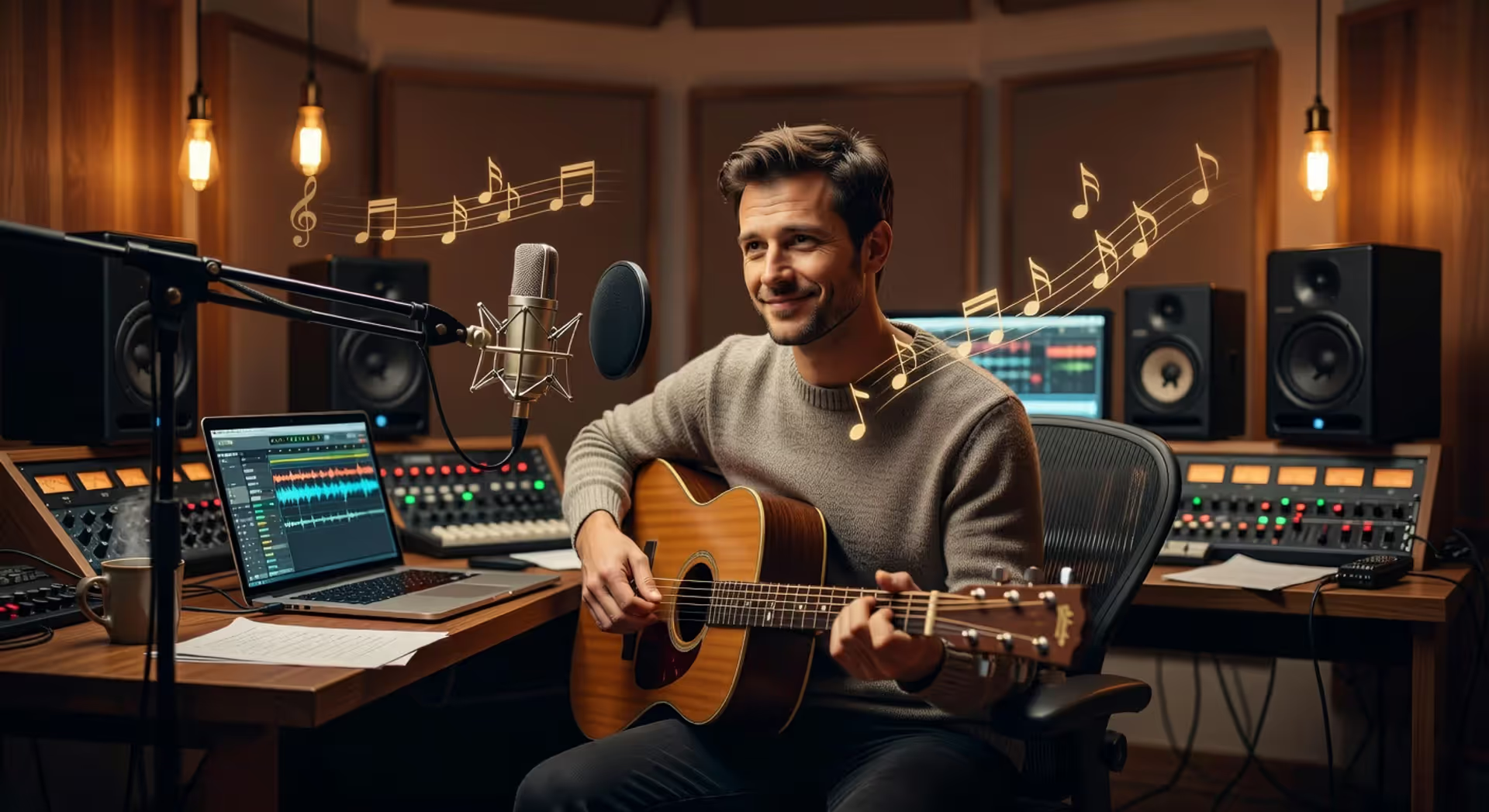
Breaking into the professional songwriting world? You'll need more than a guitar and a dream. The reality is harsh: most talented writers never land a publishing deal because they don't understand how the business actually operates. Getting signed as a songwriter means mastering submission protocols, building the right relationships, and creating songs that publishers can actually sell. Whether you're chasing a staff position with steady income or pitching individual tracks to labels, you're entering a competitive industry where strategy matters as much as creativity.
What Does a Label Songwriter Do
Label songwriters write original material for recording artists—but they're not the ones performing it. Think of yourself as a behind-the-scenes creative who crafts hits for other people's voices.
Staff writers sign contracts with publishing houses (often connected to major labels). They get monthly paychecks—technically advances against future earnings—and they're expected to deliver a specific number of finished songs annually. It's a real job with real expectations. You clock in, collaborate with assigned partners, meet with A&R teams, and produce material on deadline.
Independent writers operate differently. They negotiate deals for individual songs or catalogs without the full-time commitment. A publisher might have first refusal rights on their work, but these writers keep more flexibility. They balance multiple revenue streams: co-writing fees, sync placements, and direct pitches to artists.
What does a typical workday look like? You might start with a 10 AM co-write at someone's home studio, break for lunch with a producer who's working with an up-and-coming artist, then spend the afternoon recording demos of yesterday's session. Staff writers in Nashville often juggle three co-writing appointments in a single day. It's exhausting.
Here's what nobody tells you: you won't spend much time alone with your feelings and a journal. Professional songwriting is a team sport. You're manufacturing a product for a specific market, which means compromising on lyrics, accepting feedback you disagree with, and sometimes writing in genres you don't personally love.
Author: Savannah Quillmere;
Source: lamat-records.com
Skills and Requirements for Professional Songwriting
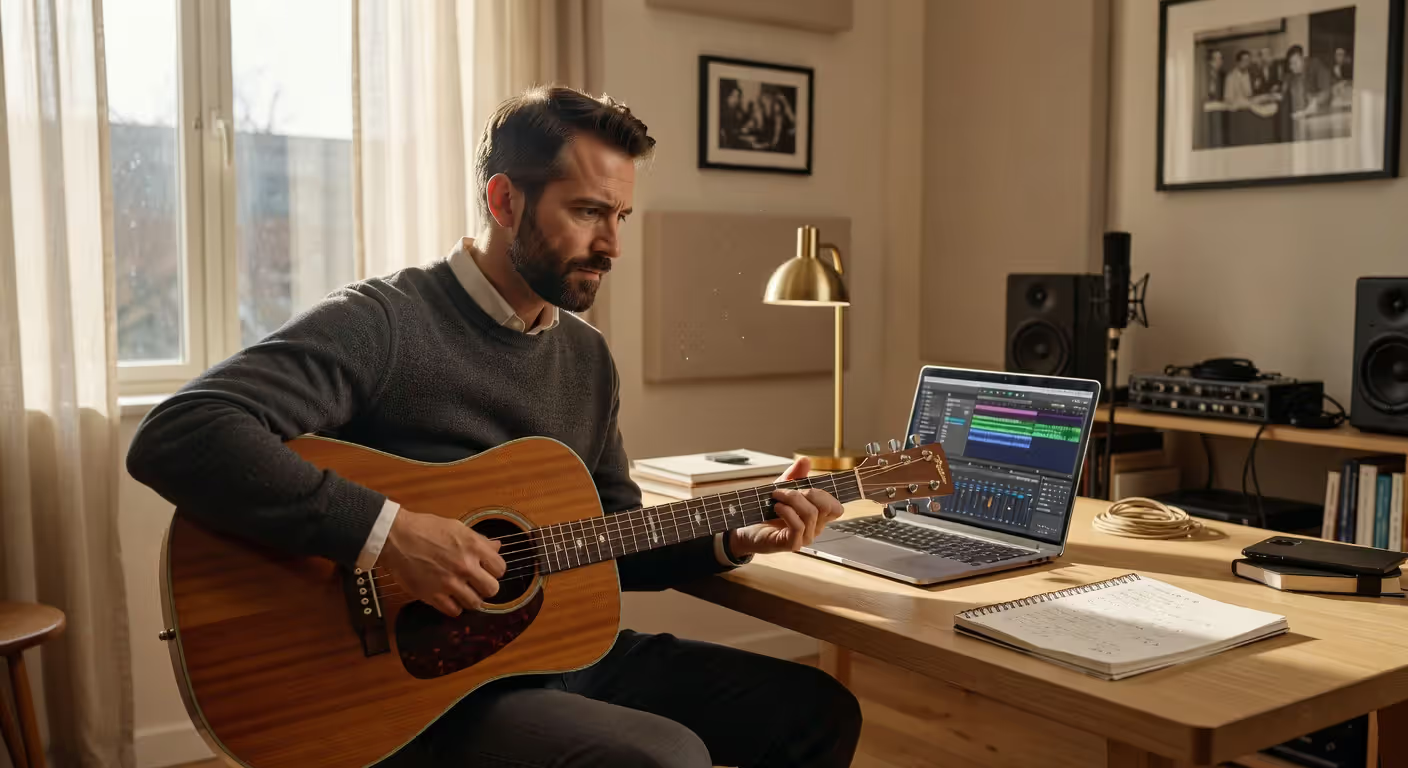
Can you play an instrument well enough to communicate musical ideas? That's your starting point. You don't need virtuoso skills, but you should be able to demonstrate melody concepts and chord progressions. Most working writers play piano or guitar at an intermediate level. Music theory helps—understanding chord progressions, key changes, and song structure—but plenty of successful writers learned by ear rather than from textbooks.
Copyright law isn't optional knowledge. You're going to sign contracts that reference mechanical rights, performance royalties, sync licenses, and work-for-hire clauses. If you don't understand what you're signing, you'll lose money. I've watched talented writers give away percentages they should have kept simply because they didn't read the fine print. Register every song with your PRO. Document every co-writing split in writing before you leave the session. These administrative tasks feel boring until they cost you thousands of dollars.
Can you handle a room full of strong personalities? Collaboration skills determine whether you'll get invited back for second sessions. Some writers dominate conversations and shut down ideas. Others contribute nothing and collect credits. The sweet spot is actively participating while remaining open to direction. If an artist wants to change your favorite lyric, can you let it go? If a co-writer suggests a melody you think is weaker than yours, can you try it their way first?
Technical skills have become mandatory. You need to record clean vocal demos at minimum. Publishers won't accept voice memos anymore—they expect produced reference tracks that showcase the song's potential. You don't need to master audio engineering, but you should know your way around Logic Pro, Ableton, or Pro Tools. Can you program a basic drum beat? Layer harmonies? Add a simple synth pad? These skills save money and speed up your workflow.
Networking feels uncomfortable for most creative people, but it's non-negotiable. Can you walk into an industry event and start conversations with strangers? Will you follow up with the A&R rep you met last month? Do you remember people's names and current projects? These interpersonal skills open doors that talent alone won't touch.
Building a Strong Song Catalog
You need 20-30 fully produced demos before you approach anyone. Not voice memos. Not rough ideas. Finished songs with professional production quality that showcase your range.
Your catalog should demonstrate versatility. Include uptempo singles, emotional ballads, and mid-tempo album cuts. Publishers need writers who can deliver whatever the artist needs—not just one style you're comfortable with.
Organization matters more than you'd think. Create a spreadsheet tracking every song: title, co-writers with contact info, percentage splits, recording date, key, tempo, and any artist interest. Store files in clearly labeled cloud folders. When a publisher asks for your three best uptempo pop songs, you should be able to send them within ten minutes.
Refresh your catalog constantly. Songs you wrote six months ago might already sound dated. As your skills improve, replace weaker material. Your catalog represents your current abilities—make sure it's actually current.
Understanding Music Publishing Basics
Publishing is how you get paid. Every time someone streams your song, plays it on radio, performs it live, or uses it in a commercial, money gets generated. Publishers collect these payments and split them with you according to your contract terms.
Two separate copyrights exist in every recorded song. The composition copyright covers the melody and lyrics—that's what you own as a songwriter. The master recording copyright covers the specific recorded version—that's what the artist or label owns. Don't confuse these when negotiating deals.
You'll need to join ASCAP, BMI, or SESAC—these organizations collect performance royalties when your songs get played publicly. Radio airplay, streaming services, live concerts, and TV broadcasts all generate performance royalties. Registration is free for writers at ASCAP and BMI. Pick one and register every song you write.
Reproduction payments—generated when someone downloads, streams, or manufactures copies of your song—work differently than performance royalties. The Harry Fox Agency traditionally handled these collections, but streaming has complicated the system. Your publisher will manage most of this, but understanding the money flow prevents surprises.
Sync placements—getting your song into TV shows, films, commercials, or video games—frequently pay more than streaming ever will. A single national commercial placement might earn more than a million Spotify streams. Publishers pitch your catalog for these opportunities, but you can also work directly with sync agencies.
Steps to Launch Your Songwriting Career
Write every single day for at least a year before you chase any deals. Study the charts in your target genre obsessively. Pull apart hit songs. Why does that chorus stick in your head? How does the verse melody create tension that the chorus releases? Where do the lyrics surprise you?
Recording quality demos doesn't require expensive studios anymore. A $200 audio interface, a decent condenser microphone, and a DAW subscription will produce publisher-ready demos from your bedroom. Learn basic production or find a producer who'll work for backend percentages.
Industry connections open doors, but you need strategy. Songwriter rounds at local venues put you in rooms with other writers. ASCAP's "I Create Music" Expo and NAMM conferences attract publishers and A&R representatives. But here's the mistake everyone makes: don't pitch aggressively at these events. Build actual relationships first. Have real conversations about music without immediately asking for something.
Join ASCAP, BMI, or SESAC as soon as you've written anything worth registering. Both ASCAP and BMI offer free writer membership. They host workshops, critique sessions, and networking mixers specifically designed for emerging writers.
Consider paying for membership in songwriter organizations. NSAI (Nashville Songwriters Association International) costs about $200 annually and offers weekly pitch sessions, mentorship programs, and contract review services. The Songwriters Guild of America provides legal resources and advocacy. These aren't free, but they create structured pathways into the industry.
Workshops and masterclasses serve double duty—you learn specific skills while meeting people at your level and occasionally connecting with industry gatekeepers. Successful writers often teach weekend intensives on topics like co-writing etiquette or sync licensing strategies.
The biggest mistake new writers make is thinking their songs speak for themselves. They don't. Your network speaks for your songs. Every cut I've ever gotten came through a relationship I'd built over months or years, not from a cold submission.
— Parker Lacy
Co-write with anyone who'll say yes. Early in your career, co-writing builds skills faster than solo writing. Plus, every co-writer has their own network. That song you wrote with someone last month might get pitched by their publisher even though you don't have a deal yet.
How to Pitch Songs to Music Labels and Publishers
Learn submission protocols before you send a single email. Major publishers won't open unsolicited attachments—it's a legal liability issue. They need a prior relationship, a referral from someone they trust, or a connection through an industry event. This frustrates new writers, but fighting against it wastes your energy.
Professional pitch packages include specific elements. Create a one-sheet: song title, co-writers with contact info, tempo, genre, and a two-sentence description of the vibe or potential artist fit. Link to a streaming file—never attach large MP3s to emails. Include a PDF of the lyrics.
Finding A&R contacts requires research. LinkedIn profiles, industry directories through your PRO, and publisher websites list contacts. Attend panels where these people speak. Follow their social media and engage genuinely with their content for months before reaching out. Comment on their posts. Share their wins. Build familiarity.
Pitch sessions provide structured submission opportunities. NSAI hosts weekly sessions where publishers listen to member songs. Taxi and SongTown connect writers with specific briefs—publishers looking for particular song types for upcoming projects.
These platforms work if you use them strategically. Taxi charges around $300 annually plus $5 per submission forwarding. It's worth it only when you target briefs that genuinely match your catalog. Submitting everything to every brief wastes money and damages your platform reputation.
Personal introductions destroy cold emails every time. If you met a publisher at a conference, reference that conversation in your subject line. If a mutual contact suggested you connect, mention their name in the first sentence (after getting permission). Context dramatically increases response rates.
Follow-up etiquette matters. Wait two weeks, then send one polite follow-up email. That's it. One. If you still don't hear back, move on. Persistence shows commitment. Pestering shows you don't understand professional boundaries.

Author: Savannah Quillmere;
Source: lamat-records.com
Getting Signed as a Songwriter: What Labels Look For
Track record trumps everything for established publishers. Have any artists recorded your songs? Even independent artists with modest followings count. Have you placed anything in TV shows, films, or commercials? These "cuts" prove you write commercially viable material and understand business operations.
Hit potential is subjective, but experienced ears recognize it. Publishers evaluate whether a song could chart if the right artist recorded it. They're asking: does this hook grab you immediately? Does the structure follow current trends? Will this connect emotionally with audiences? Study current charts until you can predict what'll hit.
Work ethic shows through volume and consistency. If you've written 200 songs in the past year, you're serious. If you've written 10, publishers wonder if you can handle the output required. Staff writers often write three to five days per week, producing dozens of songs quarterly.
Even small placements carry weight. A song recorded by an independent artist with 50,000 Spotify monthly listeners proves something. A song in a regional commercial demonstrates you can write to specific briefs. These small wins prove you're already operating professionally.
Genre fit determines whether a specific publisher will pursue you. Country publishers in Nashville need writers who understand storytelling traditions and current country production styles. Pop publishers in LA want writers tracking TikTok trends and viral sounds. Research publishers' current rosters before approaching them.
Here's what different deal structures actually offer:
| Deal Type | Advance Payment | Royalty Split | Creative Control | Contract Length | Best For |
| Staff Writer Position | $18K–$50K/year (varies wildly by market) | Publisher takes 50% of your writer's share | Publisher directs much of what you write | 1–3 years, often renewable | Writers ready for full-time commitment who need steady income |
| Single-Song Publishing Deal | $0–$5K per song | Publisher takes 25–50% of your writer's share | You keep most creative decisions | Per song, no ongoing term | Writers testing relationships or maintaining maximum flexibility |
| Co-Publishing Agreement | $10K–$100K+ (depends on your track record) | Publisher takes 25% of writer's share plus 50% of publishing share | Collaborative decision-making structure | 1–5 years | Established writers with leverage and proven income history |
Social media presence helps but doesn't replace song quality. Publishers notice if you have engaged followers, but they're signing your songs, not your Instagram account. Don't delay pursuing deals while building your online audience.
Common Mistakes That Prevent Songwriter Deals
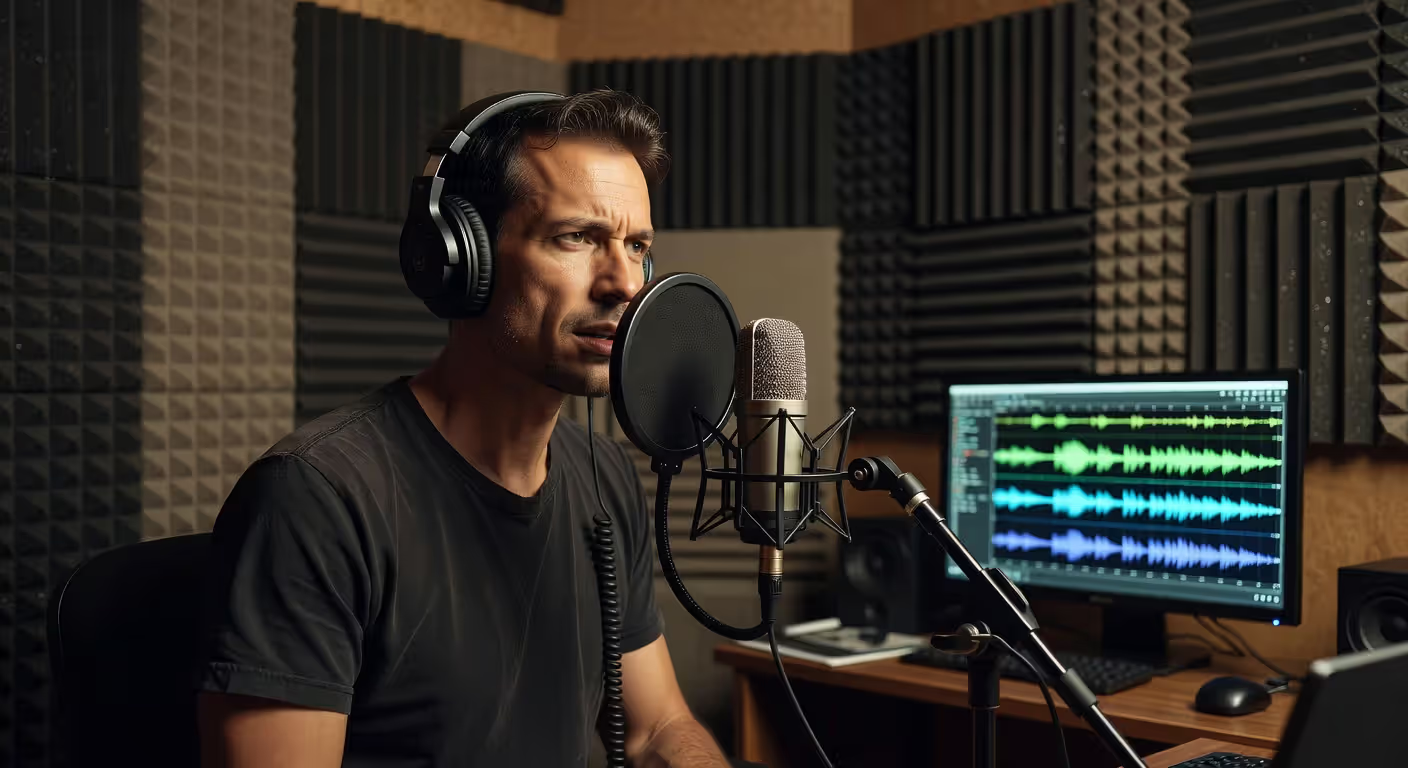
Bad demo quality destroys great songs instantly. Publishers receive hundreds of submissions monthly. If your demo has pitch problems, muddy mixing, or weak vocal performances, they'll delete it within 30 seconds. Either invest in decent production or wait until you can.
Genre mismatch wastes everyone's time and marks you as unprofessional. Sending a folk ballad to a hip-hop-focused publisher shows you didn't research. Publishers remember this kind of sloppiness. Target your submissions as carefully as artists target their sound.
Failing to follow up suggests you're not actually serious. If a publisher expresses interest but you don't respond within 24 hours or can't provide requested materials quickly, they'll move to the next writer. Opportunities expire fast in this business.
Unprofessional behavior spreads through industry networks faster than good songs travel. Show up late to co-writes, complain about other writers behind their backs, or argue aggressively about split percentages, and word gets around. Nashville, LA, and New York are surprisingly small communities. Your reputation follows you.
Copyright problems create legal nightmares that publishers won't touch. If you've sampled something without clearance, borrowed a melody without permission, or have unclear ownership with co-writers, your song is unpublishable. Clean copyright is absolutely non-negotiable.
Submitting incomplete work signals amateur status immediately. Publishers need polished songs with professional demos. Sending rough ideas or asking if they're interested before finishing wastes their time. Finish the song first. Always.
Author: Savannah Quillmere;
Source: lamat-records.com
FAQ: Becoming a Professional Songwriter Questions Answered
The path to becoming a songwriter for a label demands patience, business knowledge, and relentless craft improvement. Focus on writing exceptional songs, building genuine industry relationships, and understanding publishing fundamentals. Success rarely happens overnight—writers who treat songwriting as a professional discipline rather than a hopeful hobby create their own opportunities. Start where you are, use whatever resources you can access, and commit to the long game. That's how careers actually get built.
Related Stories

Read more
Read more

The content on this website is provided for general informational and educational purposes only. It is intended to explain concepts related to music production, recording, mixing, mastering, music industry roles, and distribution.
All information on this website, including articles, guides, and examples, is presented for general educational purposes. Results and success in music production may vary depending on skill level, equipment, and effort.
This website does not provide professional music production services or guarantees of commercial success, and the information presented should not be used as a substitute for consultation with qualified music producers, audio engineers, or music industry professionals.
The website and its authors are not responsible for any errors or omissions, or for any outcomes resulting from decisions made based on the information provided on this website.