
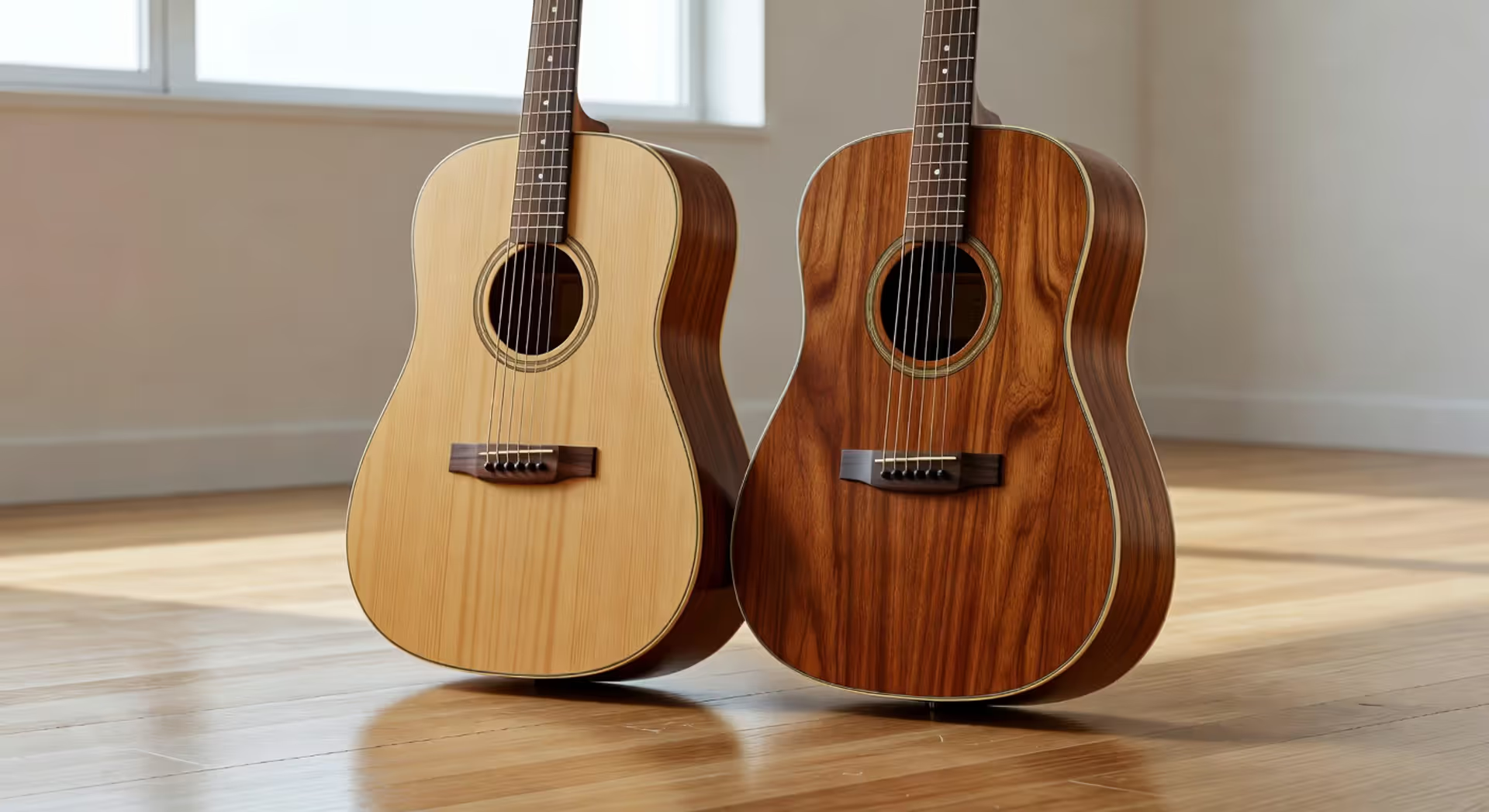
Okoume vs Mahogany for Acoustic Guitars
Okoume vs Mahogany for Acoustic Guitars

When you're shopping for an acoustic guitar or researching your next build, the back and sides wood choice matters more than most players realize. Two woods keep appearing in different price brackets: okoume and mahogany. They look different, sound different, and cost different amounts.
But here's the thing—okoume isn't just "budget mahogany." It's a distinct tonewood with its own character. Understanding what each brings to your guitar helps you make a smarter choice, whether you're spending $300 or $3,000.
Let's break down exactly how these woods compare and which one fits your playing style.
What Makes Tonewood Matter for Guitar Sound
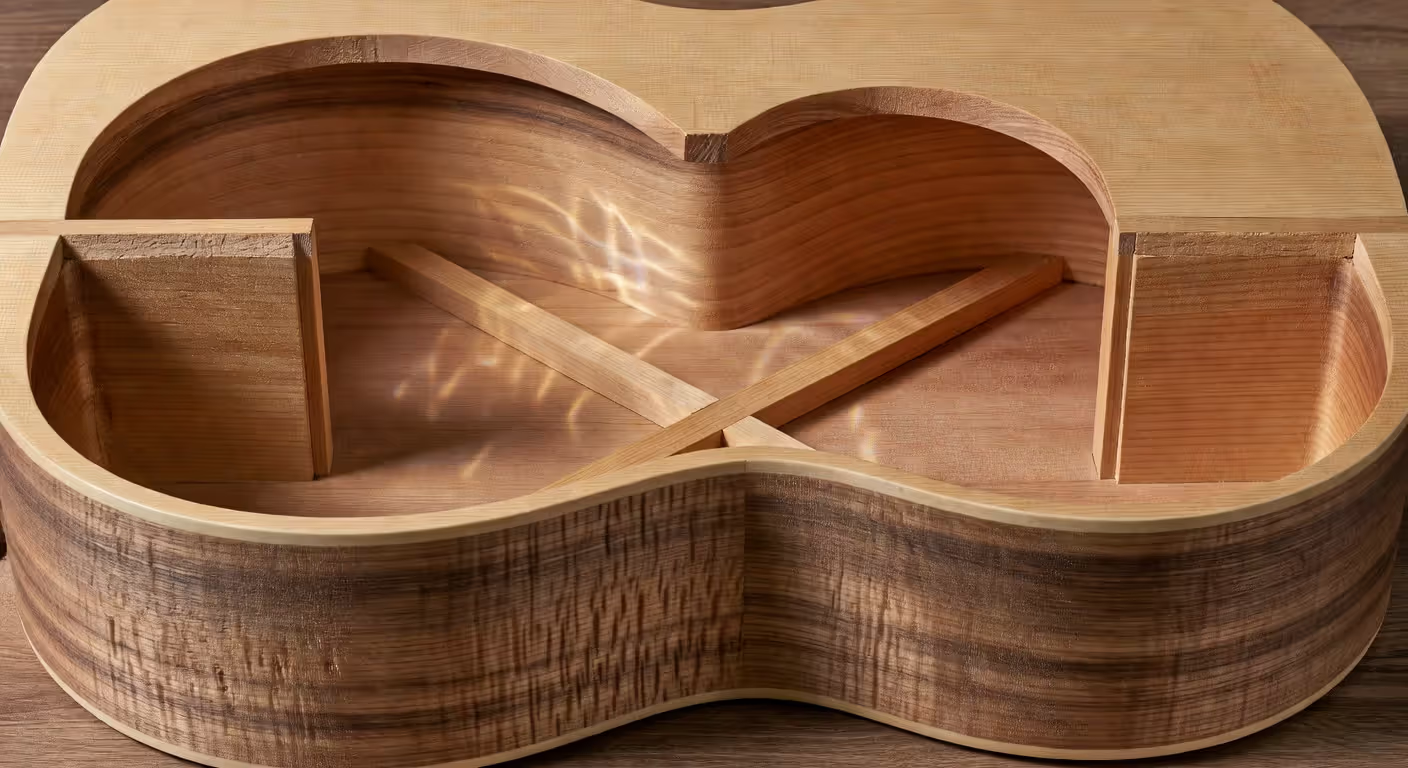
The wood forming your guitar's back and sides does real work. It reflects sound waves back through the soundhole after they bounce off the top. That reflection shapes your tone's color, sustain length, and volume.
Three physical properties drive these differences:
Density determines how quickly sound travels through the wood. Denser woods produce brighter, more focused tones. Lighter woods tend toward warmth and quick response.
Grain structure affects how evenly the wood vibrates. Tight, consistent grain creates balanced overtones across the frequency spectrum. Irregular grain can add character but sometimes muddies clarity.
Resonance describes how freely the wood vibrates at different frequencies. Some woods naturally emphasize bass. Others push midrange or treble forward.
Your top wood (spruce, cedar, etc.) generates the initial sound. But the back and sides act like an acoustic chamber, emphasizing certain frequencies while dampening others. Change the back and sides, and you change the guitar's voice—even with an identical top.
This isn't audiophile mythology. The pattern I see most often is players noticing projection differences first, then tonal color, then sustain characteristics as they spend time with different wood combinations.
Author: Declan Wrenford;
Source: lamat-records.com
Okoume Tonewood Properties and Characteristics
Okoume grows in equatorial West Africa, primarily Gabon and Cameroon. Botanically it's Aucoumea klaineana, part of the Burseraceae family—not a true mahogany despite sometimes being called "African mahogany" in marketing materials.
Density and weight: Okoume averages 420–450 kg/m³ when dried. That's notably lighter than most guitar tonewoods. You'll feel the difference immediately when you pick up an okoume-backed guitar.
Tonal profile: The low density creates a bright, articulate midrange. Attack is quick—notes bloom fast with minimal lag between pick strike and full volume. Bass response exists but stays tight rather than boomy. Sustain is shorter than denser woods, which some players love for percussive styles where notes need to separate cleanly.
The treble has presence without harshness. Fingerpickers often appreciate how individual notes stand out in complex patterns.
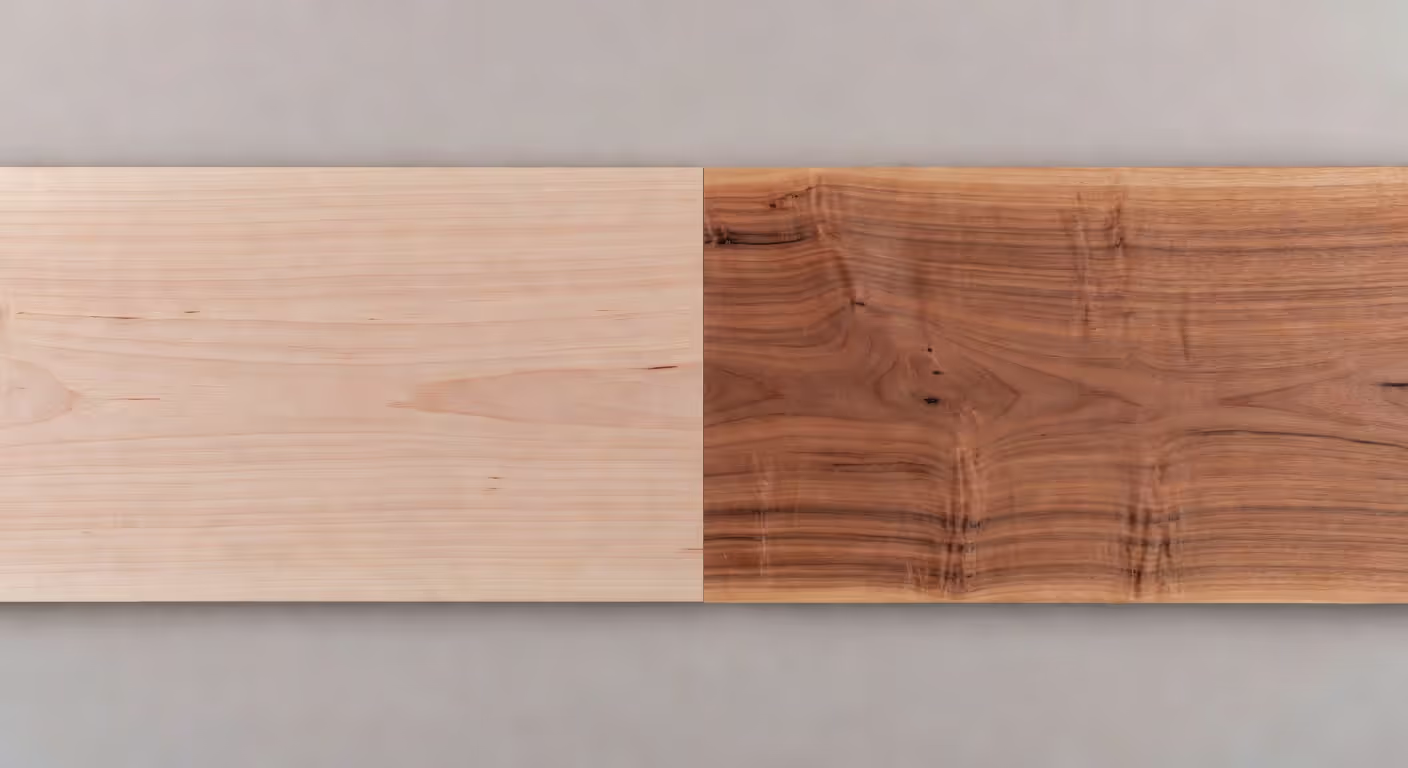
Visual appearance: The wood ranges from pale pink to salmon color when fresh, darkening to reddish-brown over years. Grain is usually straight with a medium texture. It's not particularly figured—you won't see dramatic flame or quilting. The look is clean and understated.
Durability: Okoume is softer than mahogany, making it more susceptible to dings and scratches. It's not fragile, but you'll want to be more careful with case edges and belt buckles. Workability is excellent, which partly explains its affordability—luthiers can shape it efficiently with less tool wear.
One thing to know: okoume's lightness makes it popular for travel guitars and budget instruments, but that association doesn't mean it's inherently inferior. Plenty of mid-priced guitars use okoume specifically for its tonal qualities, not just cost savings.
Mahogany Tonewood Properties and Characteristics
Mahogany comes from multiple species, but guitar makers typically use either genuine mahogany (Swietenia species from Central/South America) or sapele (Entandrophragma cylindricum from Africa), often marketed as "African mahogany." Both share similar tonal characteristics.
Density and weight: True mahogany sits around 560–600 kg/m³. Sapele runs slightly denser at 620–650 kg/m³. Either way, you're holding a noticeably heavier guitar compared to okoume.
Tonal profile: This is where mahogany built its reputation. The increased density produces warm, woody fundamentals with strong bass response. Overtones are present but balanced—nothing jumps out aggressively. The midrange has body and thickness that makes chords sound full.
Sustain is longer than okoume, letting notes ring and blend together. Strummers love this quality because it creates a lush, cohesive sound bed. The treble is smooth and rounded rather than sparkly.
Mahogany emphasizes the fundamental note over harmonics, which is why it's described as "warm" or "dry" compared to brighter woods like maple.
Visual appearance: Colors range from pale tan to deep reddish-brown, depending on species and age. Grain is typically straight to interlocked with a fine, even texture. Sapele often shows ribbon striping when quartersawn. The wood darkens beautifully with UV exposure and age.
Durability: Mahogany is harder and more impact-resistant than okoume. It holds up well to normal playing wear. Workability is good, though denser than okoume, requiring sharper tools and more effort to shape.
A common misconception: that all mahogany guitars sound dark and bassy. Body shape, top wood, and bracing matter just as much. A mahogany dreadnought sounds different from a mahogany parlor, even though they share the same back and sides.
Author: Declan Wrenford;
Source: lamat-records.com
Okoume vs Mahogany Sound Comparison
Put these woods side by side and the differences become obvious within the first few chords.
Tonal character: Okoume pushes the midrange forward with a brighter overall voice. Notes have a quick, punchy attack. Mahogany wraps everything in warmth, with stronger bass and smoother treble. The attack is slightly slower but fuller.
Frequency emphasis: Okoume highlights upper mids and lower treble (roughly 800 Hz–3 kHz). Mahogany emphasizes lower mids and bass (150 Hz–600 Hz) while gently rolling off the highest frequencies.
Projection: Here's where it gets interesting. Okoume's lighter weight means less mass to move, so it responds efficiently at lower volumes. Mahogany needs more energy input but projects with more authority when you dig in hard.
| Property | Okoume | Mahogany |
| Density | 420–450 kg/m³ (light) | 560–650 kg/m³ (medium-heavy) |
| Tone Character | Bright, articulate midrange | Warm, balanced, woody |
| Bass Response | Tight, controlled | Full, prominent |
| Treble Response | Present, clear | Smooth, rounded |
| Sustain | Shorter, notes separate quickly | Longer, notes blend and ring |
| Projection | Good at low-medium volumes | Strong when played hard |
| Price Range (US market) | $250–$800 typical | $400–$2,000+ typical |
Playing style considerations: Okoume excels for fingerstyle, Travis picking, and percussive techniques where note separation matters. The clarity helps individual lines stand out in complex arrangements. It records beautifully—that midrange presence cuts through a mix without EQ fighting.
Mahogany dominates for strumming, flatpicking, and singer-songwriter applications. The warm, full chords support vocals without competing. It's the classic folk and blues sound most people picture when they think "acoustic guitar."
Recording context: In a studio, okoume's natural brightness means you'll typically cut rather than boost EQ. It sits in a mix without much effort. Mahogany often needs a slight high-mid boost to maintain presence in dense arrangements, but its natural warmth keeps the low end from getting muddy.
Live performance: Mahogany's projection advantage shows up on stage. When you're competing with other instruments, that extra mass and sustain helps you fill sonic space. Okoume works great for quieter venues or when you're mic'd properly, but it can get lost in loud band contexts.
One player's experience I heard recently: switching from mahogany to okoume for home recording because the brighter tone required less processing and sounded more "finished" straight from the mic. But keeping the mahogany guitar for live gigs where projection mattered more than tonal nuance.
Price and Availability Differences
Walk into any US guitar store and you'll notice the price gap immediately. Okoume-backed guitars cluster in the $250–$800 range. Mahogany starts around $400 and stretches past $2,000 for premium instruments.
Why okoume costs less: Three main factors drive this. First, it grows faster than mahogany, reaching harvest size in 50–70 years versus 80–100+ for genuine mahogany. Second, it's easier to work with, reducing labor costs during manufacturing. Third, market perception—okoume hasn't achieved the prestige status mahogany earned over decades of use in high-end guitars.
But here's the thing: lower price doesn't mean lower quality in absolute terms. It means different properties and market positioning.
Availability in 2026: Genuine mahogany (Swietenia species) faces CITES restrictions due to overharvesting. Most "mahogany" guitars now use sapele or other alternatives. Supply is stable but prices continue climbing as regulations tighten.
Okoume remains readily available with fewer environmental concerns. Gabon manages its forests more sustainably than historical mahogany sources, and the faster growth cycle helps.
Value proposition: For okoume, you're getting a functional tonewood at an accessible price. The sound quality is real—not a compromise—just different. For mahogany, you're paying for a specific tonal character, longer history in guitar making, and generally better resale value.
The simpler option usually wins here if you're budget-conscious or prioritize specific tonal qualities over tradition. But if warm, classic acoustic tone matters more than price, mahogany justifies the extra cost.
Which Tonewood Should You Choose
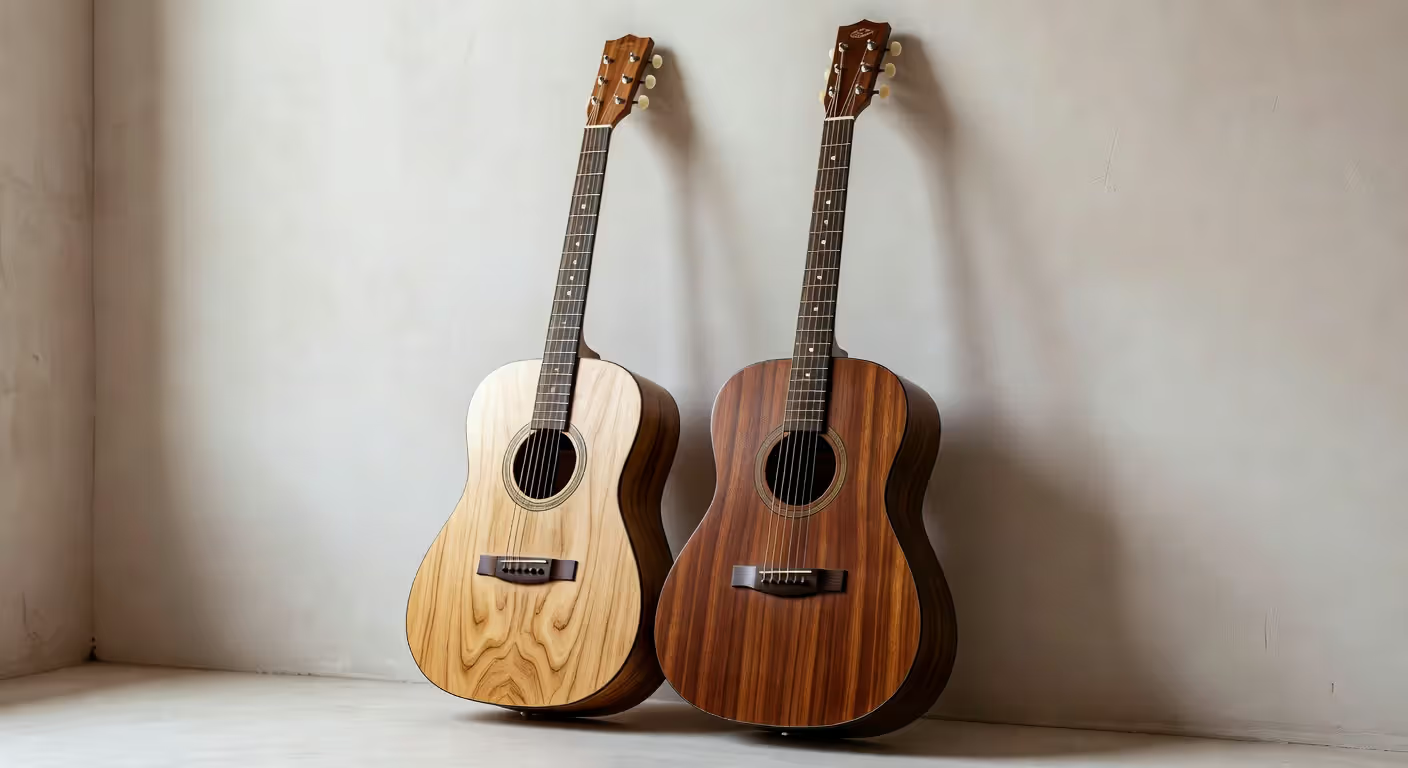
Let's get practical about who benefits most from each wood.
Author: Declan Wrenford;
Source: lamat-records.com
Choose okoume if:
You're buying your first decent acoustic and want maximum value. The bright, clear tone helps you hear what you're playing, making it easier to learn proper technique. Mistakes hide less in okoume's articulate voice.
You play fingerstyle or intricate picking patterns. That note separation and midrange clarity lets complex arrangements breathe.
You record frequently at home. Okoume's natural brightness sits in mixes beautifully without extensive EQ work.
You travel with your guitar. The lighter weight matters when you're carrying gear through airports or to gigs. Pair okoume with a smaller body size and you've got an extremely portable instrument.
You prefer modern, articulate tone over vintage warmth. Not everyone wants the classic singer-songwriter sound, and that's fine.
Choose mahogany if:
You're primarily a strummer or rhythm player. Those full, warm chords are exactly what mahogany does best.
You perform live regularly, especially in bands or louder venues. The projection and sustain help you compete for sonic space.
You want traditional acoustic guitar tone. If you grew up listening to folk, blues, or classic rock acoustics, mahogany delivers that sound.
Resale value matters to you. Mahogany guitars hold their value better and sell faster in the used market.
You're building a collection and want tonal variety. If you already own bright-sounding guitars, mahogany adds a different color to your palette.
The debate between okoume and mahogany is really about matching wood to purpose. I've built instruments with both, and each has a sweet spot. Okoume gives you immediate response and clarity—it's honest wood that shows you exactly what you're playing. Mahogany offers depth and warmth that makes everything sound a bit more musical, even if your technique isn't perfect. Neither is better. They're just different tools for different jobs.
— Peterson Dana
The mistake I see most often: choosing based solely on price or prestige rather than actual playing needs. A $500 okoume guitar that fits your style will make you happier than a $1,200 mahogany instrument that doesn't match how you play.
FAQ: Okoume and Mahogany Tonewood Questions Answered
The okoume versus mahogany choice comes down to honest assessment of how you play and what you need from your guitar. Both woods deliver real tonal qualities that serve different musical purposes.
If you value brightness, articulation, and affordability, okoume gives you legitimate performance at an accessible price. If you want warmth, projection, and traditional tone, mahogany justifies its higher cost. Neither choice is wrong—they're just different paths to making music.
The best approach? Play both if possible. Your ears and hands will tell you which wood connects with your style. Trust that feedback more than any spec sheet or online debate.
Related Stories
Read more

Read more

The content on this website is provided for general informational and educational purposes only. It is intended to explain concepts related to music production, recording, mixing, mastering, music industry roles, and distribution.
All information on this website, including articles, guides, and examples, is presented for general educational purposes. Results and success in music production may vary depending on skill level, equipment, and effort.
This website does not provide professional music production services or guarantees of commercial success, and the information presented should not be used as a substitute for consultation with qualified music producers, audio engineers, or music industry professionals.
The website and its authors are not responsible for any errors or omissions, or for any outcomes resulting from decisions made based on the information provided on this website.