
What Are Drumsticks Made Of
What Are Drumsticks Made Of?

Content
Content
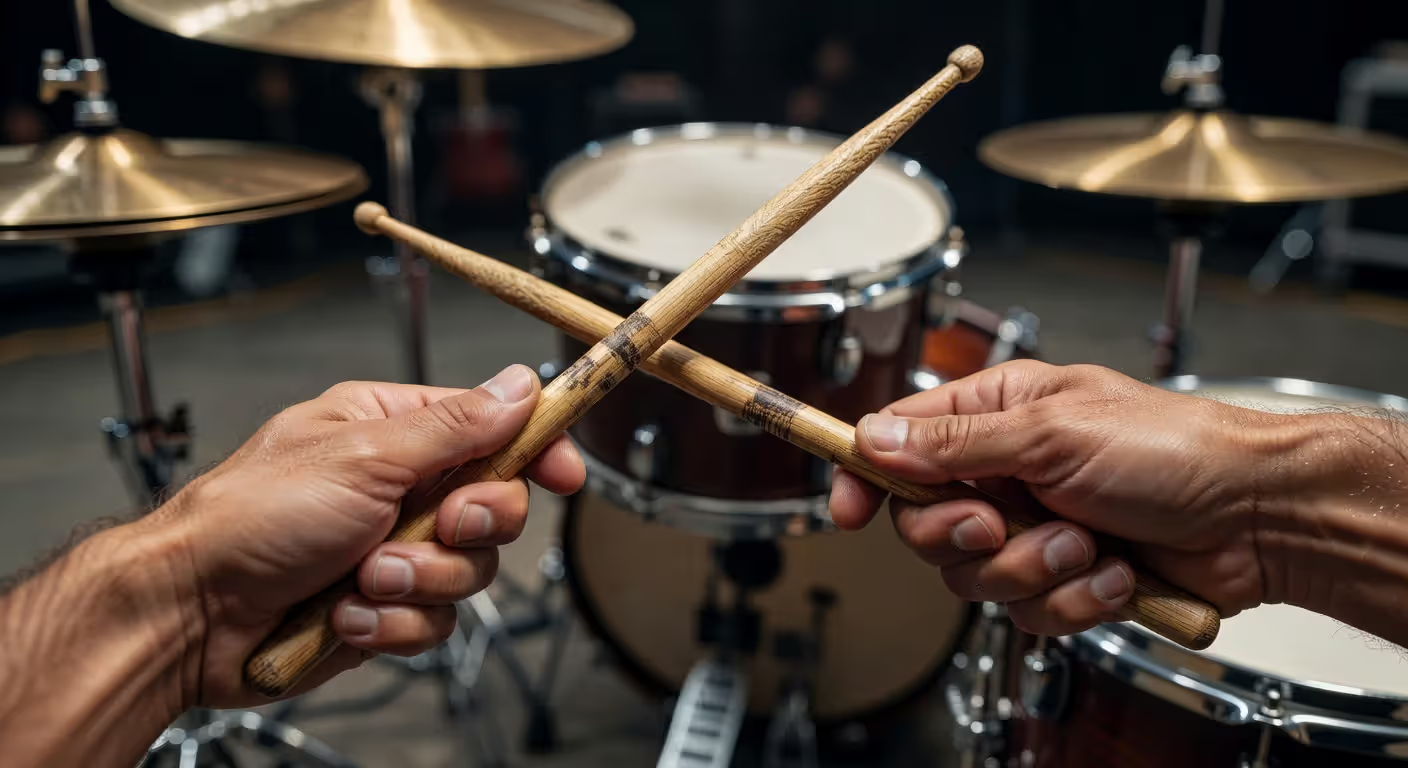
Drummers break sticks. A lot. So what those sticks are made from matters more than you might think.
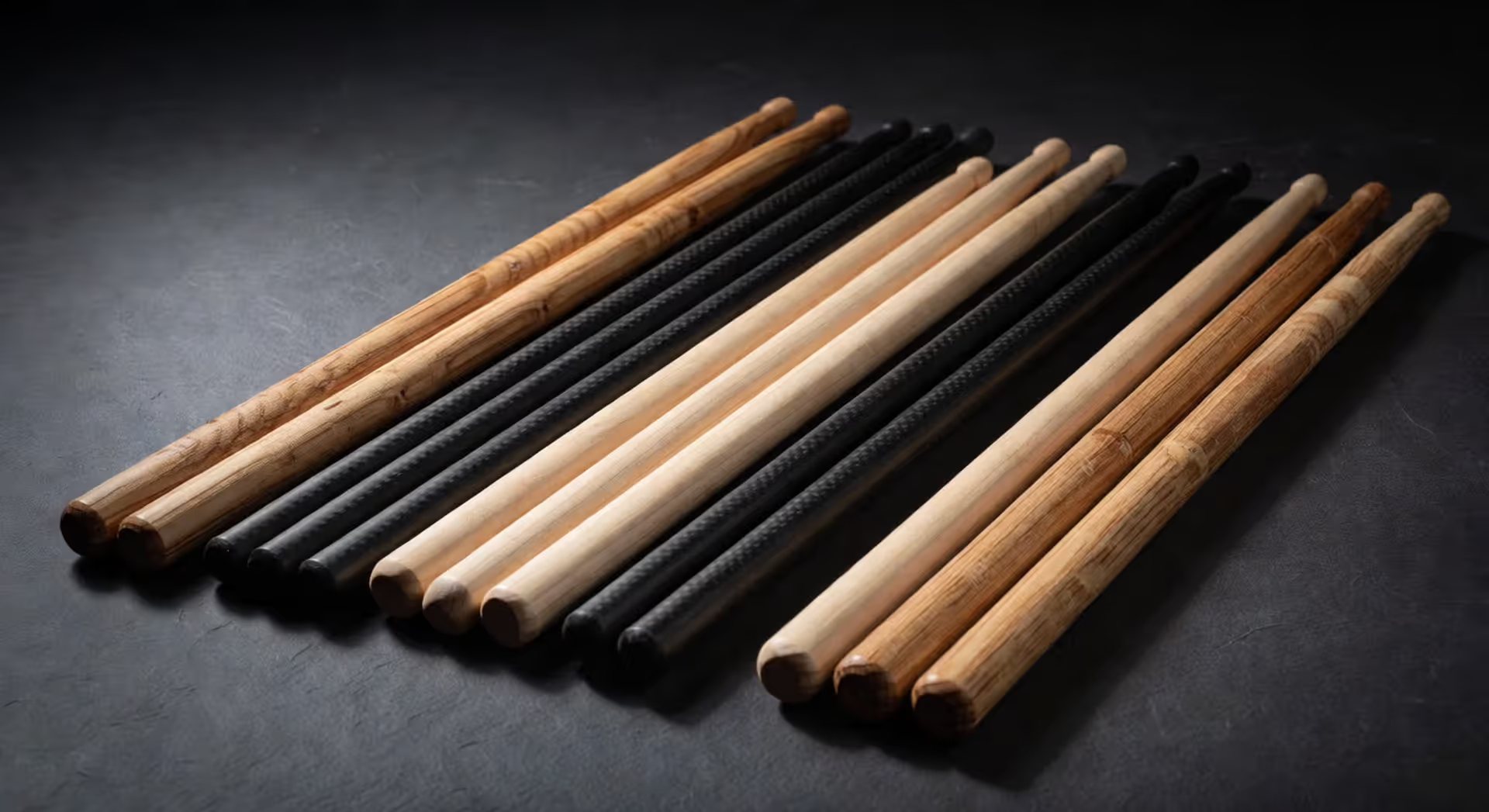
The material determines how your sticks feel in your hands, how long they last, and even how your drums sound. Most drumsticks come from wood, but you'll also find synthetic options that promise near-indestructibility. Each material brings its own personality to your playing.
Let's break down exactly what goes into making the sticks you hold every time you sit behind a kit.
Common Wood Types Used in Drumstick Manufacturing
Wood dominates the drumstick world for good reasons. It's naturally shock-absorbent, relatively lightweight, and gives you tactile feedback that synthetic materials struggle to match.
Three woods account for the vast majority of sticks you'll find in any music store: hickory, maple, and oak. Each has distinct characteristics that affect how the stick performs.
Hickory sits at the top of the popularity pyramid. It's the default choice for most manufacturers and drummers. Maple comes in second, favored by players who want something lighter. Oak shows up less frequently, appealing to heavy hitters who need extra durability.
The grain structure matters enormously. Tight, straight grain means a stronger stick that won't splinter as quickly. Manufacturers select wood carefully, looking for pieces without knots or irregular patterns that create weak points. Cheaper sticks often skip this quality control step, which is why they break faster.
Moisture content during manufacturing affects the final product too. Wood that's too wet will warp as it dries. Wood that's too dry becomes brittle. The sweet spot sits around 6-8% moisture content, which keeps sticks stable across different climates and playing conditions.
Hickory Drumsticks and Their Properties
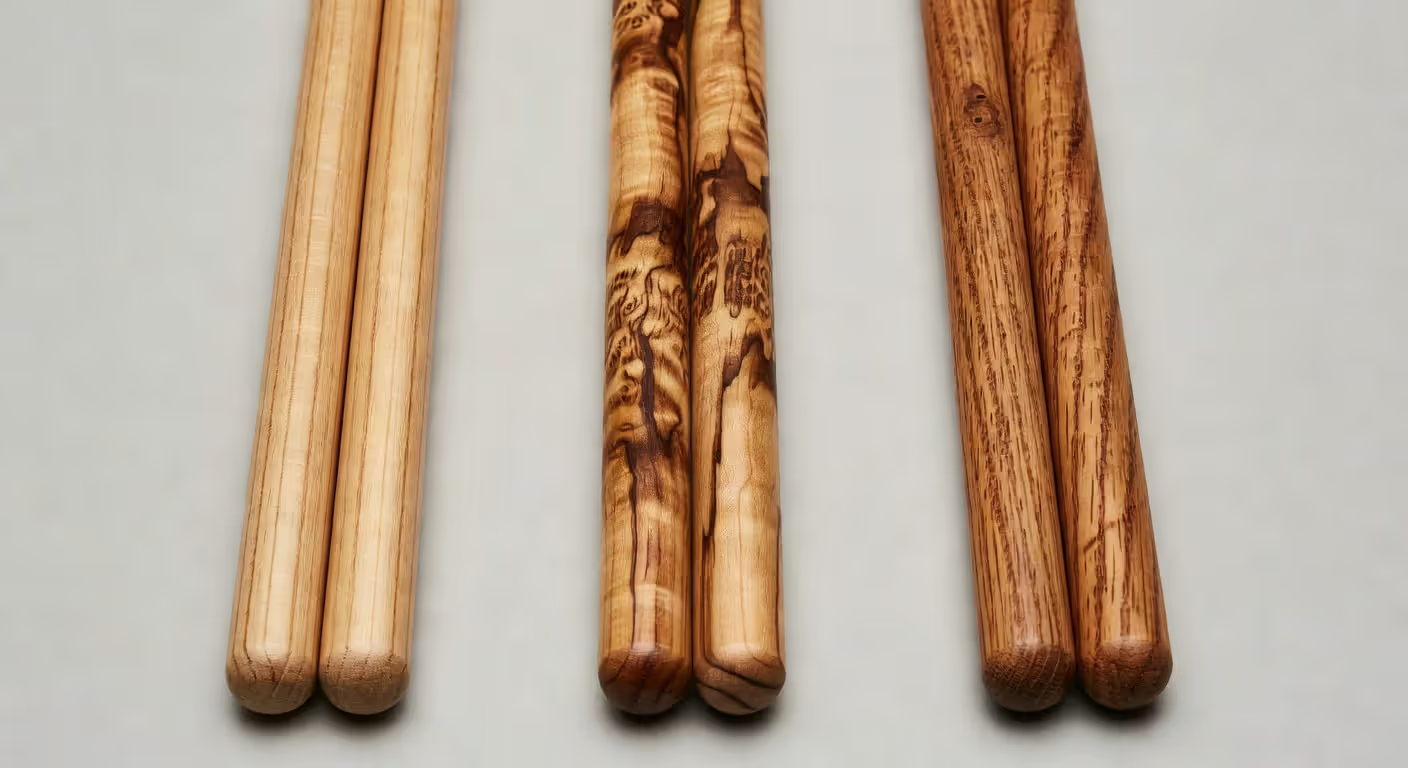
Hickory earned its reputation as the drumstick standard for a reason. This North American hardwood hits the ideal balance between strength and flexibility.
Author: Miles Arbordale;
Source: lamat-records.com
The density sits right in the middle range. Not too heavy, not too light. That middle ground gives you enough mass to produce solid volume without tiring your hands during long sessions. You can play for hours without feeling like you're swinging baseball bats.
Shock absorption is where hickory really shines. When you strike a cymbal or drum, the impact travels back up the stick into your hands. Hickory absorbs a significant portion of that shock, reducing fatigue and strain on your wrists and forearms. Players who've switched from oak to hickory often notice the difference immediately.
The wood flexes slightly on impact without breaking. That flex gives you a bit of rebound, helping the stick bounce back naturally. It creates a responsive feel that most drummers prefer. You're not fighting the stick—it's working with you.
Durability-wise, hickory lasts longer than maple but not quite as long as oak. A typical pair might survive anywhere from a few weeks to several months, depending on how hard you play and what surfaces you're hitting. Rimshots and cymbal bell strikes are the usual killers.
The pattern I see most often is drummers starting with hickory and only switching if they have a specific reason. It's the safe bet that works for almost everyone.
Maple Versus Hickory Drumsticks
This comparison comes up constantly because these two woods dominate the market.
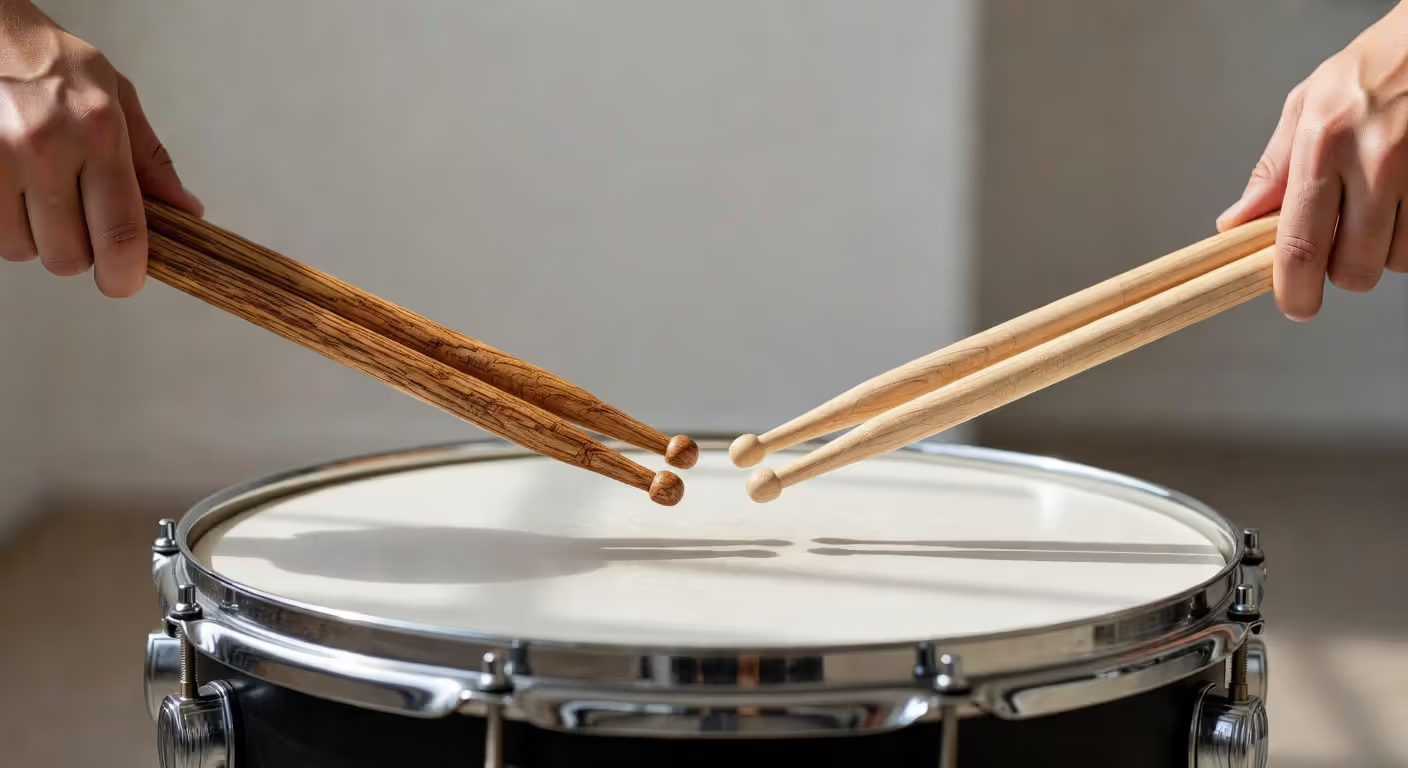
Maple weighs noticeably less than hickory. Pick up a pair of each in the same size, and you'll feel the difference immediately. That lighter weight appeals to jazz drummers, brush players, and anyone working on speed and finesse rather than power.
The reduced mass means maple sticks produce a slightly softer sound. You get less attack on cymbals, a gentler tone overall. For quiet gigs or recording sessions where you need control, maple delivers. But if you're playing loud rock or metal, you might feel like you're working harder to cut through the mix.
Author: Miles Arbordale;
Source: lamat-records.com
Flex differs between the two. Maple bends more than hickory, giving you a whippier feel. Some drummers love that extra flex for fast passages. Others find it less precise, especially on heavy cymbals where they want a solid, direct response.
Longevity isn't maple's strong suit. The wood is softer and less dense, so it chips and splinters faster. If you're a hard hitter, you'll burn through maple sticks quickly. Hickory typically outlasts maple by a significant margin—sometimes twice as long under identical playing conditions.
Playing style should guide your choice. Light touch? Maple might suit you perfectly. Heavy hitter? You'll probably prefer hickory's durability and solid feel. Genre matters too. Jazz and orchestral players lean toward maple. Rock, metal, and funk drummers stick with hickory.
Price differences are minimal. Both woods fall into similar price ranges, so cost shouldn't be your deciding factor.
Other Wood Options for Drumsticks
Beyond the big two, several specialty woods serve niche purposes.
Oak represents the heavyweight option. It's denser and harder than either hickory or maple, making it the most durable wood you can buy. Drummers who break sticks constantly sometimes switch to oak out of frustration and financial necessity.
But that durability comes with tradeoffs. Oak sticks feel heavy and rigid. They don't absorb shock as well, so your hands and wrists take more punishment. The extra weight can tire you out faster too. Most players find oak too unforgiving for extended use.
Birch falls somewhere between maple and hickory in density. It's not common in the US market but shows up more frequently in European-made sticks. The wood offers decent durability with a bright, articulate tone. If you find one, it's worth trying.
Rosewood and other exotic hardwoods appear occasionally in specialty or handmade sticks. These are usually expensive and marketed toward collectors or players seeking specific tonal qualities. Rosewood is extremely dense and produces a dark, warm tone, but it's heavy and can feel cumbersome.
The reality is that most drummers never venture beyond hickory and maple. The other woods serve specific needs but don't offer enough advantages to displace the established favorites.
Synthetic and Alternative Drumstick Materials
Not everything comes from a tree anymore.
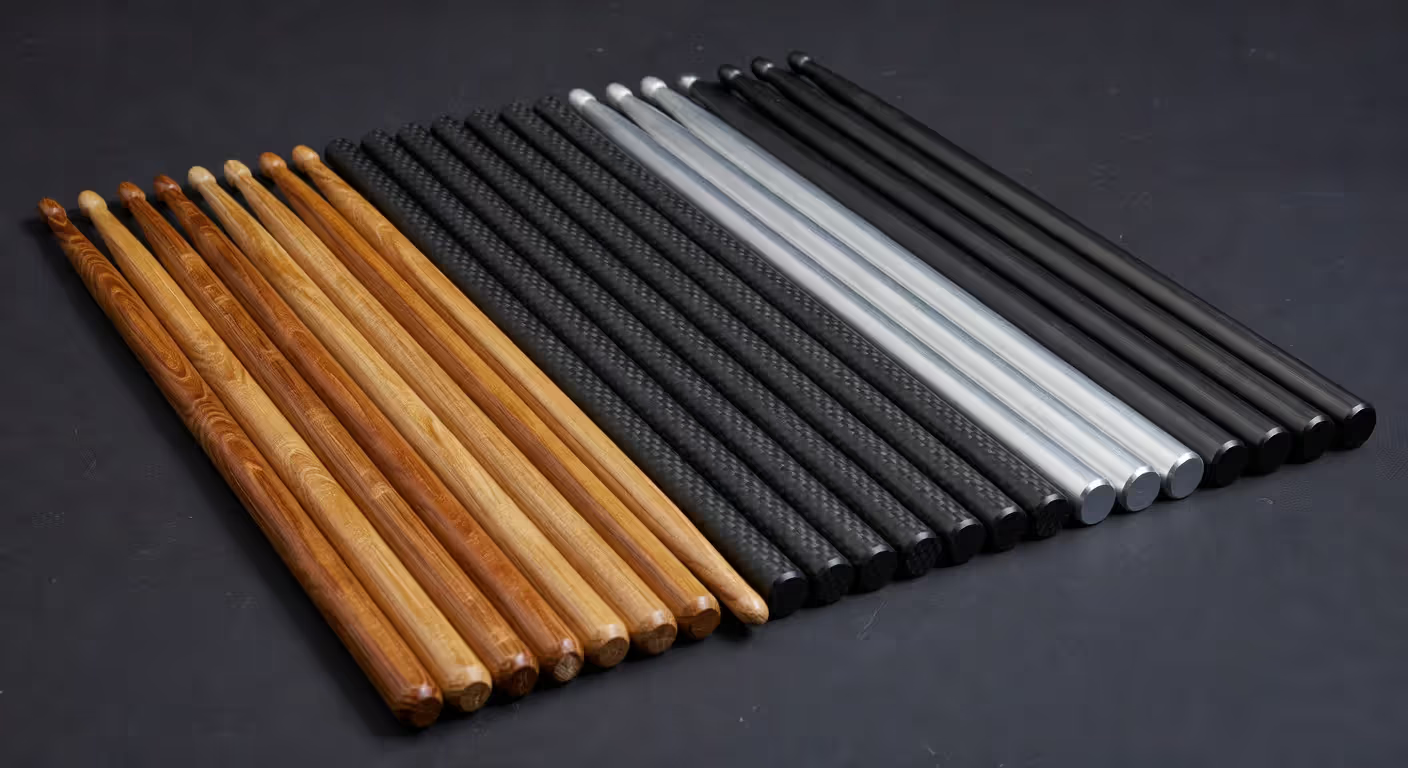
Carbon fiber sticks entered the market promising virtually indestructible performance. And they deliver on that promise. You can beat on these sticks for months without visible wear. For drummers who go through multiple pairs of wood sticks every week, the economics make sense.
The feel is different though. Carbon fiber doesn't absorb shock like wood. Every impact transmits directly into your hands, which can lead to fatigue and strain. Some players adapt fine; others can't stand it. The lack of natural flex changes the rebound characteristics too, creating a stiffer, less organic response.
Author: Miles Arbordale;
Source: lamat-records.com
Sound quality suffers in most players' opinions. Carbon fiber produces a harsh, clicky tone on cymbals that many drummers find unpleasant. It works better on practice pads than on actual drums.
Aluminum sticks exist but remain uncommon. They're durable and consistent, but even heavier and more rigid than carbon fiber. Most drummers find them too uncomfortable for regular use.
Plastic-coated wood sticks attempt a middle ground. The wood core provides familiar feel and shock absorption, while the plastic coating extends durability. These work reasonably well, though the coating can feel slippery when your hands sweat.
Are synthetic sticks worth buying? It depends on your priorities. For practice pads and situations where durability trumps everything else, sure. For actual performance where tone and feel matter, most professionals stick with wood.
How Drumstick Material Affects Durability and Performance
Several factors beyond wood species determine how long your sticks last and how they perform.
Grain orientation matters enormously. Sticks cut with the grain running lengthwise along the shaft are significantly stronger than those cut across the grain. Quality manufacturers pay attention to this; budget brands often don't. That's why some cheap sticks break on the first session while others last surprisingly long—it's not just the wood species but how it was cut.
Manufacturing tolerances affect consistency. Better sticks are matched for weight and pitch (the sound they make when you tap them together). Matched pairs play identically, which matters more than you'd think. Mismatched sticks force you to adjust your technique slightly for each hand, leading to uneven playing and faster fatigue.
Tip material creates another performance variable. Wood tips produce a warmer, more complex tone on cymbals. Nylon tips sound brighter and more articulate, plus they last much longer. The nylon won't chip or wear down like wood does.
But nylon tips can fall off. The glue joint eventually fails, usually at the worst possible moment during a gig. Wood tips can't fall off because they're part of the stick, though they do wear down and change shape over time.
Moisture exposure during storage affects wood sticks. Leaving them in a hot car or damp basement changes the wood's properties. Sticks can warp, crack, or become brittle. Store them in a climate-controlled environment when possible.
Finish type matters less than you'd think. Lacquer, varnish, or bare wood—players have strong preferences, but the actual performance differences are minimal. Finish affects grip feel more than durability or tone.
Hickory has been the gold standard for decades because it offers the perfect balance of weight, response, and durability. You can play any style with hickory sticks and they'll perform exactly as you need them to.
— Thomas Lang
Choosing the Right Drumstick Material for Your Playing Style
Your genre and technique should drive your material choice more than anything else.
Jazz and light playing suit maple perfectly. The lighter weight enables faster, more delicate work. You don't need the extra durability because you're not hitting as hard. The softer tone complements the musical style.
Rock, metal, and aggressive styles demand hickory or even oak. You need sticks that can survive repeated rimshots and heavy cymbal crashes. The extra durability justifies any small increase in weight.
Practice versus performance creates different needs. Many drummers use cheaper sticks or even synthetic options for practice, saving their premium wood sticks for gigs. This extends the life of their good sticks and reduces costs.
Volume requirements matter too. Playing in a loud band without amplification? You need the mass and density of hickory or oak to project. Playing with microphones or in quieter settings? Maple's lighter touch works fine.
Technique issues sometimes point toward specific materials. If you're experiencing wrist pain or fatigue, switching from oak to hickory or hickory to maple might help by reducing shock transmission and overall weight.
Budget considerations are real. If you're breaking multiple pairs per month, synthetic sticks or cheaper wood options might make financial sense while you refine your technique. But don't sacrifice feel and performance if you can avoid it.
Common mistake: buying sticks based on what your favorite drummer uses. Their needs might be completely different from yours. Try different materials yourself and trust your own hands.
Author: Miles Arbordale;
Source: lamat-records.com
Comparison of Drumstick Materials
| Material | Weight | Durability | Flex | Shock Absorption | Price Range | Best For |
| Hickory | Medium | High | Moderate | Excellent | $10-$20 | All-around use, most genres |
| Maple | Light | Moderate | High | Good | $10-$20 | Jazz, light playing, speed work |
| Oak | Heavy | Very High | Low | Fair | $12-$22 | Heavy hitters, extreme durability needs |
| Carbon Fiber | Medium | Extreme | Very Low | Poor | $25-$50 | Practice pads, budget-conscious heavy players |
The table shows why hickory dominates. It doesn't win any single category outright, but it scores well across all factors. That versatility makes it the safe choice for most situations.
FAQ: Drumstick Materials Questions Answered
The material you choose shapes your entire playing experience. Start with hickory if you're unsure—it works for almost everyone. Experiment with maple if you want something lighter or oak if you need extra durability. And don't be afraid to try synthetic options for practice situations where durability matters most. Your hands will tell you what works.
Related Stories
Read more
Read more

The content on this website is provided for general informational and educational purposes only. It is intended to explain concepts related to music production, recording, mixing, mastering, music industry roles, and distribution.
All information on this website, including articles, guides, and examples, is presented for general educational purposes. Results and success in music production may vary depending on skill level, equipment, and effort.
This website does not provide professional music production services or guarantees of commercial success, and the information presented should not be used as a substitute for consultation with qualified music producers, audio engineers, or music industry professionals.
The website and its authors are not responsible for any errors or omissions, or for any outcomes resulting from decisions made based on the information provided on this website.