

What Does a Manager Do for an Artist
What Does a Manager Do for an Artist?

Content
Content
If you've ever wondered how independent musicians suddenly land festival slots, secure brand deals, or navigate complex contracts without drowning in paperwork, there's usually one person orchestrating it all behind the scenes. An artist manager wears dozens of hats—negotiator, strategist, therapist, bodyguard, and sometimes even roadie. They're the buffer between creative vision and business reality, translating an artist's talent into sustainable career momentum. But what exactly fills their calendar from morning coffee to midnight emails? Let's break down the real work that goes into artist management, from the glamorous wins to the unglamorous spreadsheets.
The Core Responsibilities of an Artist Manager
The role of an artist manager centers on five pillars that support every decision and action they take. First comes contract negotiation—managers review and negotiate deals with labels, publishers, venues, and brands, ensuring terms protect the artist's interests and maximize revenue. They're the ones reading the fine print at 2 a.m., flagging clauses that could lock an artist into unfavorable terms for years.
Second is booking and tour coordination. While booking agents handle the actual venue deals, managers oversee the big picture: Does this tour routing make financial sense? Will back-to-back shows in different time zones burn out the artist? They coordinate with agents, tour managers, and promoters to build itineraries that balance income with career strategy.
Brand development sits at the heart of long-term success. Managers help shape public perception—choosing which collaborations align with the artist's image, deciding when to pivot genres or aesthetics, and determining which opportunities to decline. Saying "no" is often more valuable than saying "yes."
Financial oversight keeps the operation solvent. Artist manager duties include budgeting for recordings, tracking revenue streams, coordinating with accountants, and making sure everyone gets paid on time. Many artists have been blindsided by tax bills or mismanaged royalties; a good manager prevents those disasters before they happen.
Finally, career strategy ties it all together. Where should this artist be in two years? Five years? Managers map out release schedules, identify growth markets, and adjust tactics as the industry shifts. They're part fortune-teller, part chess player.

Author: Lena Corwyn;
Source: lamat-records.com
How Managers Help Musicians Build Their Careers
Manager support for artists starts with access. A connected manager opens doors that remain locked to unrepresented musicians. They've got the email addresses, the trust, and the track record that gets responses from A&R reps, playlist curators, and festival bookers. How managers help musicians often comes down to one word: credibility. When a respected manager vouches for an artist, industry gatekeepers pay attention.
Opportunity identification separates great managers from mediocre ones. The music business moves fast—sync licensing opportunities, last-minute festival slots, viral marketing moments—and managers need to spot the right ones while filtering out distractions. I've watched artists waste months chasing shiny opportunities that looked impressive but offered zero strategic value.
Strategic planning converts talent into trajectory. Managers help musicians answer tough questions: Should you release singles or save tracks for an album? Is this the right time to fire your drummer? Should you invest $15,000 in a music video or put that budget toward tour support? These decisions compound over time, and wrong choices can stall a career for years.
Protecting artist interests means being the bad cop so the artist can stay the good cop. Managers handle disputes with promoters who don't pay, labels that miss deadlines, or collaborators who overstep boundaries. This preserves the artist's relationships and reputation while still enforcing professional standards.
One pattern stands out across successful artist-manager partnerships: the manager thinks three moves ahead while the artist focuses on the current project. That division of mental labor prevents burnout and keeps both creative and business priorities moving forward.
Day-to-Day Tasks and Activities of a Music Manager
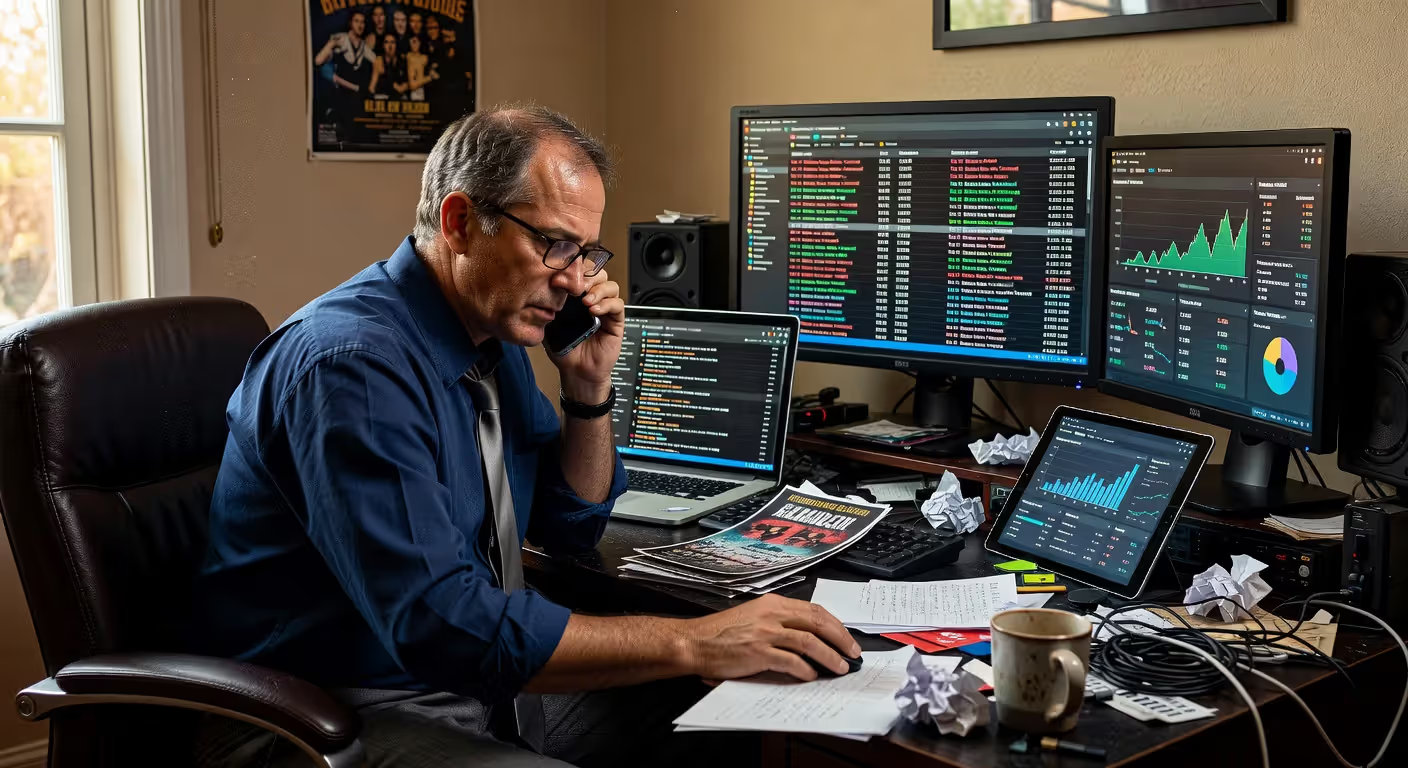
The day to day of a music manager looks less like champagne toasts and more like inbox warfare. A typical morning starts with 40+ emails—venue confirmations, contract revisions, press requests, team updates, and the inevitable crisis that erupted overnight. Managers triage ruthlessly: What needs an immediate response? What can wait? What can be delegated?
Phone calls fill the gaps between emails. A manager might spend an hour negotiating a festival fee, then jump to a call with a graphic designer about merch designs, then troubleshoot a hotel booking error for next month's tour. Context-switching is the job.
Coordinating with venues, labels, and other stakeholders consumes huge chunks of time. A single tour requires dozens of moving pieces—travel logistics, hospitality riders, sound checks, local promotion, guest lists—and the manager ensures nothing falls through the cracks. When something does go wrong (and it always does), they're the first call.
Scheduling sounds simple until you're juggling recording sessions, photo shoots, interviews, writing sessions, rehearsals, and personal commitments across multiple time zones. Managers maintain the master calendar and play Tetris with availability, often rearranging everything when one piece shifts.
Problem-solving never stops. The drummer quit three weeks before tour. The music video director missed the deadline. A journalist published inaccurate information. The streaming numbers plateaued. Managers don't need to solve every problem personally, but they need to mobilize the right people quickly.
Administrative work—expense tracking, contract filing, royalty statements, insurance paperwork—is unglamorous but non-negotiable. Sloppy admin leads to missed payments, legal exposure, and financial chaos.
Author: Lena Corwyn;
Source: lamat-records.com
The Manager and Artist Relationship Dynamic
The manager and artist relationship works best when it mirrors a marriage more than an employment arrangement. Trust forms the foundation—artists share financial details, personal struggles, and career fears with their managers. Without that trust, the partnership crumbles under pressure.
Communication expectations need clear definition from day one. How often will you check in? What decisions require mutual agreement versus manager autonomy? Some artists want daily updates; others prefer weekly summaries. Mismatched communication styles breed resentment fast.
Decision-making processes should balance artist vision with manager expertise. The artist has final say on creative choices—which songs make the album, what the artwork looks like, whether to take a controversial stance publicly. The manager leads on business decisions—contract terms, budget allocation, team hires—but smart managers still explain their reasoning and invite input.
Boundaries matter. Managers aren't therapists, romantic partners, or parents, even when they provide emotional support. The best managers recognize when an artist needs professional mental health help rather than another pep talk. They also protect their own time—constant availability leads to burnout on both sides.
This relationship works best when the artist is coachable but not passive, and when the manager is confident but not controlling. Red flags include managers who dismiss artist concerns, artists who ignore all advice, or either party making major decisions without consulting the other.
The partnership typically evolves through phases. Early on, the manager does more hands-on work—maybe even driving the van. As the career grows, they shift toward high-level strategy and team management. Artists who don't recognize this evolution sometimes feel abandoned; managers who don't delegate effectively become bottlenecks.
What Artist Management Involves Beyond the Basics
What artist management involves extends far past contracts and bookings into territory most people never see. Mental health support has become a core (if unofficial) part of the job. Managers often notice warning signs first—erratic behavior, substance issues, depression—and need to intervene carefully. They're not qualified therapists, but they can connect artists with proper resources and create space for recovery.
Team coordination gets complex as careers grow. A successful artist might work with a booking agent, publicist, social media manager, stylist, vocal coach, attorney, accountant, and label team. The manager conducts this orchestra, ensuring everyone has the information they need and no one's duplicating effort or working at cross-purposes.
Crisis management tests every manager eventually. A PR disaster, a lawsuit, a health emergency, a viral controversy—these situations demand fast thinking and steady nerves. The manager's job is containing damage, communicating with stakeholders, and protecting the artist's long-term interests while emotions run high.
Long-term vision planning separates sustainable careers from flash-in-the-pan success. Managers push artists to think beyond the next release: What legacy do you want to build? How do you want to diversify income? When do you transition from touring artist to producer or label owner? These conversations feel premature when you're struggling to fill 200-cap rooms, but they shape the trajectory.
One underrated aspect: managers often serve as the artist's institutional memory. They remember which promoter shorted payment in 2023, which journalist wrote a thoughtful review, which city showed strong fan engagement. That historical knowledge informs better decisions over time.

Author: Lena Corwyn;
Source: lamat-records.com
When an Artist Needs a Manager vs. Self-Management
Knowing when you're ready for management saves years of frustration. You probably need a manager when you're turning down opportunities because you can't handle the logistics, when you're spending more time on emails than creating, or when you're consistently leaving money on the table because you don't know how to negotiate.
Revenue is a practical benchmark. If you're generating less than $30,000–50,000 annually from music, you might not generate enough to justify a manager's typical 15–20% commission. The math has to work for both parties.
Signs you're ready include: you've built a genuine fanbase (not just social media followers), you're receiving unsolicited industry interest, you have regular income from multiple sources (streaming, shows, merch, sync), and you've maxed out your own capacity to grow without professional help.
Cost considerations go beyond commission. A good manager will increase your income enough to cover their percentage and then some. A mediocre manager just takes a cut of what you'd earn anyway. Before signing, ask: What specific opportunities will you pursue? Who's in your network? What's your track record with artists at my level?
DIY alternatives work well in early stages. Tools like Bandsintown, Submithub, and artist services platforms let you handle booking, promotion, and distribution yourself. Some artists hire part-time assistants or virtual coordinators for admin work at lower cost than full management. You can also join artist collectives where members share knowledge and resources.
What to look for in a manager: proven connections in your genre, a roster small enough that you won't get lost, compatible communication style, enthusiasm about your specific project (not just generic interest), and transparency about what they can and can't deliver. Beware of managers who promise guaranteed results or who ask for money upfront—legitimate managers work on commission.
The simpler option usually wins here: if you're not sure you need a manager, you probably don't yet. When the need becomes obvious, you'll know.
| Role | Primary Focus | Typical Compensation | When You Need Them | Main Responsibilities |
| Artist Manager | Overall career strategy and business operations | 15–20% commission on gross income | When opportunities exceed your capacity to manage them | Contract negotiation, team coordination, career planning, financial oversight, daily problem-solving |
| Booking Agent | Securing live performance opportunities | 10–15% commission on show fees | When you're ready to tour beyond local/regional shows | Routing tours, negotiating performance fees, coordinating with promoters and venues |
| Publicist | Media coverage and public image | Monthly retainer ($2,000–$10,000+) or project fee | When you have a release, tour, or news worth promoting | Pitching to media, managing press requests, crafting narratives, crisis communication |
The best artist managers are the ones who can see around corners—they're anticipating problems before they happen and positioning their artists for opportunities that don't exist yet. It's not about reacting to the industry; it's about shaping where it's going.
— Goldberg Shep
FAQ: Artist Manager Questions Answered
Understanding what a manager does for an artist reveals why the right partnership can accelerate a career while the wrong one stalls it. The best managers combine business savvy with genuine belief in their artists, handling the unglamorous logistics so musicians can focus on what they do best. Whether you're ready for management now or building toward that point, knowing what the relationship entails helps you make smarter decisions about when to seek representation, what to expect, and how to evaluate whether someone's the right fit for your specific goals.
Related Stories

Read more

Read more




The content on this website is provided for general informational and educational purposes only. It is intended to explain concepts related to music production, recording, mixing, mastering, music industry roles, and distribution.
All information on this website, including articles, guides, and examples, is presented for general educational purposes. Results and success in music production may vary depending on skill level, equipment, and effort.
This website does not provide professional music production services or guarantees of commercial success, and the information presented should not be used as a substitute for consultation with qualified music producers, audio engineers, or music industry professionals.
The website and its authors are not responsible for any errors or omissions, or for any outcomes resulting from decisions made based on the information provided on this website.