
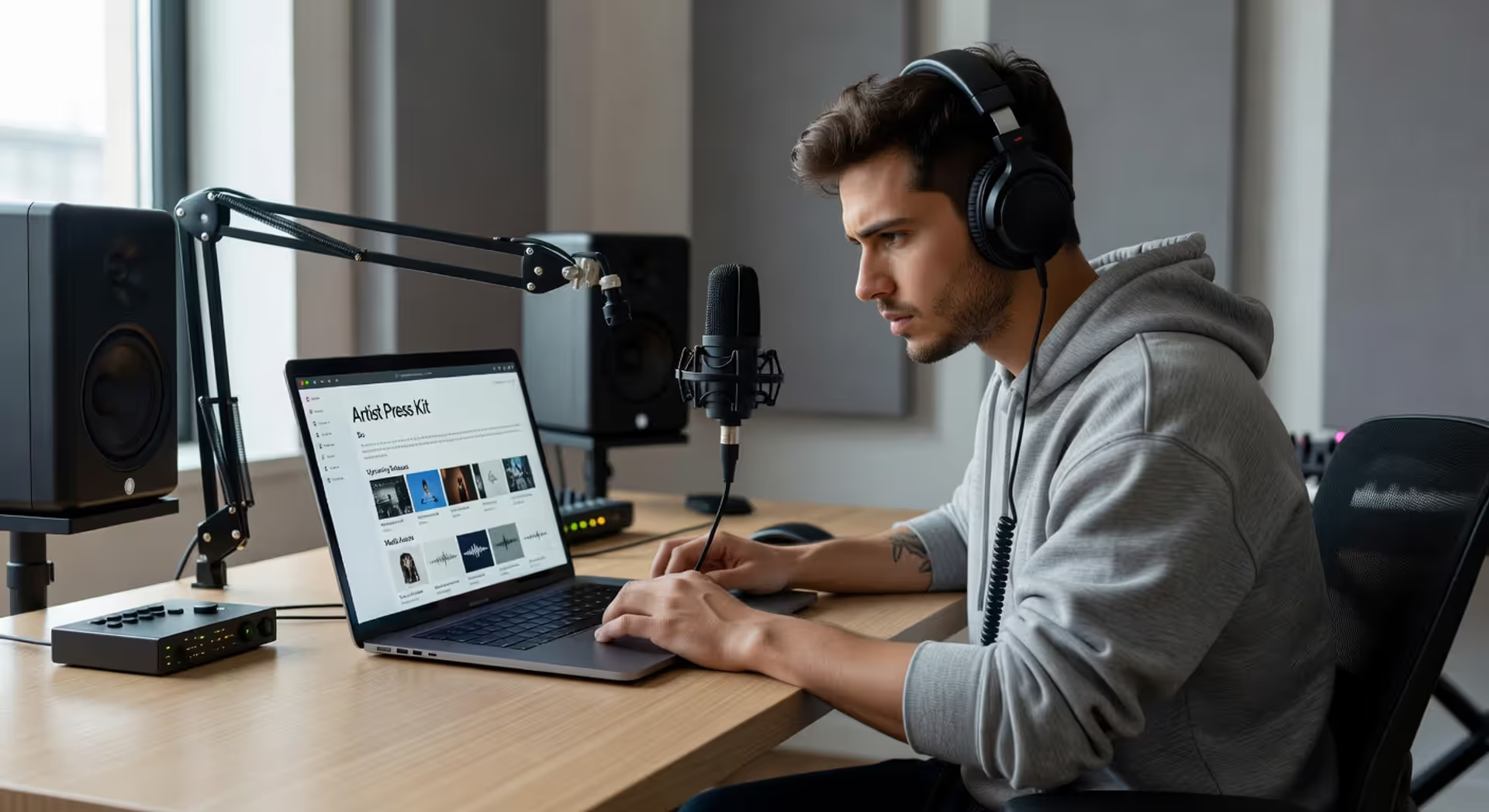
What Is a EPK and Why Do Artists Need One
What Is a EPK and Why Do Artists Need One?
Musicians and artists need a way to introduce themselves to industry professionals. That's where an EPK comes in. Short for electronic press kit, it's the digital package that can open doors to gigs, media coverage, and career opportunities. Think of it as your professional handshake in digital form—a one-stop resource that tells your story, showcases your work, and makes it easy for bookers, journalists, and promoters to say yes.
Understanding the Electronic Press Kit
An electronic press kit is exactly what is a epk at its core: a digital collection of promotional materials that artists use to pitch themselves to venues, media outlets, festivals, and industry gatekeepers. Unlike the traditional press kits that musicians used to mail in bulky folders, an EPK lives online and can be shared instantly via a link.
The electronic press kit explained simply: it's your professional portfolio designed specifically for music industry decision-makers. Where a resume lists your work history, an EPK demonstrates your artistry, your audience reach, and your readiness to perform or be featured.
Traditional press kits required printing photos, burning CDs, and shipping physical packages. Expensive and slow. The digital version solves those problems while adding features like embedded audio players, video links, and real-time updates. You can change your EPK the moment you have new press coverage or release fresh content.
Who uses them? Pretty much everyone in the music business. Solo artists, bands, DJs, producers, and even music industry professionals like managers and publicists maintain EPKs. If you're trying to book shows, get press coverage, or pitch to festivals, you need one.
The format has become the industry standard because it respects everyone's time. A booking agent can review your EPK in five minutes and decide whether you're a fit. That efficiency matters when they're reviewing dozens of submissions weekly.
Author: Miles Arbordale;
Source: lamat-records.com
Core Components That Go in Every Press Kit
What goes in a press kit isn't mysterious. The epk essentials follow a predictable pattern because industry professionals expect certain information. Miss a key component and you'll lose opportunities.
Every solid EPK includes these press materials for musicians: a professional bio, high-quality photos, music samples, video content, contact information, press clippings or reviews, and social proof like streaming numbers or follower counts. Each piece serves a specific purpose in convincing someone to work with you.
Professional Photos and Visual Assets
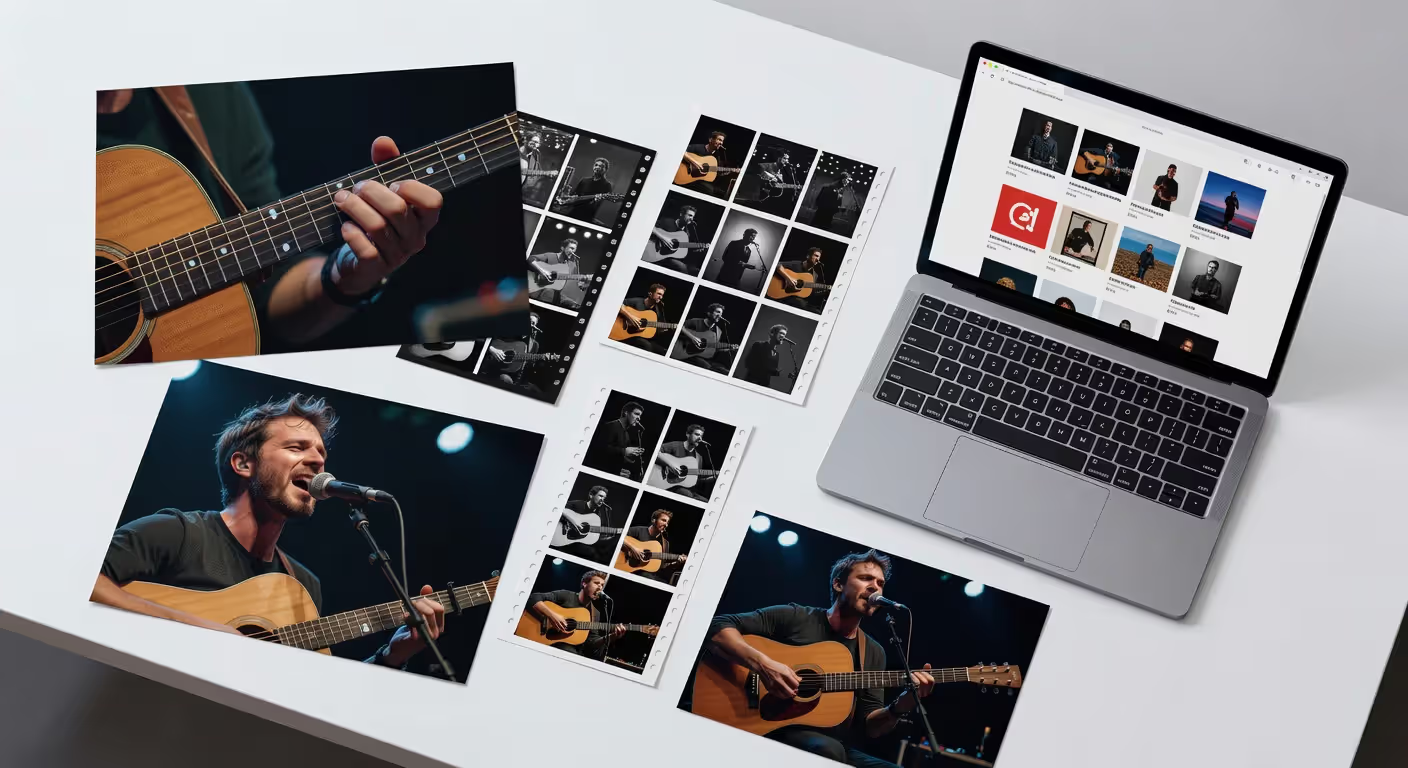
Photos tell your visual story before anyone hears a note. You need at least three types: a professional headshot or band photo, an action shot from a live performance, and a high-resolution press photo suitable for print media.
Quality matters more than quantity. One great photo beats ten mediocre ones. Bookers and journalists will judge your professionalism partly on image quality. Blurry phone photos from a dark club don't cut it.
Include both color and black-and-white options. Provide images in multiple resolutions—web-friendly versions for quick loading and high-res files (300 dpi minimum) for print publications. Make downloads easy with clearly labeled files.
The pattern I see most often is artists including only one photo, forcing every blog post and festival program to use the same tired image. Give them options.
Music Samples and Video Content
Your music is the main attraction. Include 3-5 of your strongest tracks, not your entire discography. Lead with your best song—the one that represents your sound and hooks listeners fastest.
Streaming embeds work better than downloadable files. Use SoundCloud, Spotify, or YouTube players that let people listen without leaving your EPK. Make sure the embedded player works on mobile devices.
Video content has become non-negotiable. A live performance video shows your stage presence and audience connection. A music video demonstrates production value and artistic vision. Even a simple performance video shot well beats having nothing.
Keep videos under four minutes. Industry folks won't watch your entire 45-minute set recording. They want to see 90 seconds of your best moment.
Artist Bio and Background Information
Your bio needs to exist in three lengths: a one-sentence tagline, a short version (100-150 words), and a longer version (300-400 words). Different uses require different depths.
The short bio hits the highlights: your sound, your accomplishments, your current status. "Brooklyn-based indie rock quartet The Midnight Sequence blends shoegaze textures with post-punk energy. Since their 2024 debut, they've played over 100 shows including dates with The War on Drugs and a sold-out hometown show at Music Hall of Williamsburg."
Write in third person, present tense. Skip the flowery adjectives and focus on facts. Where you've played, who you've toured with, what you've released, and what makes you different.
The longer bio can include your origin story, musical influences, and career trajectory, but it still needs to move quickly. Nobody wants to read your entire life story.
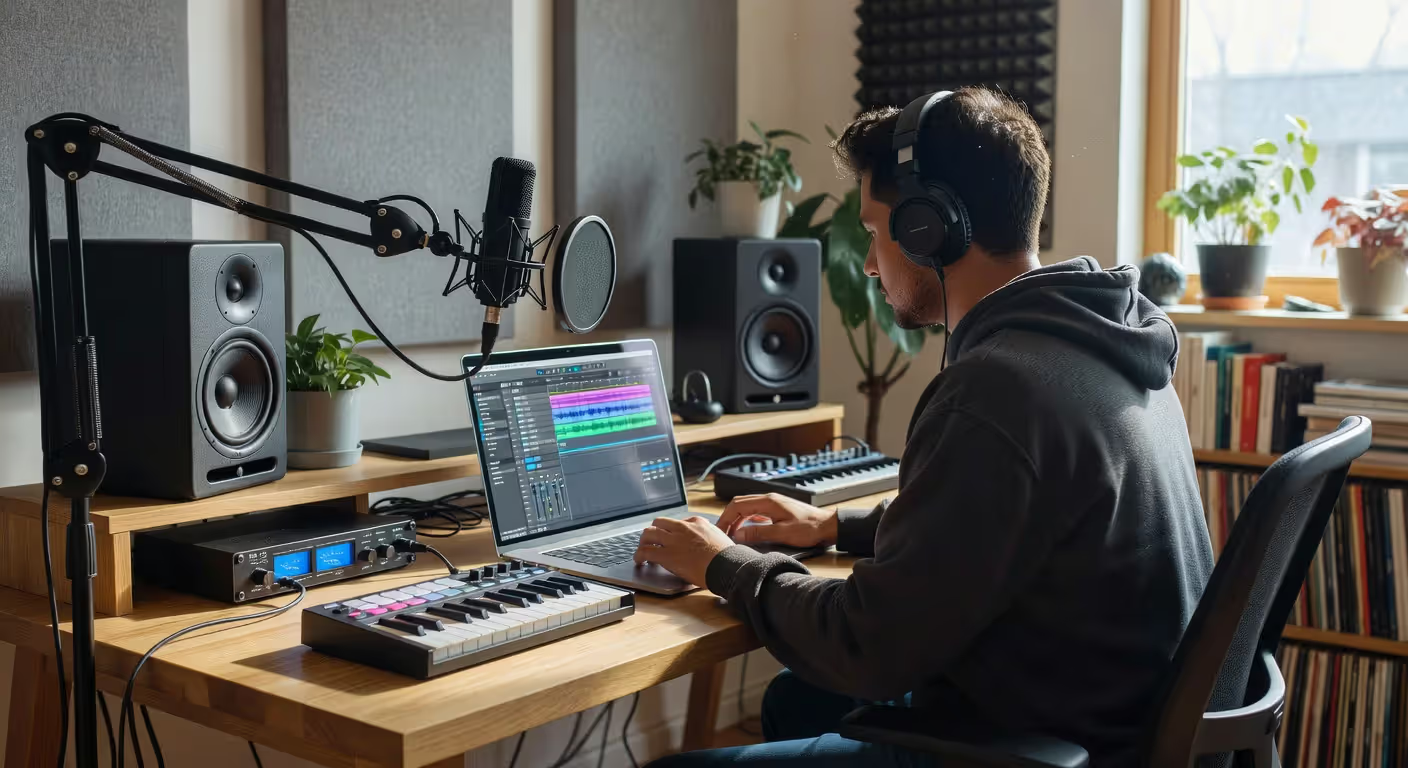
Author: Miles Arbordale;
Source: lamat-records.com
How to Build an Artist Press Kit That Gets Noticed
Building an artist press kit starts with gathering your materials. Before you touch any design tool, collect everything: photos, music files, videos, bio drafts, press quotes, and statistics. Having everything in one folder makes the process smoother.
Choose your hosting approach early. You can build a dedicated EPK website, use an EPK platform service, create a page on your existing artist website, or even use a well-organized Google Drive folder. Each has tradeoffs.
A dedicated website gives you complete control but requires maintenance. EPK platforms offer templates and hosting but may limit customization. The simpler option usually wins here—pick what you'll actually keep updated.
Design matters, but clarity matters more. Your EPK should load fast, work on phones, and make information easy to find. Use a clean layout with clear section headers. Don't make people hunt for your contact info or music samples.
Navigation should be obvious. Someone should find your music within two clicks. Your contact information should appear on every page, typically in the header or footer.
Mobile optimization isn't optional anymore. Most industry professionals will view your EPK on their phones while commuting or between meetings. Test your EPK on multiple devices before sharing it.
File organization deserves attention. If you're offering downloads, use a clear naming system: "ArtistName_PressPhoto_HighRes.jpg" beats "IMG_4732.jpg" every time. Make the booker's job easier and they'll remember you.
Update regularly. An EPK showing your last show was in 2023 signals you're not active. Even if you're between releases, you can update stats, add new photos, or refresh your show schedule.
Using Your EPK to Promote Your Music Career
Using an epk to promote yourself effectively means understanding when and how to share it. Your EPK isn't a passive portfolio—it's an active tool for opening doors.
Venue booking is the most common use. When you email a talent buyer about playing their club, your EPK link should be in that first message. They need to hear your music and see your draw immediately. The easier you make their decision, the faster you'll get booked.
Follow a simple pitch structure: brief introduction, why you're a fit for their venue, your EPK link, and a specific ask (available dates, opening slot interest, etc.). Keep the email under 150 words.
Booking agents and managers receive hundreds of submissions. Your EPK needs to immediately demonstrate you're serious and ready. They're looking for proof of traction: ticket sales, streaming numbers, press coverage, and a professional presentation.
Media outlets need different angles. When pitching journalists or bloggers, your EPK provides the background information they need to write about you. Include your press photos and bio in formats they can use directly. Many writers work on tight deadlines—make their job effortless.
Festival submissions almost always require an EPK. Festival organizers compare dozens of acts, and your EPK is your audition. Highlight any festival experience you already have and emphasize your live show strengths.
Sponsorship pitches benefit from EPKs that include audience demographics and engagement metrics. Brands want to know who follows you and how actively they engage. Add this data to your EPK if you're pursuing partnerships.
Timing matters. Send your EPK when you have something new to share: a release, a tour announcement, or notable press coverage. Cold outreach works better when there's a reason to pay attention now.
Follow-up appropriately. If you don't hear back in a week, one polite follow-up is fine. More than that becomes spam. Sometimes silence means no.
Author: Miles Arbordale;
Source: lamat-records.com
Common Mistakes Artists Make With Press Materials
Outdated information kills credibility fast. An EPK listing shows from two years ago or a bio mentioning your "upcoming" album that released 18 months back tells bookers you're not on top of your career.
Poor quality media is the second biggest mistake. Pixelated photos, low-bitrate audio files, and shaky concert footage make you look amateur. Industry professionals assume your EPK quality reflects your professionalism overall.
Missing contact details seems obvious, but it happens constantly. Your EPK should have multiple contact options: email, phone, and social media handles. If you have management or a booking agent, include their information prominently.
Overly long bios lose readers. Nobody's reading your 1,000-word life story. Cut everything that doesn't directly support why someone should book you, write about you, or work with you. Save the poetry for your lyrics.
Unprofessional presentation includes broken links, typos, cluttered layouts, and auto-playing music. Test every link monthly. Proofread everything. Design for clarity, not flash.
Too much information overwhelms. You don't need 15 photos and 20 songs. Curate your strongest materials. Quality over quantity applies to every EPK element.
Generic content fails to differentiate. If your bio could describe 50 other artists in your genre, rewrite it. What makes you specifically worth booking?
Ignoring the technical details causes problems. File formats matter—use MP3 for audio (320kbps), JPG for photos, and MP4 for video. PDFs work for one-sheets but shouldn't be your entire EPK.
No call to action leaves people unsure what to do next. End your EPK with clear next steps: "Contact us to book a show," "Download press materials here," or "Listen to our latest release."
EPK Platforms and Tools for Musicians
Choosing between DIY and platform-based EPKs depends on your budget, technical skills, and customization needs. Both approaches work—the best choice matches your specific situation.
Platform services offer templates and hosting that get you online quickly. They handle the technical side while you focus on content. Most include analytics showing who viewed your EPK and which sections they visited.
Here's how the major options compare:
| Platform | Monthly Cost | Customization | Storage | Analytics | Best For |
| Bandzoogle | $10-$20 | High | Unlimited | Yes | Artists wanting full websites |
| Sonicbids | $10-$15 | Medium | 100MB-1GB | Yes | Festival submissions |
| ReverbNation | Free-$20 | Low | Limited | Basic | Budget-conscious beginners |
| WordPress + Plugins | $5-$15 | Very High | Varies | With plugins | Tech-comfortable artists |
| Squarespace | $16-$26 | Medium | Unlimited | Yes | Design-focused artists |
Bandzoogle specifically serves musicians and includes EPK templates, music players, and commission-free sales tools. It's purpose-built for what you need.
Sonicbids connects directly to festival and venue submission systems. If you're applying to lots of opportunities through their network, the platform makes sense despite the cost.
ReverbNation's free tier works for starting out, but the limitations become frustrating as you grow. You'll likely outgrow it within a year.
WordPress offers maximum flexibility if you're comfortable with website building. Themes like Sonaar or Cesis provide music-specific features. Hosting costs stay low, but you handle updates and maintenance.
Squarespace balances beautiful templates with ease of use. It's not music-specific, but it works well for EPKs and looks professional. The cost is higher but includes everything.
DIY options include creating a dedicated page on your existing website or using Google Drive with a shared folder. The Google Drive approach costs nothing and works surprisingly well—create a document with your bio and links, add a folder of photos and music, and share the folder link. It's not fancy, but it's functional.
A professional EPK is your foot in the door. I review hundreds of artist submissions monthly, and the difference between a polished EPK and a hastily thrown-together one is immediately obvious. The artists who get booked aren't always the most talented—they're the ones who make my job easiest by providing everything I need in a clear, accessible format.
— Martinez Sarah
Consider what you actually need before paying for features you won't use. If you're just starting and applying to local venues, a simple one-page website or organized Google Drive folder works fine. As you grow and pursue bigger opportunities, upgrade to a more polished solution.
Integration matters too. Can the platform embed your Spotify player? Does it connect to your social media? Can people subscribe to your mailing list directly from your EPK? These connections make your EPK work harder for you.
FAQ: Electronic Press Kit Questions Answered
Your EPK represents you when you can't be there in person. It's working for you every time someone clicks that link, whether you're asleep, on stage, or working your day job. Build it well, keep it current, and use it strategically. The artists who treat their EPK as a priority tool rather than an afterthought consistently land better opportunities. Start with the basics, improve as you grow, and remember that a functional EPK today beats a perfect one you never finish.
Related Stories

Read more
Read more

The content on this website is provided for general informational and educational purposes only. It is intended to explain concepts related to music production, recording, mixing, mastering, music industry roles, and distribution.
All information on this website, including articles, guides, and examples, is presented for general educational purposes. Results and success in music production may vary depending on skill level, equipment, and effort.
This website does not provide professional music production services or guarantees of commercial success, and the information presented should not be used as a substitute for consultation with qualified music producers, audio engineers, or music industry professionals.
The website and its authors are not responsible for any errors or omissions, or for any outcomes resulting from decisions made based on the information provided on this website.